
Tourism in the headlines
Four newspaper headlines from 2017 and 2018 show what tourism can do to a place.
- 'Thailand bay made famous by The Beach closed indefinitely' (The Guardian, October 2018)
- 'Has tourism killed Venice? We visited during the busiest month of the year to find out' (The Telegraph, August 2018)
- 'Why Barcelona locals really hate tourists' (The Independent, August 2017)
- 'Bali considering new rules to clamp down on tourists' offensive behaviour' (news.com.au, September 2018)
Each of these places earns large sums from visitors. Each is also dealing with damage to its environment, anger among residents, or clashes between visitors and local customs. That tension sits at the centre of tourism geography. Tourism can bring jobs, roads, airports and tax income to a country quickly. The same visitors can also wear out the landscape and culture that attracted them in the first place.
Travel away from home for leisure, such as relaxing, sightseeing or exploring other places and cultures. Some definitions count only trips that include an overnight stay, so a day trip is not always classed as tourism.
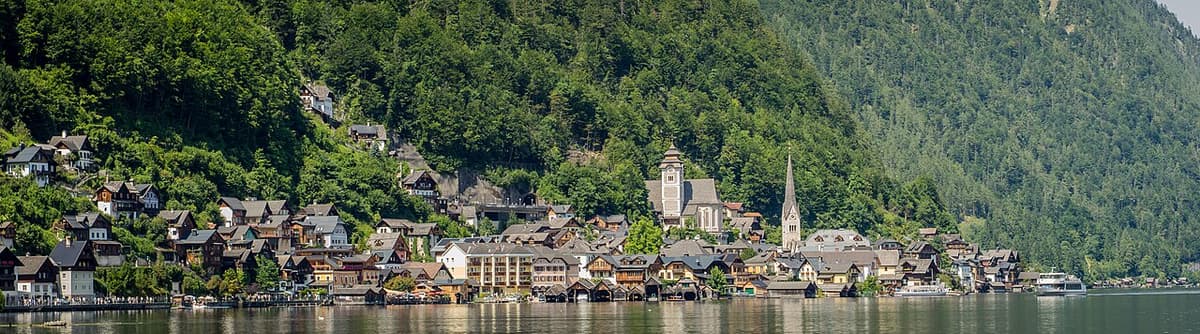
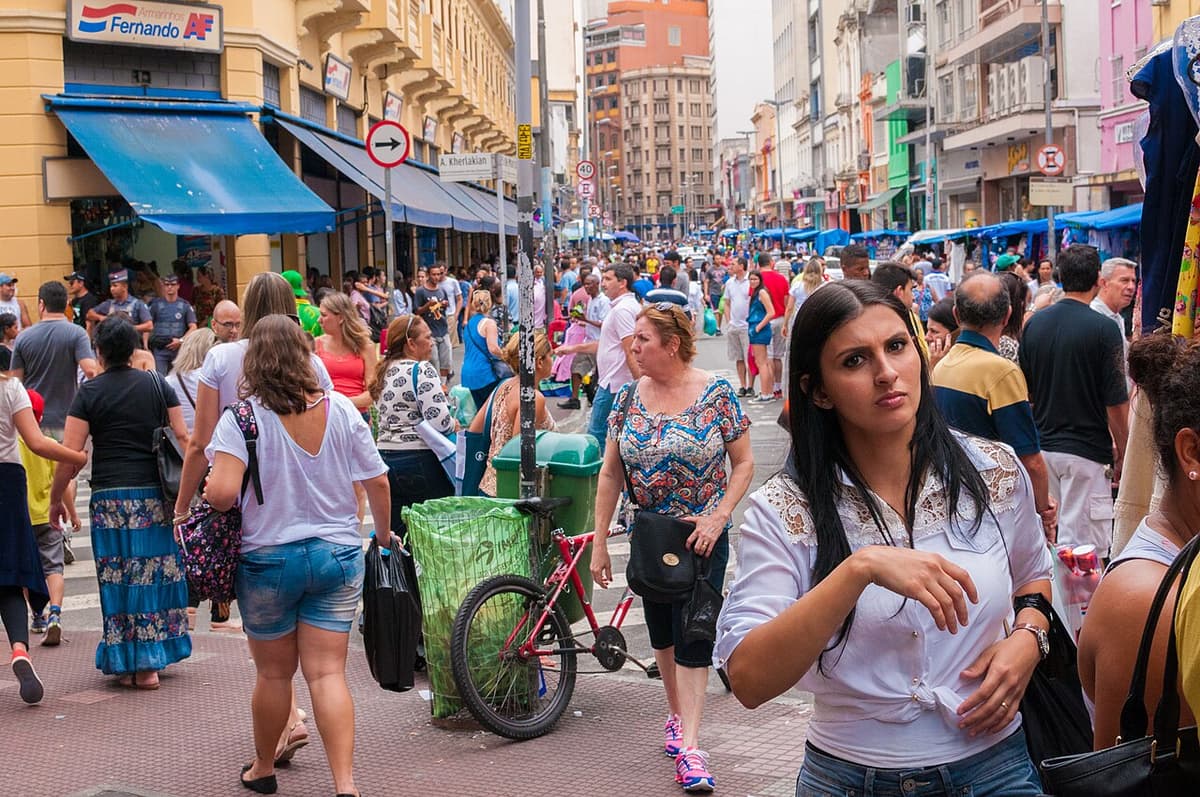
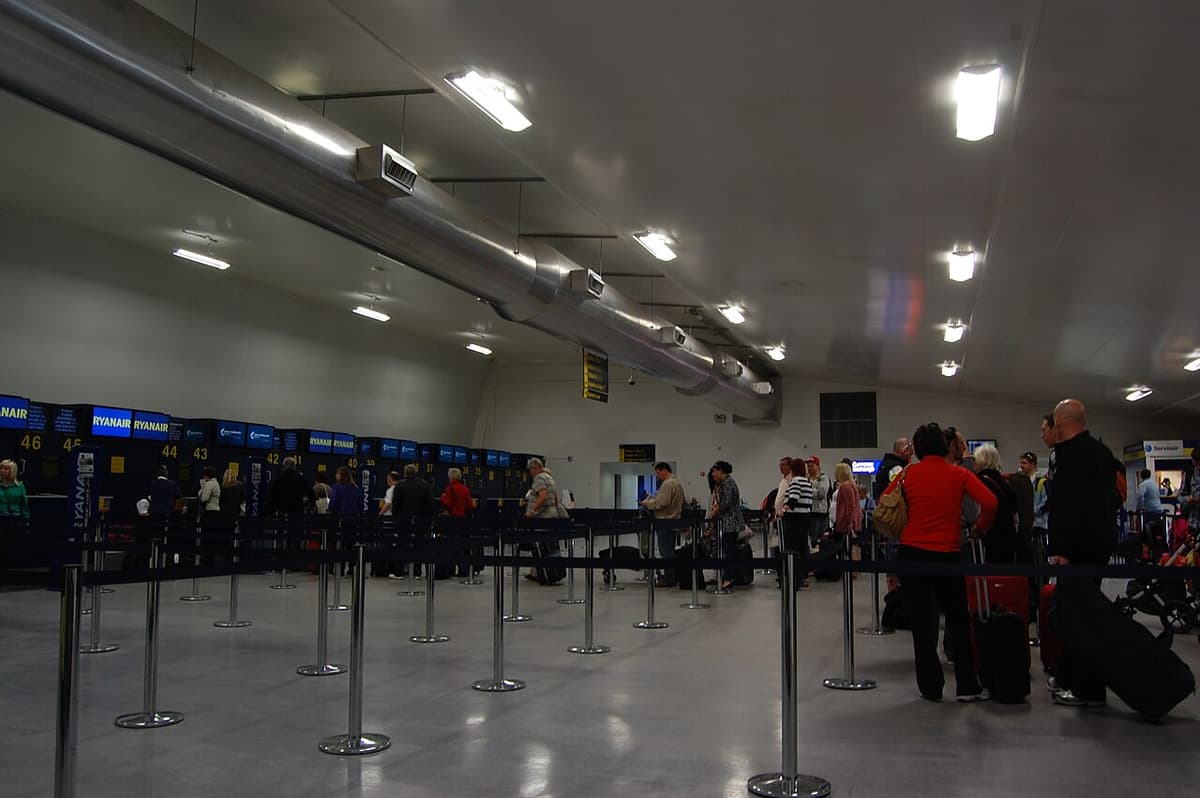
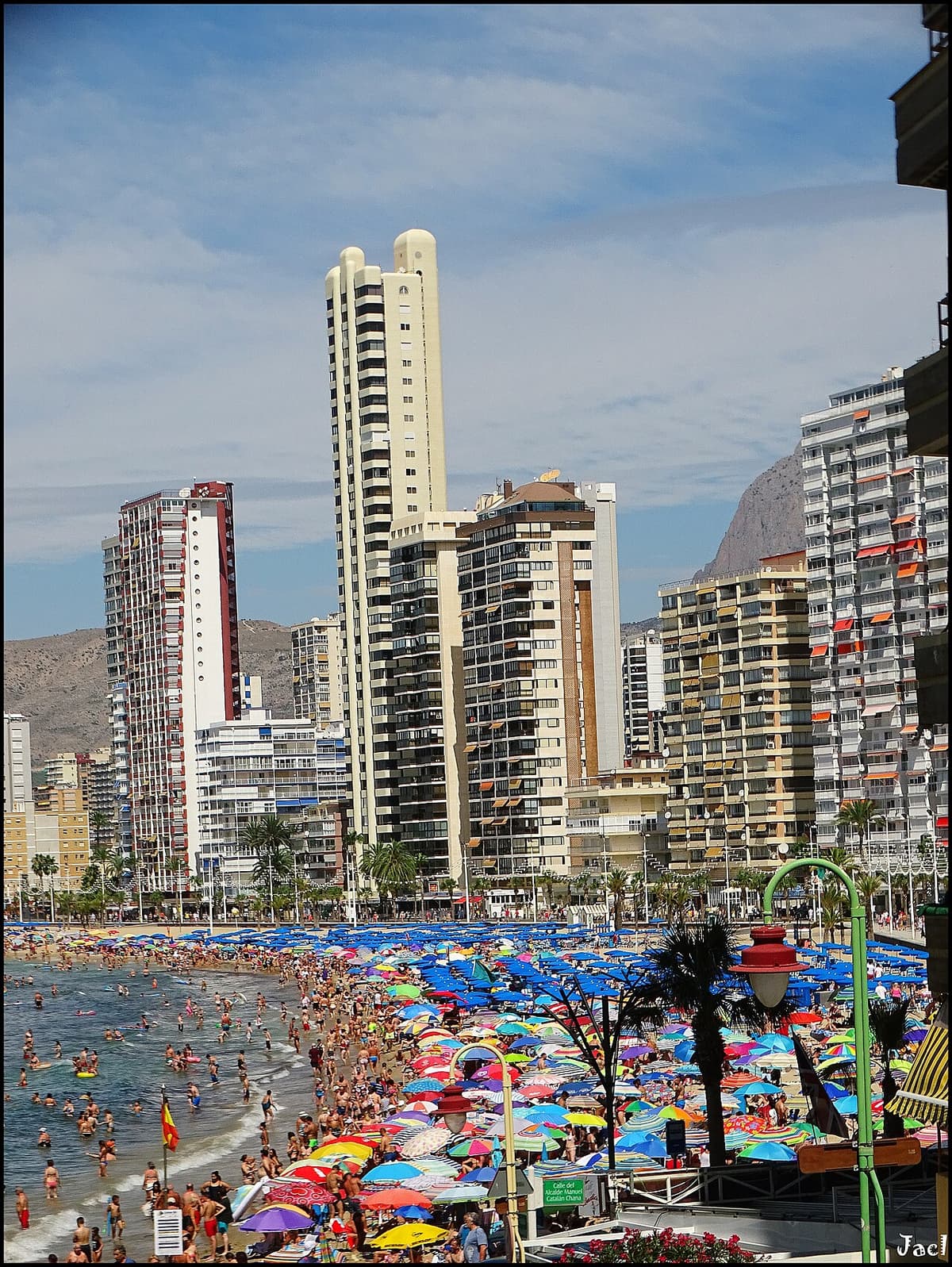
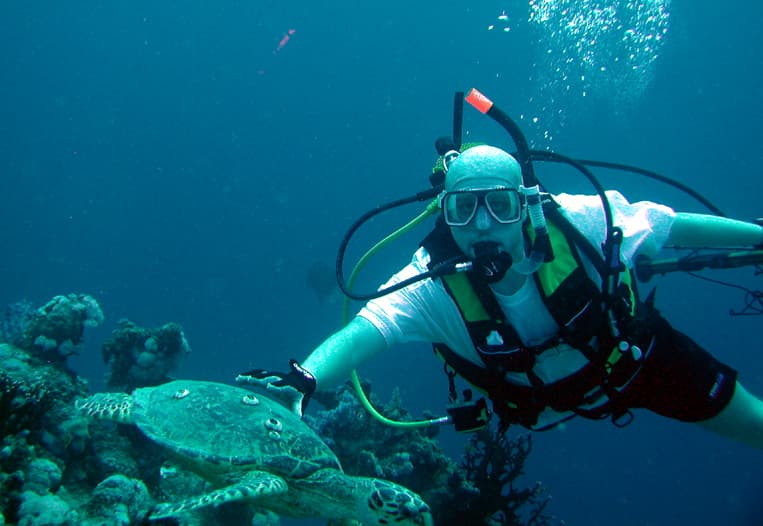
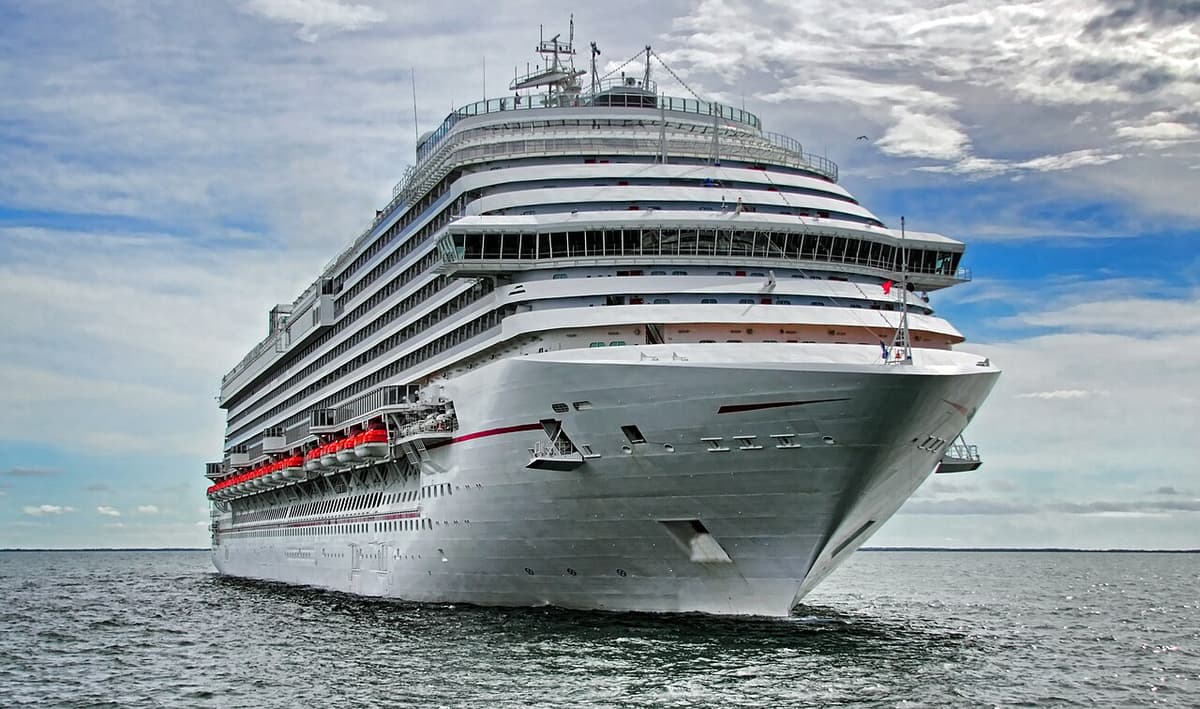
Tourism takes many forms. A weekend in a Lake District village, a shopping trip to Oxford Street in London, a crowded Spanish beach below high-rise hotels, a cruise, and a dive beside sea turtles over a coral reef all count. For every form, geographers ask three linked questions. How and why has tourism changed? What impacts does it have on the economy, environment and people of a destination? Can those impacts be managed so that tourism supports development over the long term?
9 more sections in this topic
Pick this up in your Library: it holds the whole topic, notes, cheatsheet and questions.