
A country's rulebook
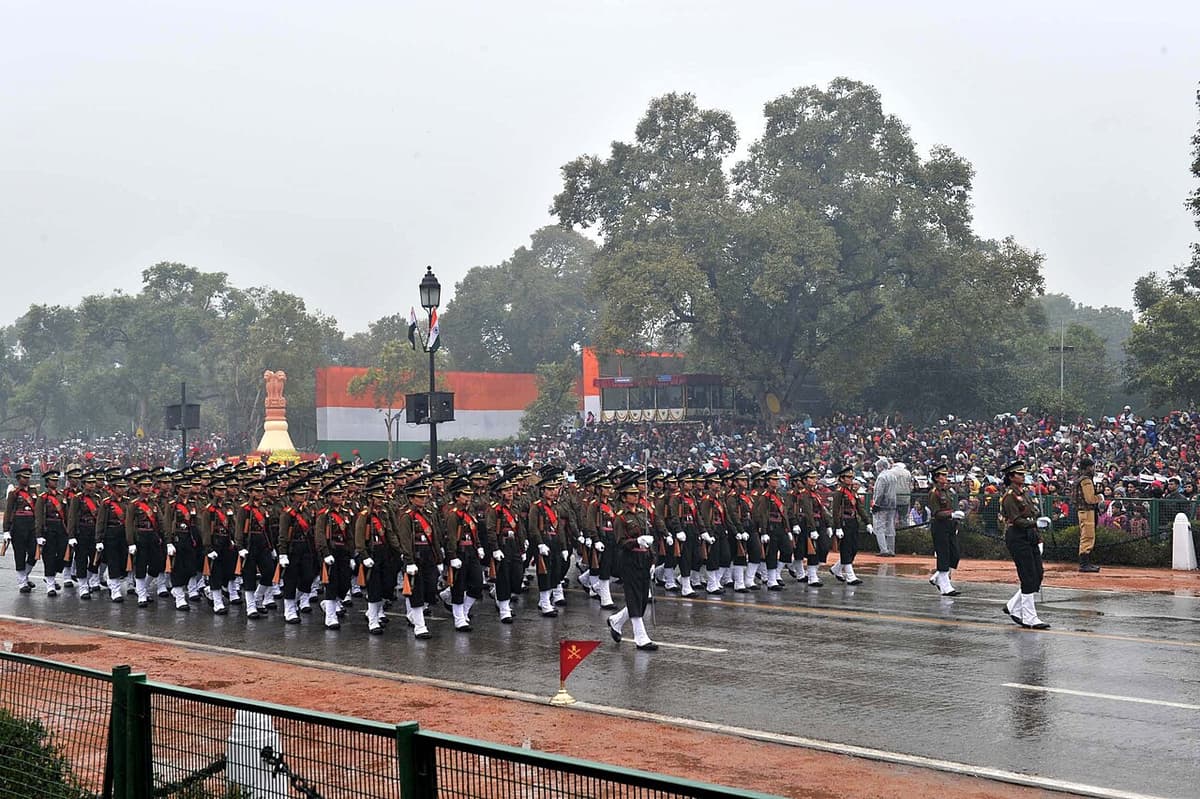
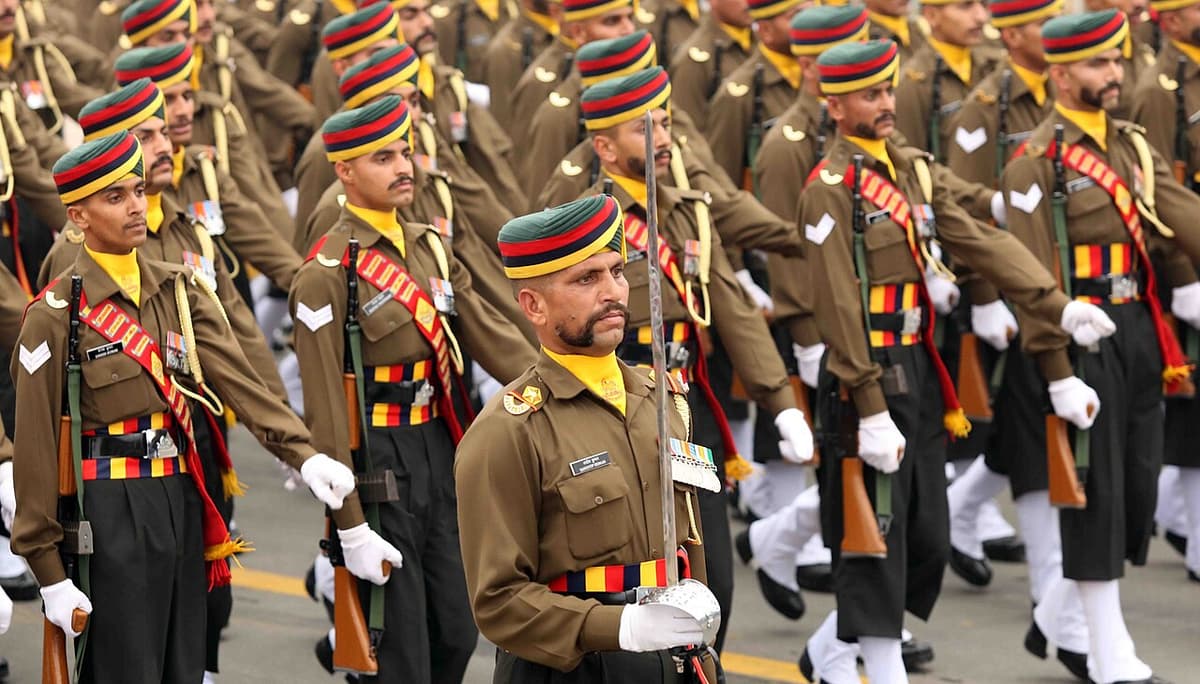
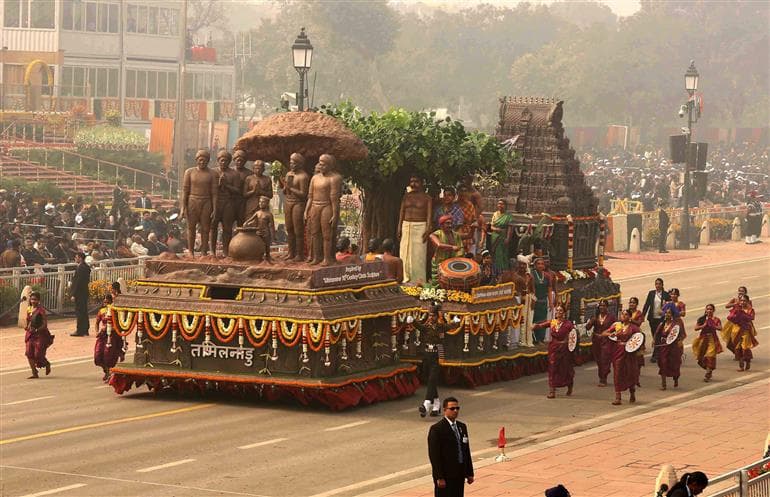
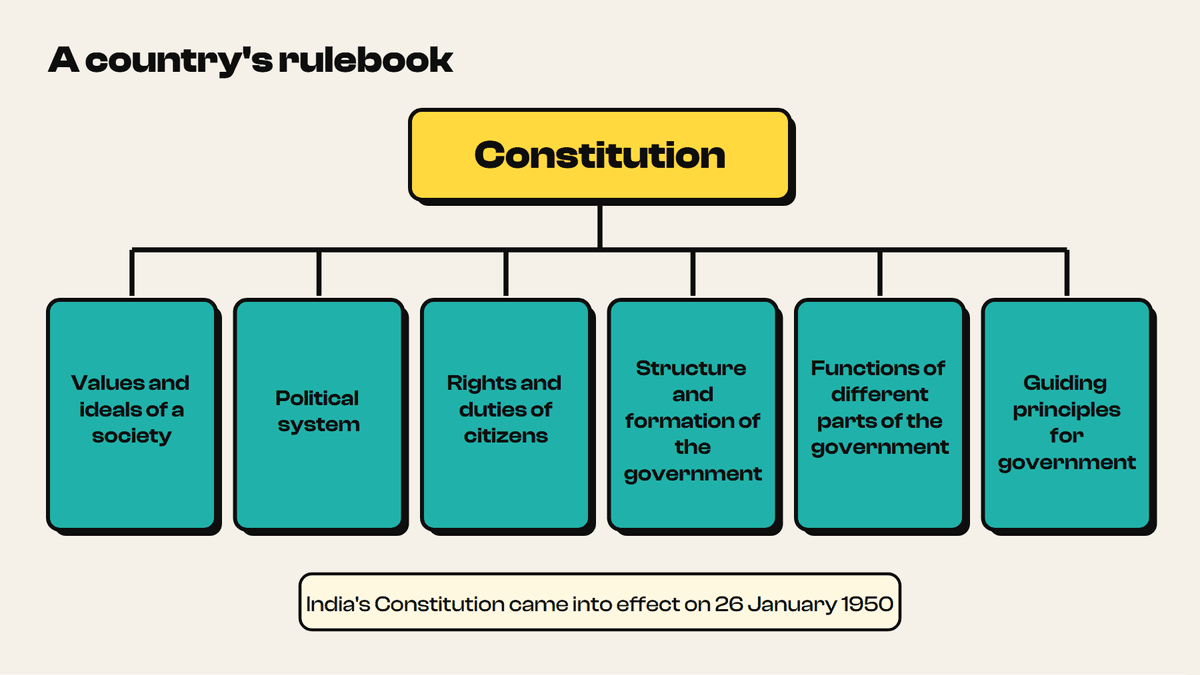
Every year on 26 January, India holds a parade along Kartavya Path in New Delhi. Marching bands, contingents and colourful floats from the states pass the crowds, the tricolour is unfurled, and families across the country watch on television. The date matters because the Constitution of India came into effect on 26 January 1950. That is why the day is called Republic Day.
The original Hindi and English copies of the Constitution are still kept safe in the Parliament Library, inside sealed glass cases filled with nitrogen.
An inert gas, one that does not react with paper or ink, so surrounding the original pages with it helps preserve them over time.
The country's most senior office holders promise to respect this book. The President swears an oath to preserve, protect and defend it. The Prime Minister, the council of ministers and judges promise to follow what it lays down.
A document that sets out a nation's basic principles and laws, including how its government is formed and works, the rights and duties of its citizens, and the country's long-term goals.
A constitution works much like the rulebook of a sport. In a tense final, two teams may disagree about whether a player was out.
If both sides have already accepted one official rulebook, the referee and the captains can check it together and settle the matter peacefully.
A country needs the same thing on a far larger scale, one agreed set of rules that everyone, including the people in power, turns to when there is a dispute.
Most constitutions contain a similar set of things. They state the values and ideals a society is committed to, such as equality, justice for everyone, fraternity, pluralism and freedom. They describe the political system and how the government is formed, they list the rights and duties of citizens, and they give guiding principles for the government. The values matter most of all, because the laws and principles of a constitution are usually built on them. How the organs of government actually work day to day belongs to the lesson on structure of government.
The Constitution of India is the largest written constitution in the world. It is organised a little like a textbook, in parts with sections inside them, plus schedules. In 1950 it had 22 parts and 8 schedules. Today it has 25 parts and 12 schedules, a growth that hints at how much has been added since.
9 more sections in this topic
Pick this up in your Library: it holds the whole topic, notes, cheatsheet and questions.