
Politics and governance
Every society needs some way of deciding who makes the rules, who enforces them and who gets a say. The word politics comes from Greek and refers to the systems of governance used to run a society. Studying politics means asking how power is spread through a society, and how and why people end up being governed in a particular way.
The study of the systems of governance that run a society, and of how power is distributed within it.
The group or system that holds the authority to run a society, usually a country.
Societies around the world are not all run the same way. Three broad systems appear again and again, and each one places power in different hands:
- Monarchy, where power belongs to one person because of the family they were born into.
- Democracy, where power belongs to the people, who usually exercise it by voting.
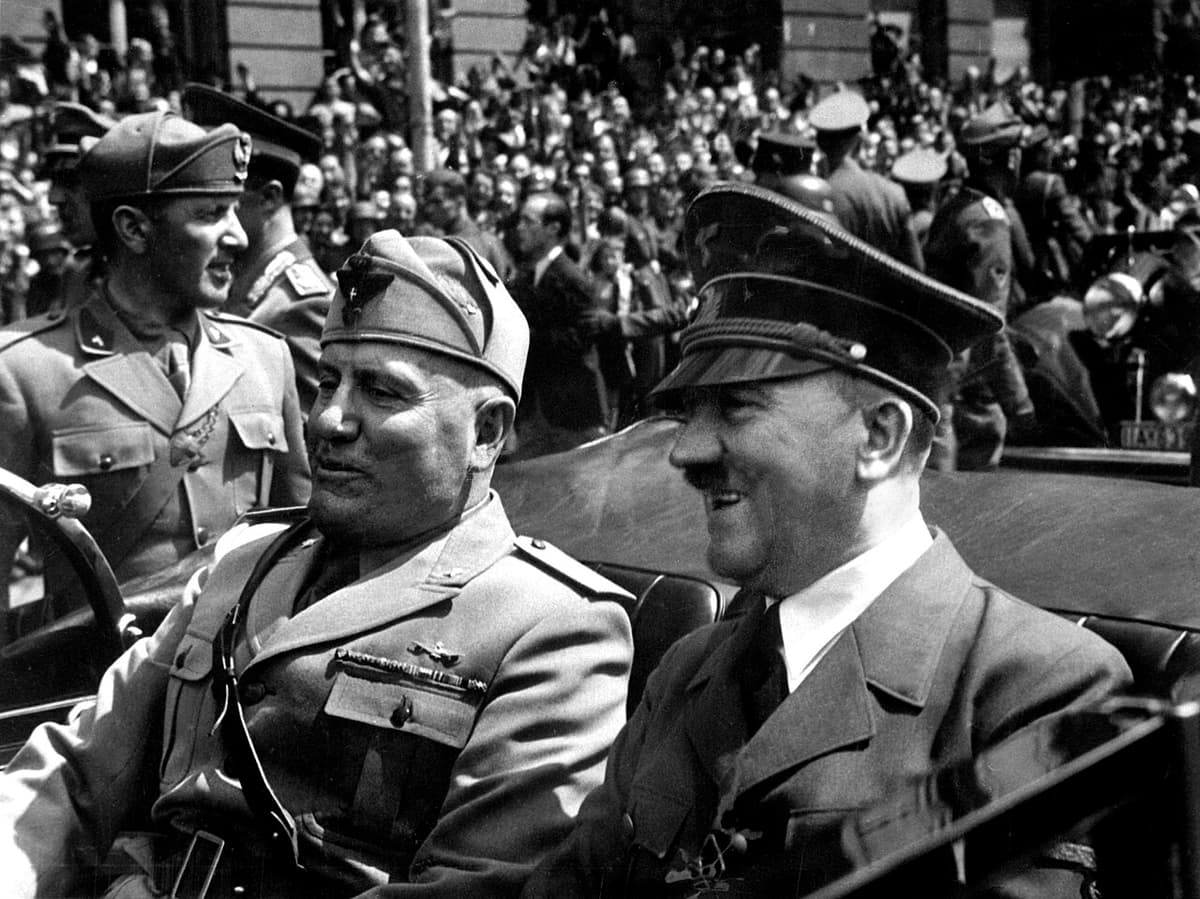
- Dictatorship, where power is held by one ruler or a small group, and in its most extreme form (totalitarianism) the state controls almost every part of life.
It helps to picture these as points along a line. At one end, power is shared widely among citizens. At the other, it is gathered into very few hands. Where a country sits on that line affects how fair life is for its people and how the country develops.

The three labels are not always neat boxes. A constitutional monarchy such as the UK or Japan keeps a king, queen or emperor, yet its government is chosen through elections, so it is a democracy as well.
Students often assume that any country with a monarch cannot be a democracy. Most of today's monarchies are constitutional, which means elected politicians run the country while the monarch plays a mostly ceremonial part.
9 more sections in this topic
Pick this up in your Library: it holds the whole topic, notes, cheatsheet and questions.