
Technology in daily life
For many people around the world, technology sits at the centre of ordinary life. A smartphone shows the time and the latest messages, a satellite navigation screen plots the route to a new address, a fitness wristband tracks heart rate and distance, and a television or virtual-reality headset fills free time. These devices keep people connected. They also reshape habits, the way people spend their days and the way they treat one another.
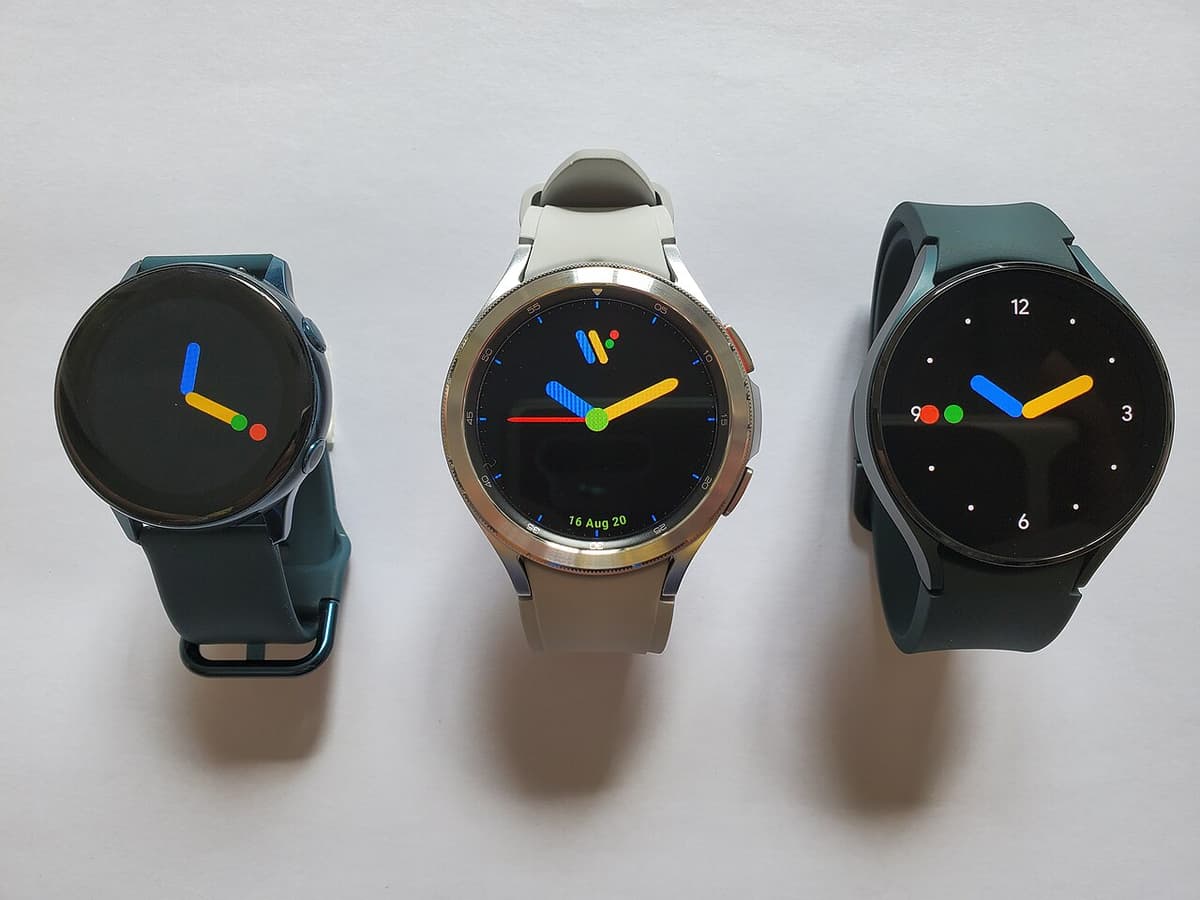
Three photographs taken decades apart show how much the relationship between people and screens has shifted:
- In the 1950s, a family gathers in one room. The father reads a newspaper in his armchair while the children sit on the floor in front of a wooden-cabinet television.
- In 1982, a boy in the UK plays Ms. Pac-Man on a machine in an arcade.
- Today, three commuters sit side by side on a train, each looking down at their own smartphone.
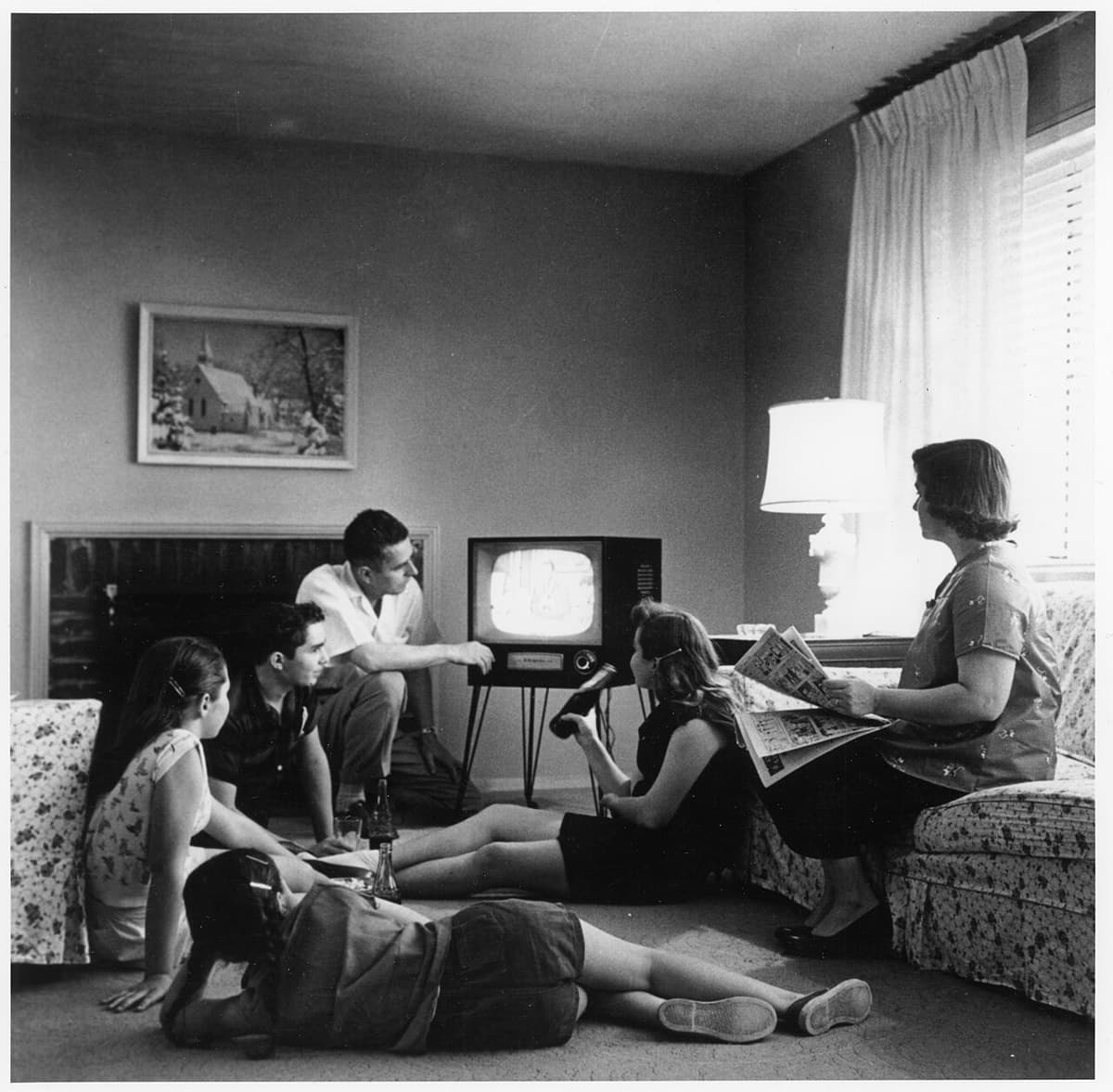

In every picture people are focused on a screen, but the relationships around that screen differ. The 1950s family shares one set in one room. The commuters are sitting together, yet each is in a separate digital space.
Statement of inquiry: technological innovations affect our identities and relationships with others in differing ways.
A new idea, method or invention, or a new way of using an existing one, that changes how people do things.
To do with right and wrong. An ethical question about technology asks whether a particular use of it is fair, harmful or morally acceptable.
Your identity is how you see yourself and how others see you. Technology shapes it in small ways, such as the games you play, the programmes you talk about and the pictures you share online. It also shapes it in large ways, such as the kind of work people do and how they keep in touch with family and friends.
Breakthroughs and resistance to innovation
Technological change has been an almost constant part of human history. Since prehistoric times people have tried to improve their tools and machines so they can live more effectively and be more creative. That urge to innovate has pushed societies forward again and again, and many different civilizations have contributed to it.
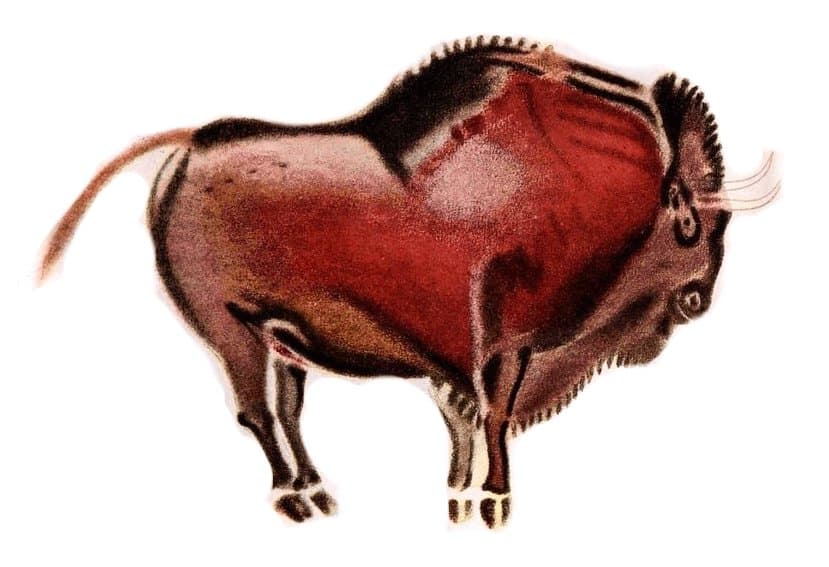

- Stone Age tools. Early people developed bows and arrows, spears and axes, as well as several styles of cave painting. A painting of a bison-like animal in the Cave of Altamira, near Santillana del Mar in northern Spain, dates from roughly 12,800 to 11,100 BCE.
- Roman public health. Advances in public health in ancient Rome raised living standards. Roman engineering also produced huge stone aqueducts, such as the Pont du Gard in France, built around 50 CE.
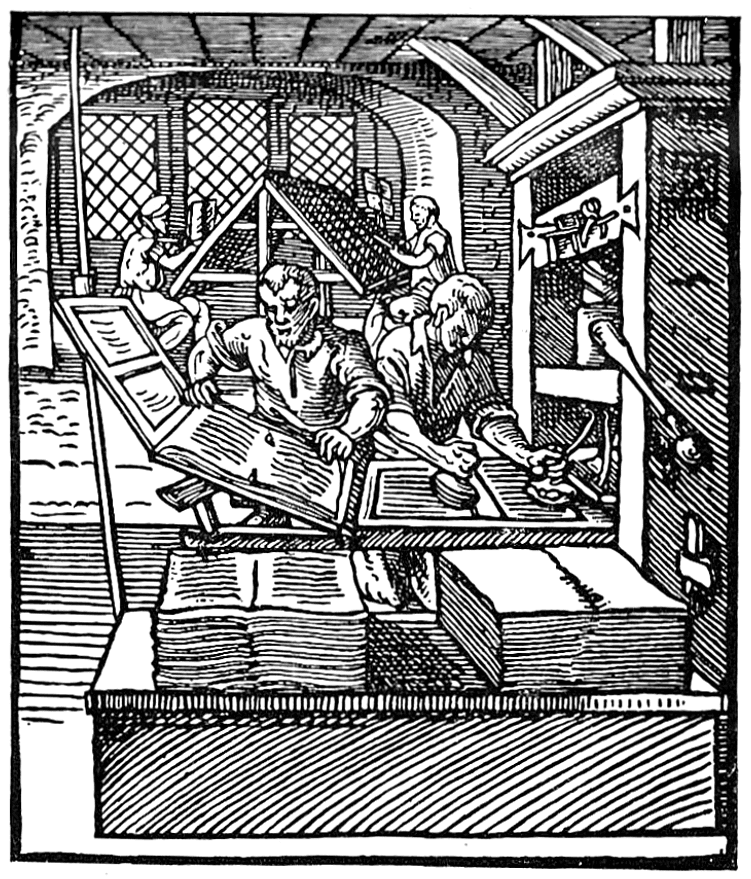
- The printing press. During the Renaissance, printing made books much easier to obtain, and access to them spread across the world.
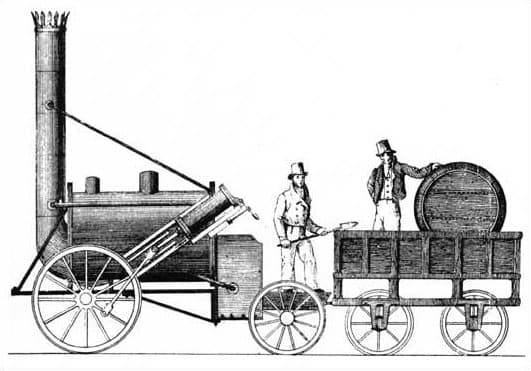
- The steam engine. In the nineteenth-century Industrial Revolution, steam power transformed transport and industry. Stephenson's Rocket is a famous early steam locomotive.
New inventions are not always welcomed. From the first trains to the first telephones, many people met new technology with suspicion or fear. A major reason is that an innovation challenges the status quo.
The existing state of affairs, meaning the way things are usually done at a particular time.
Changing familiar routines can feel threatening, and it is hard to imagine how a new device will fit into life before people have used it. In 1946 Darryl Zanuck, a co-founder of the film company 20th Century Fox, predicted that television would lose its market within six months, because people would soon get tired of "staring at a plywood box every night". He was completely wrong. Some technologies outlast their critics and change daily life for good.
Judging a technology only by how people first reacted to it. Early reactions show what people feared or hoped for at the time. To judge long-term impact, look at what happened over the following decades.
The effects of a new technology can be sorted into categories, which makes them easier to compare:
- Social: how people live, spend their time and relate to each other
- Economic: money, jobs, trade and what people buy
- Political: power, government, elections and how citizens take part
- Cultural: the arts, entertainment and shared ways of life
- Ethical: questions of right and wrong that the technology raises
- Environmental: effects on the natural world
A single technology usually has effects in several categories at once, and the same effect can help one group while harming another.
9 more sections in this topic
Pick this up in your Library: it holds the whole topic, notes, cheatsheet and questions.