
Belief and world religions
Every human society has wrestled with big questions about why we exist, how the universe began and how people ought to live. Over thousands of years, attempts to answer them have produced many belief systems, and each one guides its followers in its own way.
Something a person holds strongly to be true.
Belief matters for identity because it reaches into ordinary daily choices. More than 80 per cent of the world's population follows a religion, and religions offer teachings on how to live. Those teachings can decide what a person wears, what they eat, and the rituals and routines of prayer that shape their day.


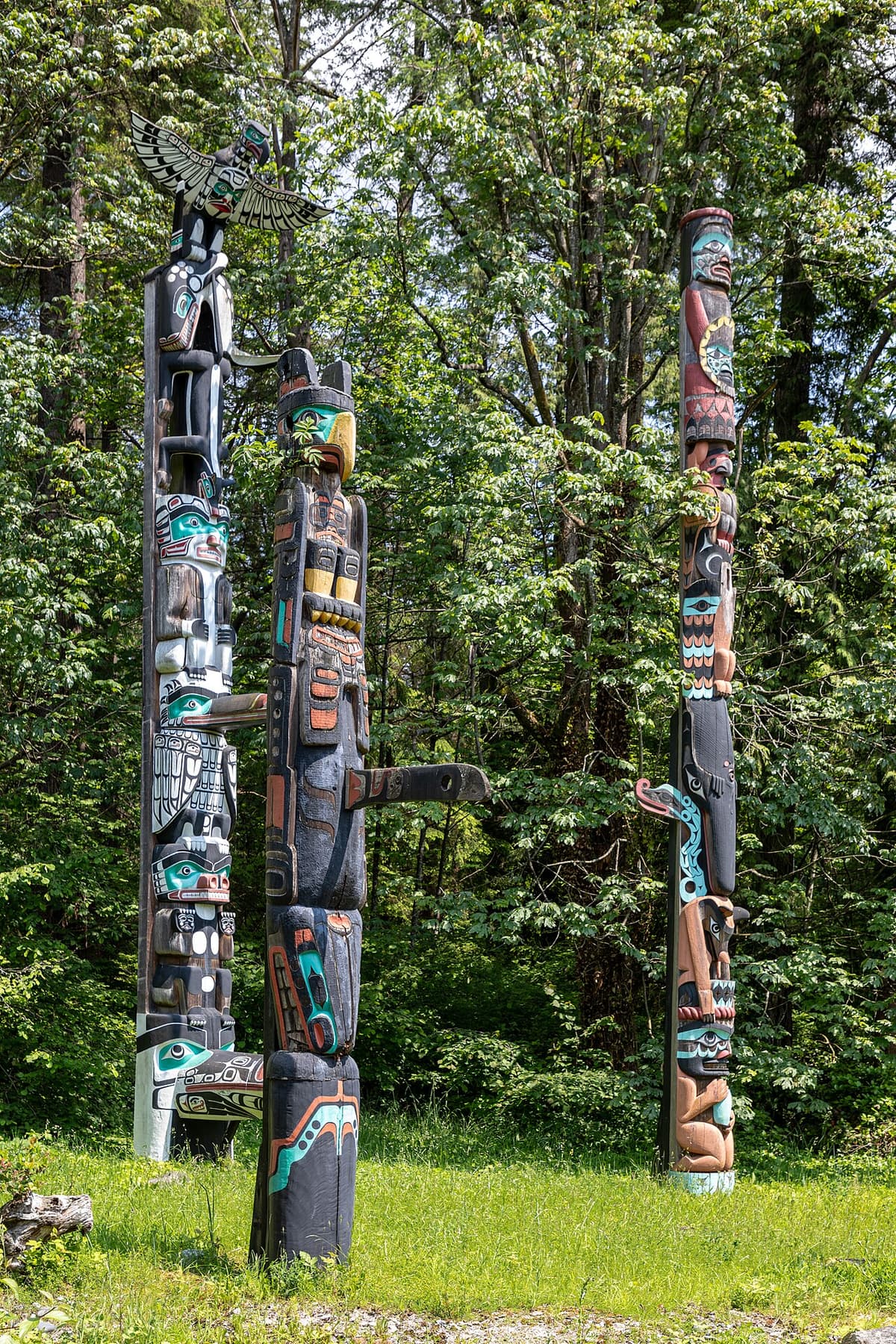
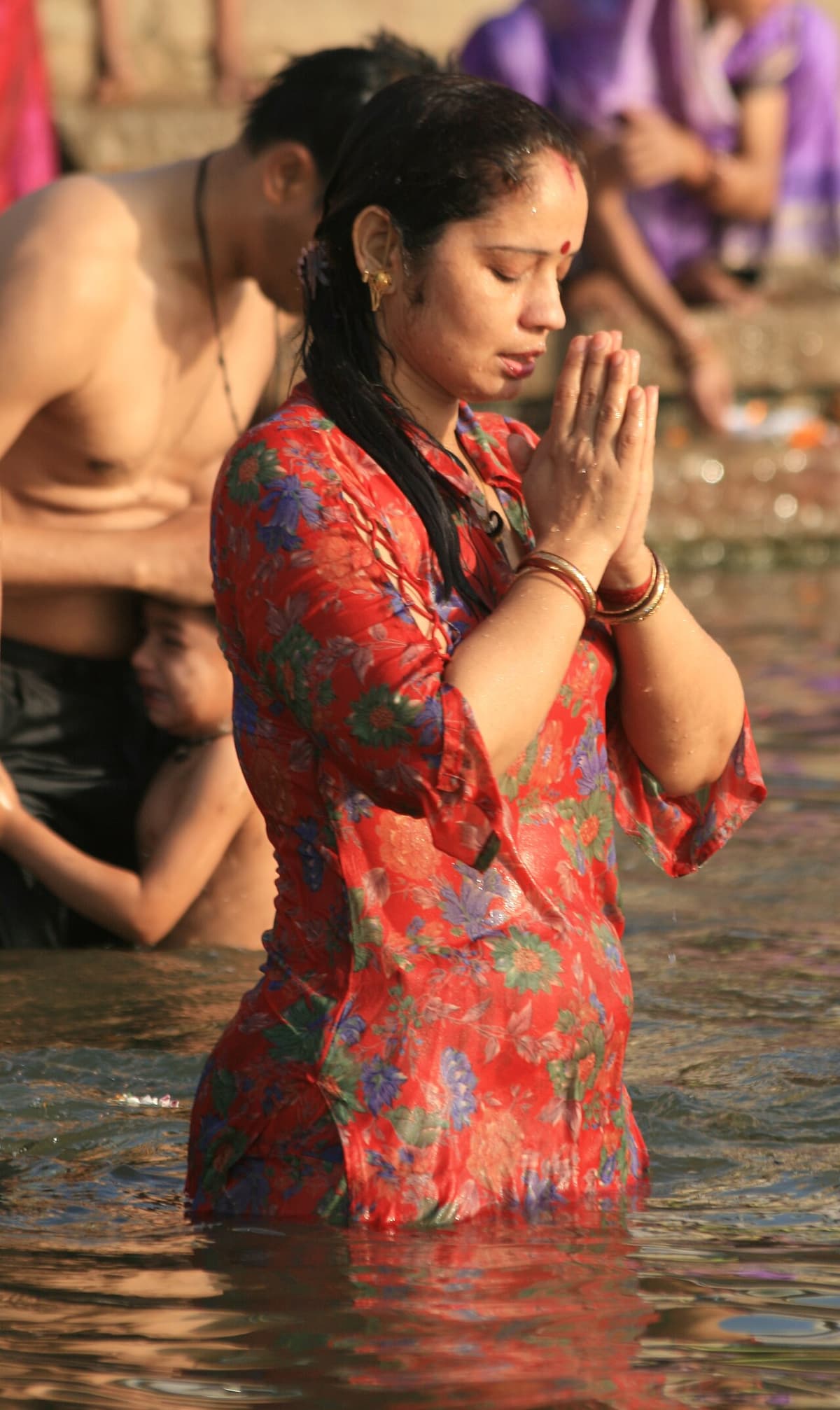
Religion usually involves believing in something that cannot be proven. Religions also disagree about how many gods there are, or whether any god exists at all.
A belief about whether a god exists, and in what form.
- Monotheism is belief in, and worship of, one God.
- Polytheism is belief in, and worship of, more than one god.
- Pantheism is belief in a supreme god who is part of everything.
- Atheism is the belief that there is no god.
Five major world religions are compared below.
| Religion | Origins | Followers (approx.) | Core beliefs | Practices |
|---|---|---|---|---|
| Buddhism | Siddhartha Gautama (the Buddha), Indian subcontinent, BCE | 488 million | Four Noble Truths, Eightfold Path, nirvana | Meditation, generosity, compassion |
| Christianity | Jesus Christ, around 30 CE, in what is now Israel | 2 billion | One God, Jesus as God's son who saves people from sin | Prayer, church worship, Easter and Christmas, Sunday rest |
| Hinduism | Indian subcontinent, one of the earliest religions | 900 million | Samsara, the Trimurti | Yoga, worship, pilgrimage, many vegetarian, nearly all avoid beef |
| Islam | Prophet Muhammad, Arabian peninsula, 7th century CE | 1.3 billion | One God (Allah), Muhammad as God's messenger, Five Pillars | Prayer five times a day, mosque worship, halal food, no pork or alcohol |
| Judaism | Covenant between God and Abraham | 14 million | One God (Yahweh), ethical living, covenants in the Torah | Synagogue worship, Shabbat, kosher food |
Christianity, Islam and Judaism are all monotheistic. Hinduism has many deities but also a supreme God, Brahman, who is part of everything. Buddhism centres on the path to enlightenment (nirvana) set out by Siddhartha Gautama.
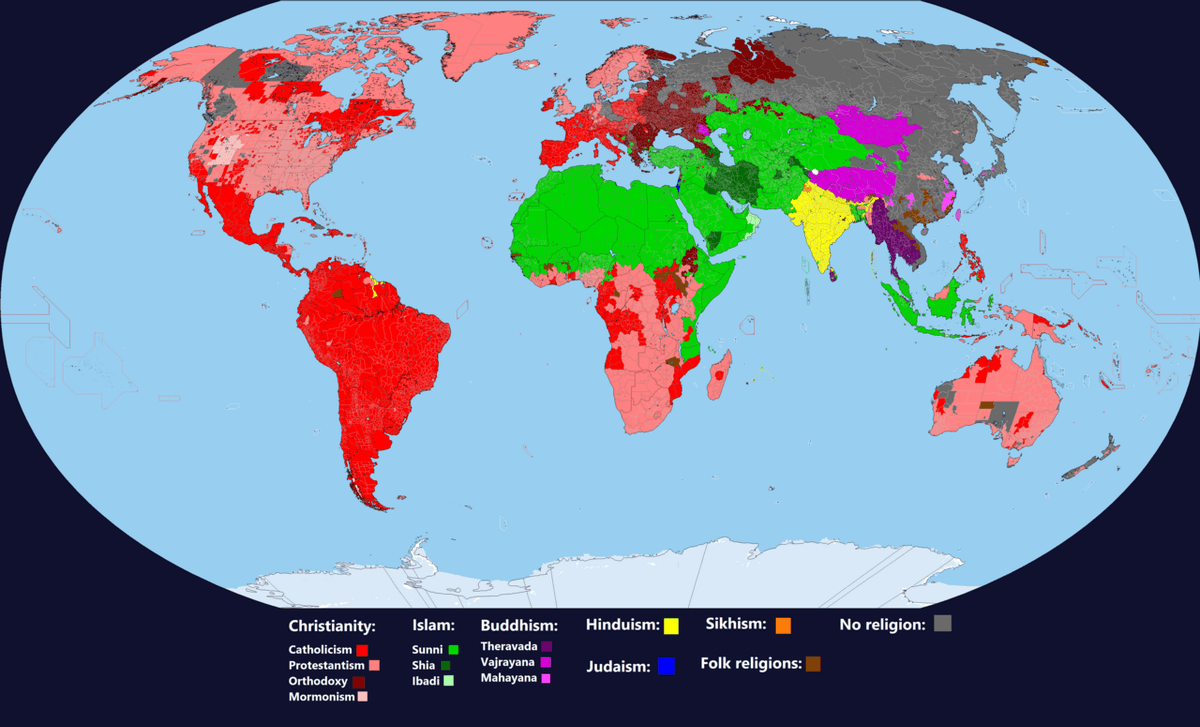
The map shows how unevenly religions are spread. The Americas and Australia are largely Christian, Russia is mostly Eastern Orthodox, North Africa and the Middle East are mostly Sunni Muslim with a Shia majority in Iran, India is mainly Hindu and Japan follows a mix of Shinto and Buddhism. Much of sub-Saharan Africa combines traditional and tribal beliefs with Christianity and Islam.
Treating each religion as one single, identical group. The map key splits Christianity into three branches and Islam into two, and every major religion has internal divisions over how its teachings should be understood.
Many other religions exist beyond these five, including Shinto, Sikhism, Jainism and Daoism.
9 more sections in this topic
Pick this up in your Library: it holds the whole topic, notes, cheatsheet and questions.