
Culture on display
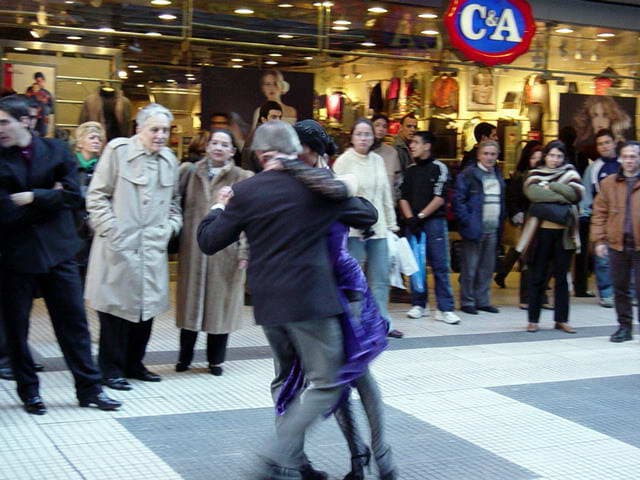
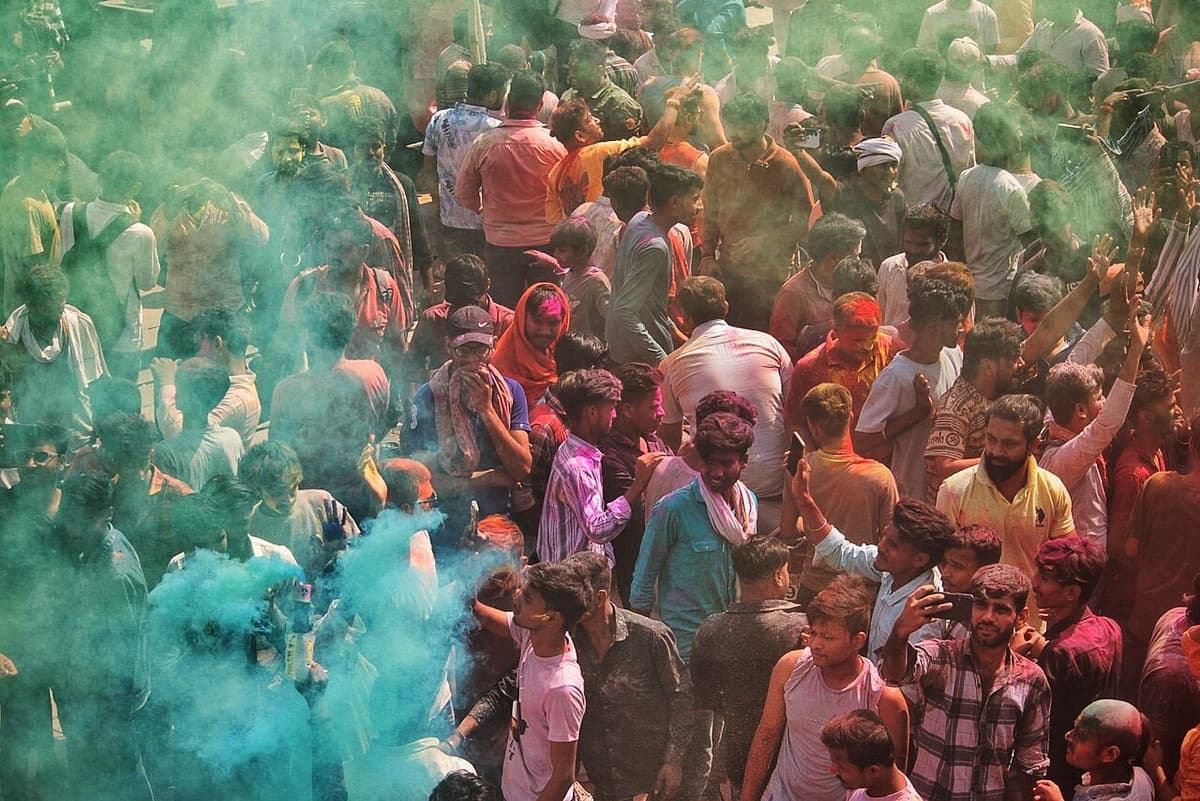
Picture a couple dancing the tango on a tree-lined street in Buenos Aires, Argentina, while people sit and watch. Now picture a crowd at the Holi festival in India, faces and white clothes smeared with pink, yellow and green powder, drums and a tambourine keeping the beat. Neither scene needs any words. The movement, music, colour and clothing already tell an onlooker a great deal about the people taking part and what they share.
The way people express themselves often mirrors their cultural identity. Some expressions are easy to spot, such as the clothes people wear or the songs they sing. Others are quieter. The attitudes and beliefs people bring to different situations also carry culture, and these usually come from the environment they live in and the way they were brought up. What culture is, and the difference between its visible and hidden parts, are covered in the lesson on what culture is.
Looking closely at expression matters because each form acts as evidence. A festival, a carpet or a football shirt can reveal a society's history, values and sense of belonging, and much of this is passed from one generation to the next.
The traditions, practices, objects and places that a society inherits from earlier generations and values as part of who it is.
Celebrations, arts and crafts
Holidays and celebrations offer clues about a nation's culture. Religious holidays show which religious groups are dominant in a society. Celebrations of all kinds also reveal a country's history and the traditions that have been handed down over many generations. The Holi festival in India, where people celebrate outdoors in clouds of coloured powder, is one example. Religious festivals themselves are explored in depth in the lesson on beliefs and identity.
The arts, whatever the medium, tend to reflect the society the artist comes from.
- Films made in different countries, from South Korea to Poland, show the social issues and values of their society at a particular time.
- Traditional art forms open a window onto cultural traditions. Kabuki theatre in Japan is a well-known example.
- Dance does the same. The tango is so closely tied to Argentina that it is treated as the country's national dance.
Some art reaches beyond a single nation or region and becomes part of a wider global culture. This happens when a work speaks to universal human nature, or when it reflects globalization.
To go beyond a limit or boundary. Art that transcends national identity can be understood and enjoyed by people from many different cultures.
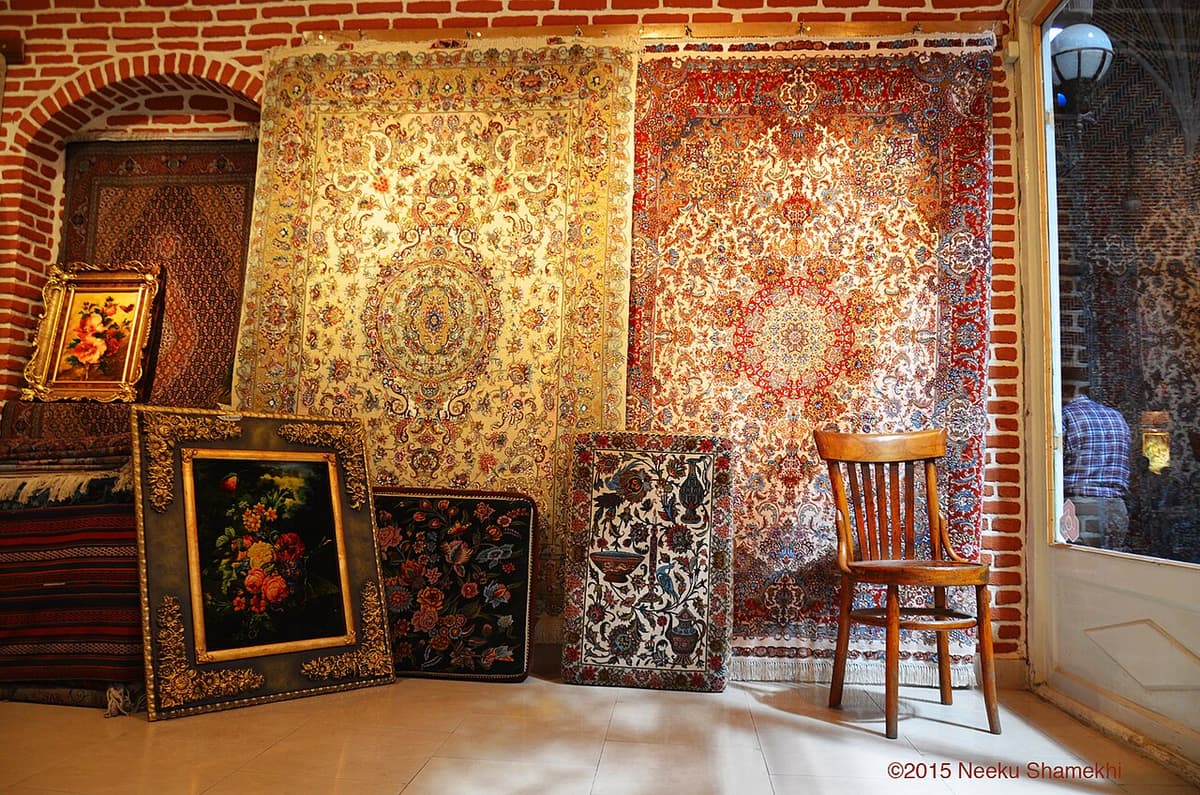
Traditional crafts and industries also reveal a society's traditions and identity. In Iran, the making of Persian carpets is a long tradition, and the carpets have come to symbolise Iranian cultural heritage. A carpet is a physical object, yet it carries the skills, patterns and history of the people who made it.
9 more sections in this topic
Pick this up in your Library: it holds the whole topic, notes, cheatsheet and questions.