
Post-war America and the language of racism
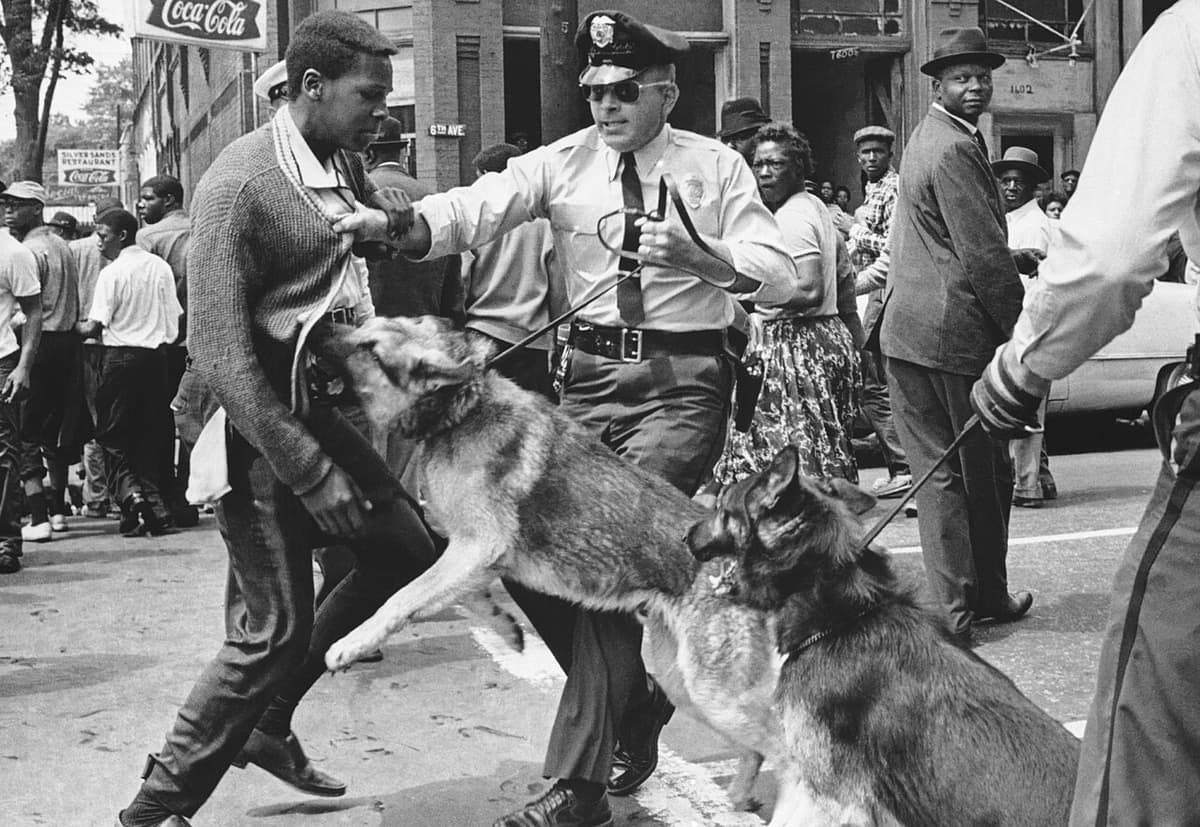
This photograph shows police dogs being set on a young Black protester in Birmingham, Alabama, in 1963. Pictures like this from Birmingham caused anger across the USA and condemnation abroad, because the USA presented itself as the champion of freedom. The civil rights movement won many of its victories by making scenes like this visible. To understand why, start with the gap between what America claimed after 1945 and how it treated its Black citizens.
By 1945 the USA was a superpower, the richest and strongest nation in the world. It had helped defeat Hitler and Japan and described the war as a fight for freedom and democracy. At home, however, Black Americans faced discrimination in society, at work and in politics. The war brought some gains, for example in the armed forces, but segregation in the South and discrimination across the whole country remained a central part of Black life.
President Harry S. Truman's Committee on Civil Rights pointed to this contradiction in its 1947 report To Secure These Rights. The report argued that the USA wanted to lead the world towards peace and prosperity, but its civil rights failures at home stood in the way. America was not so powerful that it could ignore how other nations judged its record. Keep this argument in mind. Embarrassing the USA in front of world opinion later became one of the movement's most effective tactics.
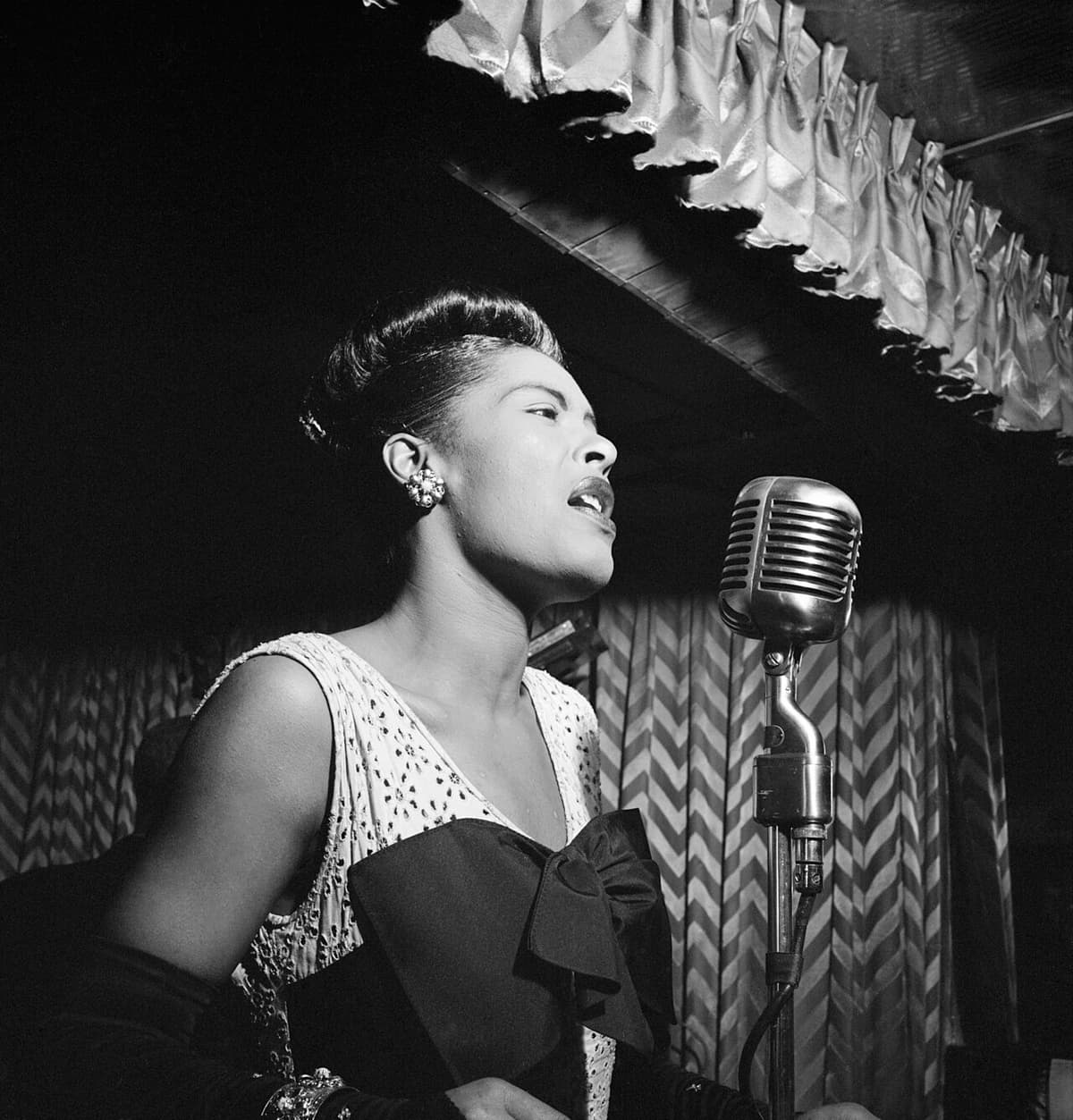
The song 'Strange Fruit', written by Abel Meeropol and sung by Billie Holiday, works as a historical source.
It sets the comfortable image of the 'gallant south' and the scent of magnolia against the bodies of lynched Black people hanging from poplar trees, left for the crows, the rain and the sun.
The 'strange fruit' is the victims themselves. The song shocks by placing horror inside a pretty country scene, forcing listeners to face violence that white Southern society preferred to ignore.
The words below appear throughout the topic. Use them precisely, because mixing them up weakens an explanation.
A negative opinion or attitude about a group of people, formed without good reason or knowledge.
Treating people unfairly because of the group they belong to, for example paying them less or denying them the vote.
The enforced separation of groups of people, for example in schools, transport or housing. It is one form of discrimination.
Bringing separated groups together so they share the same facilities and institutions on equal terms.
The belief that some races are superior to others, and the actions and systems that follow from that belief.
Someone who believes their own group should dominate others, for example a white supremacist.
The killing of a person by a mob, often by hanging, without any trial. In the American South it was used to terrorise Black people.
9 more sections in this topic
Pick this up in your Library: it holds the whole topic, notes, cheatsheet and questions.