
The human cost of the war
The First World War began in Europe in August 1914 and lasted until November 1918. It was one of the most destructive wars in human history, and its cost was counted first in lives. About 9 million people were killed in combat. Millions more came home permanently disabled or disfigured. Millions of others died indirectly, from famine and disease, as the fighting ended.
The losses fell hardest on young men. In France, at least 18 per cent of the men who served in the army (about 1.5 million) died. A country that loses so many of its young men loses many of the workers, parents and future leaders it would have depended on for decades.
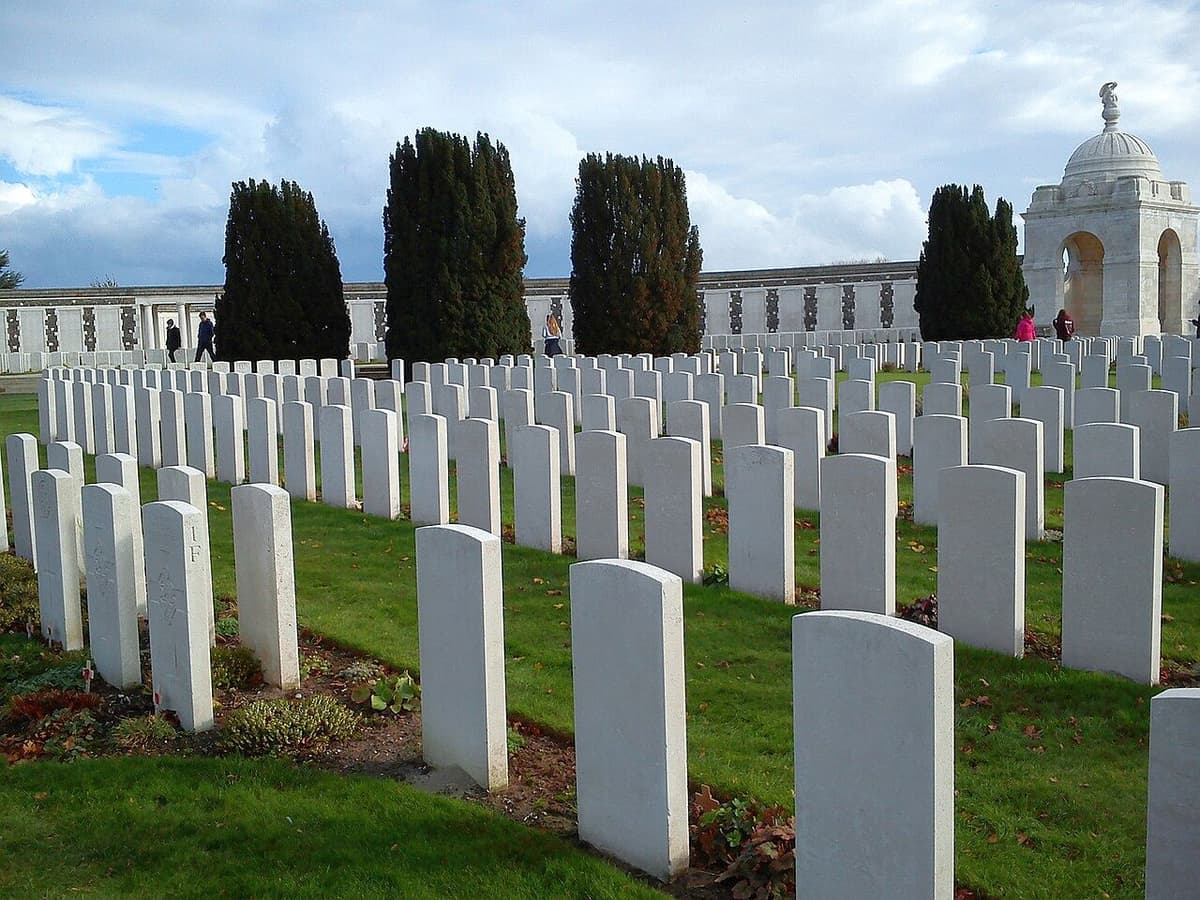
The generation of young people, mostly men, killed or permanently damaged by the First World War. Their absence was felt for years afterwards in families, workplaces and public life.
The pressure this placed on the peacemakers is explored in the lesson on creating a lasting peace.
You will meet different totals for war deaths, such as 9 million and 10 million. Check what each figure counts.
8 more sections in this topic
Pick this up in your Library: it holds the whole topic, notes, cheatsheet and questions.