
Consequences of a warming world
For long periods, global temperature stayed fairly steady. It is now rising faster than at any point in the record, because human activity has pushed up greenhouse gas emissions (the lesson on climate change causes explains how). A warmer planet changes far more than the thermometer reading. Some consequences are already happening and measurable. Others are predicted. Scientists keep identifying new ones as the evidence builds.
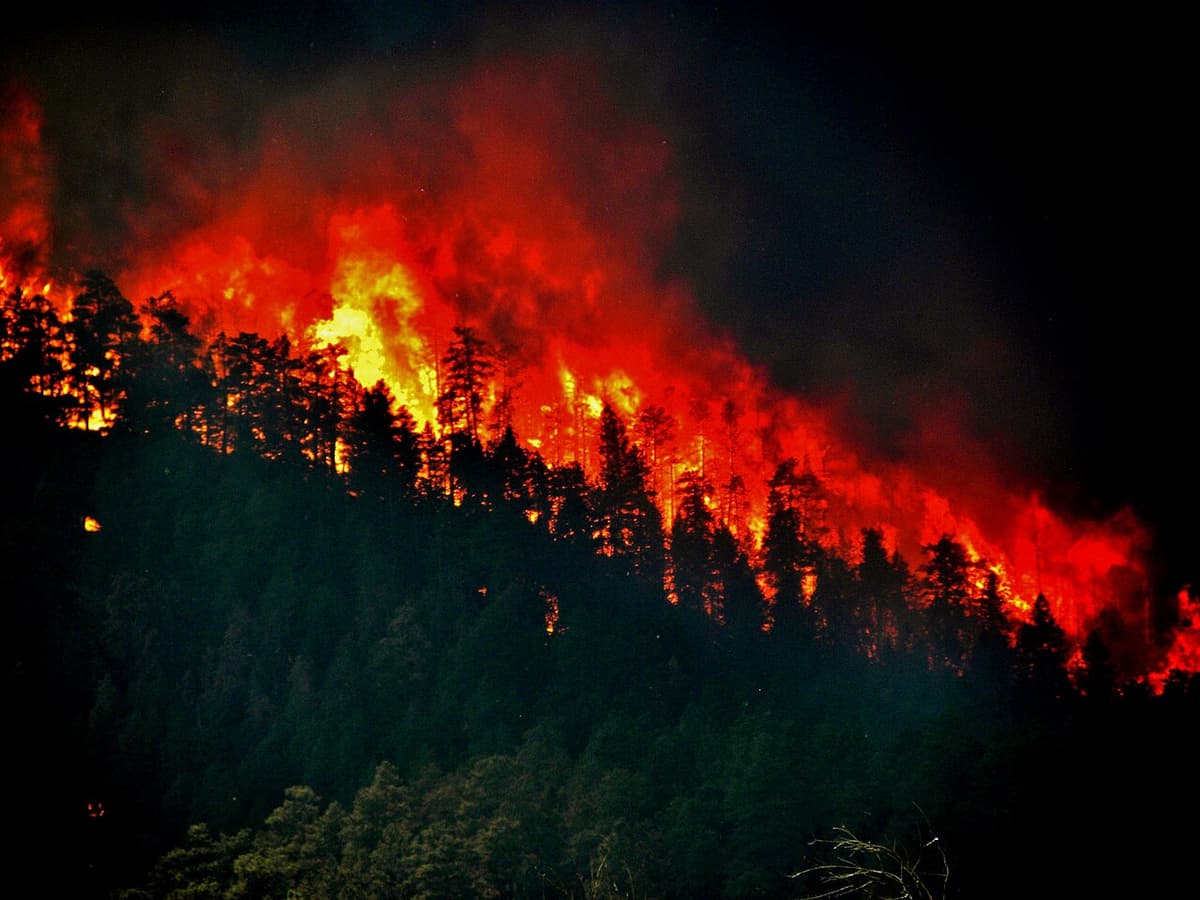
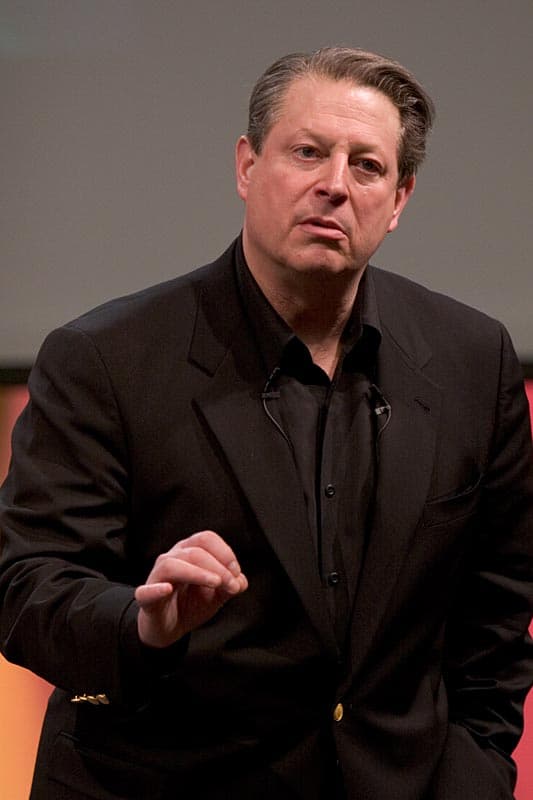
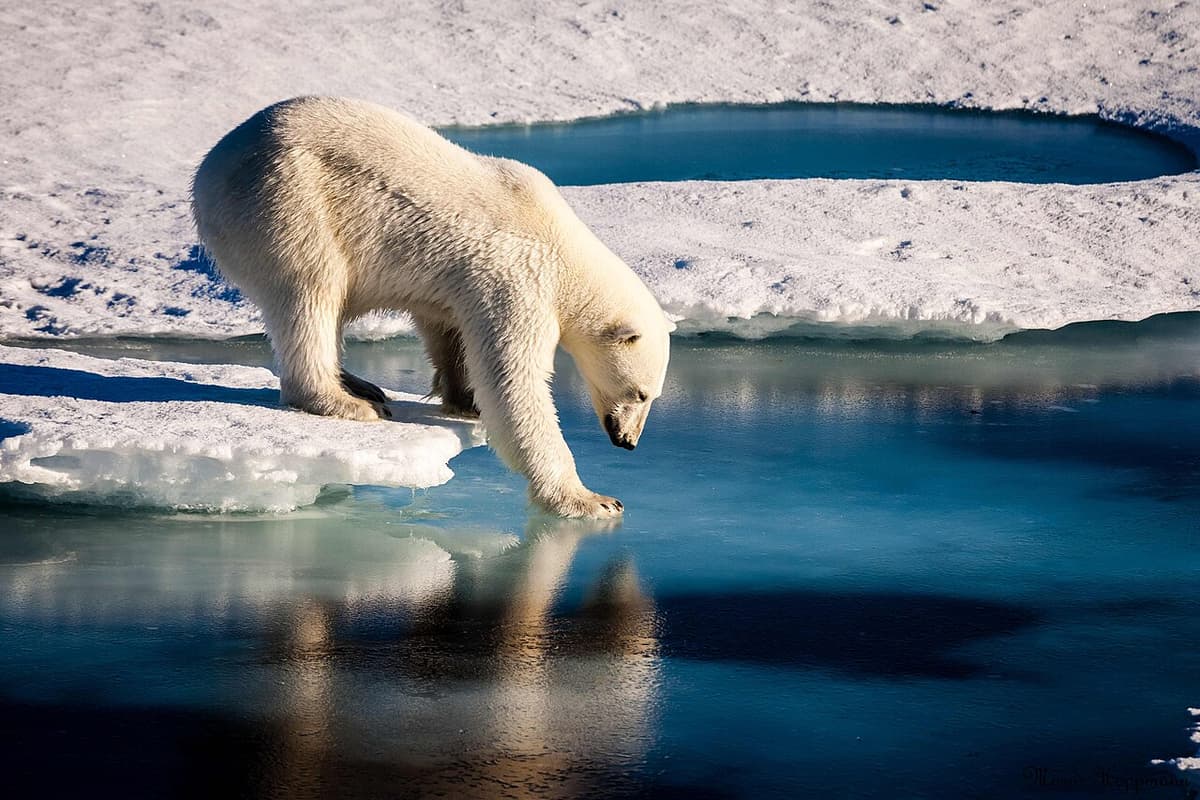
Study the three images in Figure 9.1 using See, Think, Wonder. Each one points to a different part of the Earth system. The polar bear stranded on a shrinking ice floe belongs to the frozen world. The hurricane belongs to the air. The burning forest involves both living things and the weather that dried them out.
Geographers sort consequences in two ways. The first is by Earth sphere, the part of the planet affected.
The frozen parts of Earth's surface, such as sea ice, glaciers, ice sheets, snow and permafrost.
All the water on Earth, including oceans, seas, rivers and lakes.
The parts of the globe where life exists, on Earth's surface or in the air.
The atmosphere is the layer of air around the planet, where weather happens.
The second way is by who or what is affected, using the SEEP categories.
A framework for analysing impacts. Social covers people and society. Economic covers industries, agriculture and tourism. Environmental covers natural environments. Political covers local and national governments.
Many consequences belong in more than one category. A storm that floods a coastal town is an atmospheric event, but its impacts are social (lives lost), economic (rebuilding costs) and political (pressure on government) all at once.
Overlap is normal and worth pointing out in your analysis.
9 more sections in this topic
Pick this up in your Library: it holds the whole topic, notes, cheatsheet and questions.