
Skiers on Mount Skrzyczne
Mount Skrzyczne in Poland is a busy ski mountain. In the photo, skiers head down a snow-covered run next to a chairlift. Frost coats the trees and mist fills the valley below. The scene looks peaceful, yet it contains everything an avalanche hazard needs: a steep slope, a deep cover of snow, and a lift that carries a steady stream of people onto that snow.
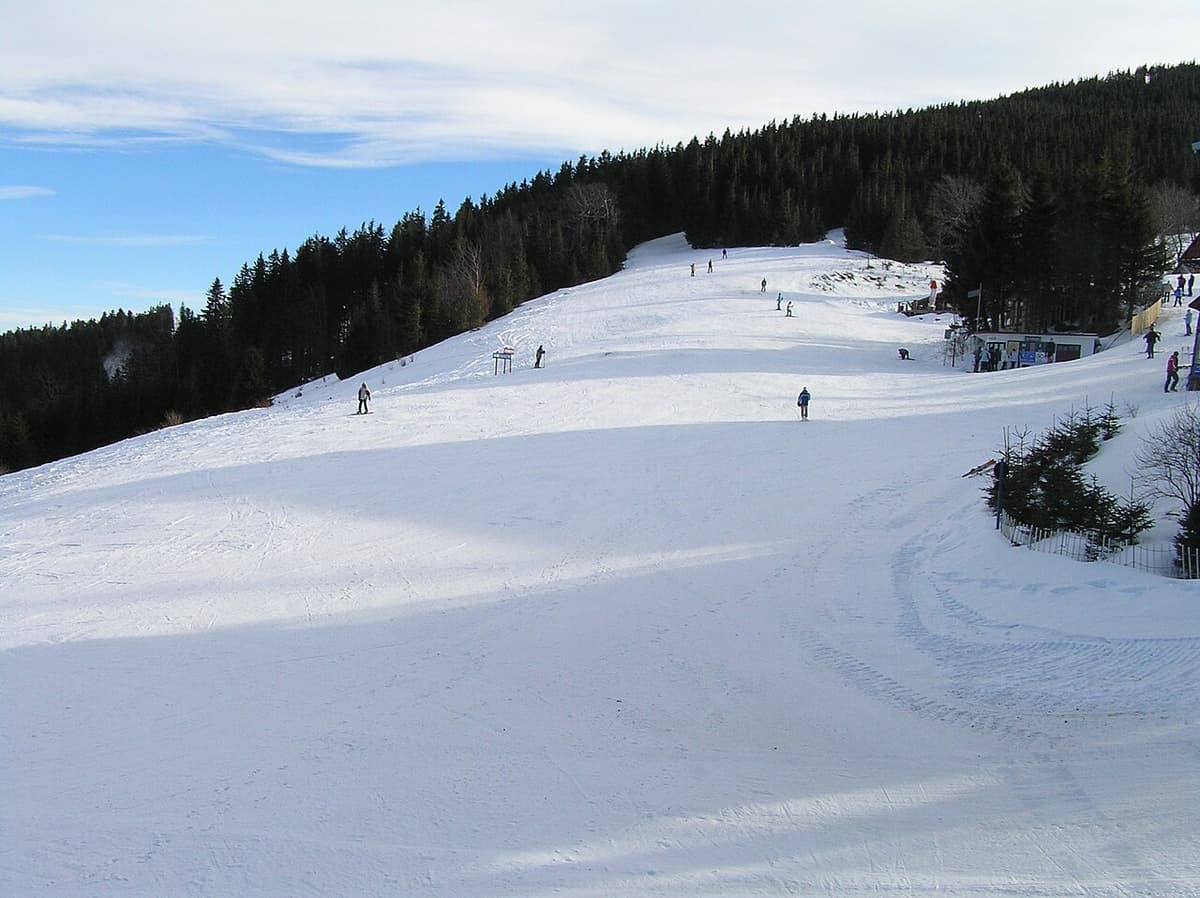
Ski resorts gather large numbers of people in the places where snow is most likely to move. If snow slides down a remote slope that nobody visits, no one is hurt. If the same amount of snow crosses a crowded run or a lift line, many people could be buried or injured. Whether an avalanche causes harm depends on who is in its path, and that idea runs through the whole case study.
Skiers, snowboarders and resort workers increase their exposure to avalanches simply by spending time on snowy mountain slopes. How exposure feeds into vulnerability is covered in the lesson on mitigating tectonic disasters.
Avalanches are a seasonal hazard. They happen in the snowy months, which is also when ski resorts are at their busiest. The hazard and the crowds peak at the same time of year.
8 more sections in this topic
Pick this up in your Library: it holds the whole topic, notes, cheatsheet and questions.