
Biomes under human pressure
Every biome on Earth is now used by people in some way. Figure 6.1 shows six examples, and each one changes the way a biome works.
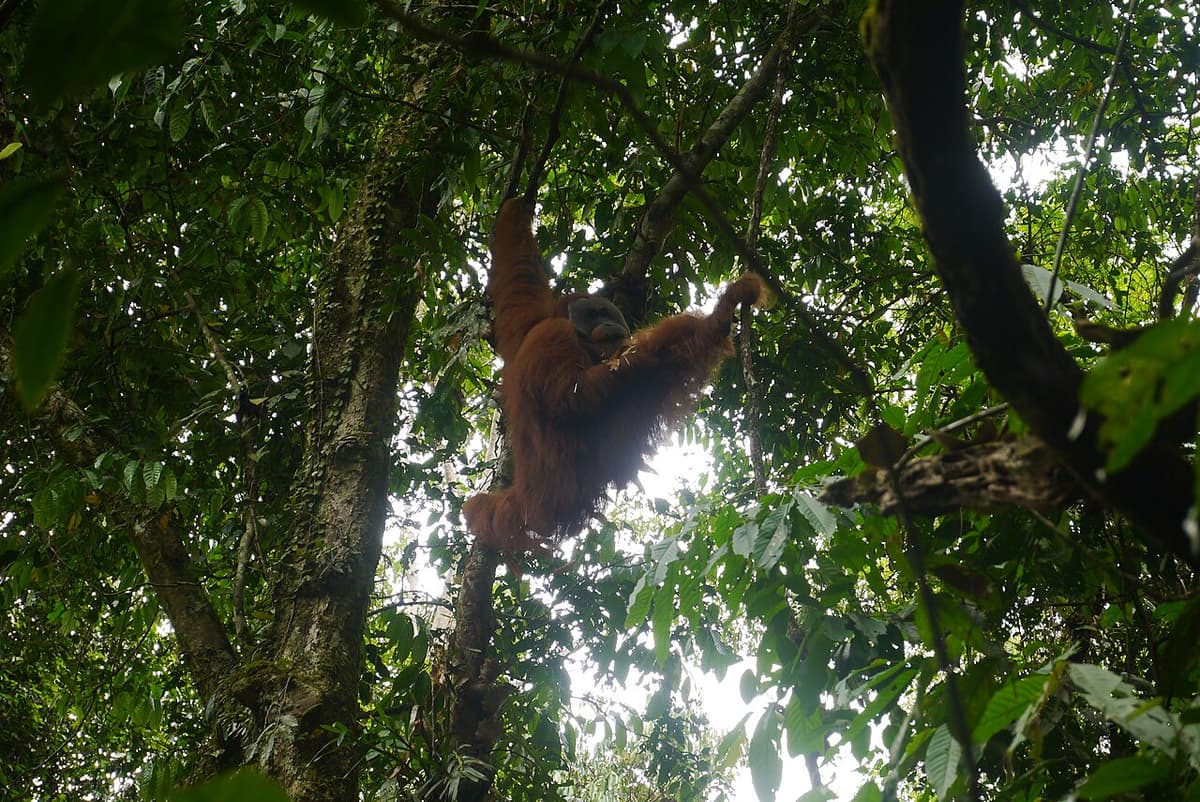
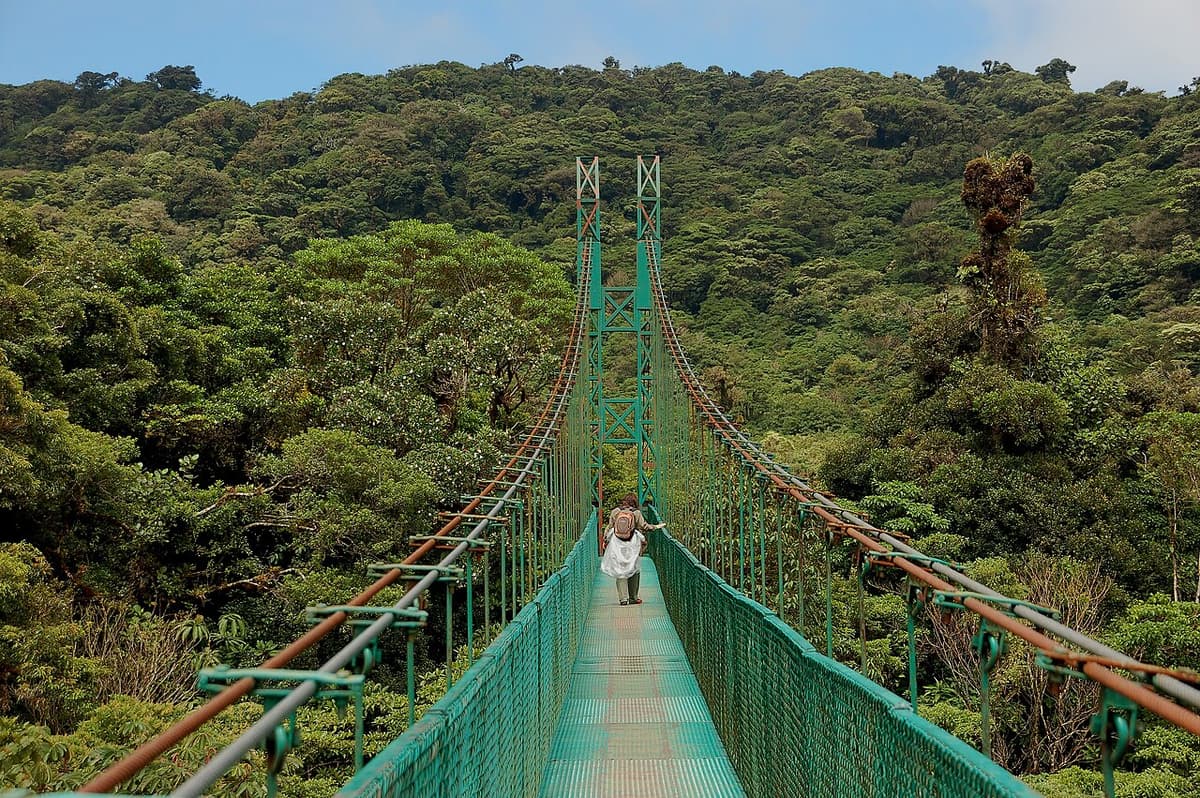
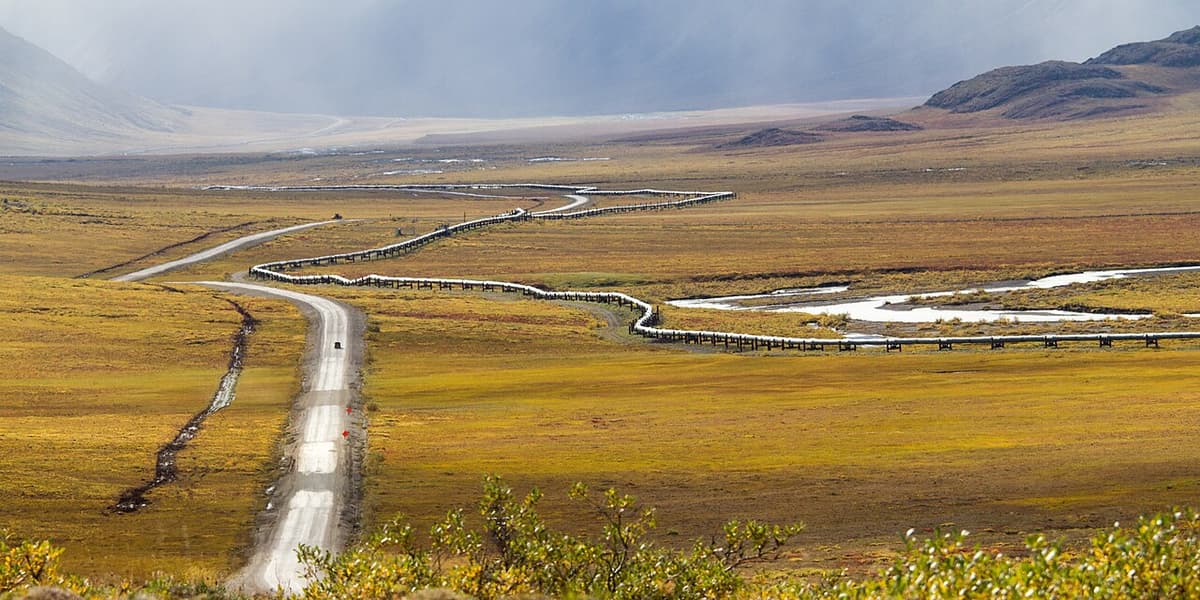
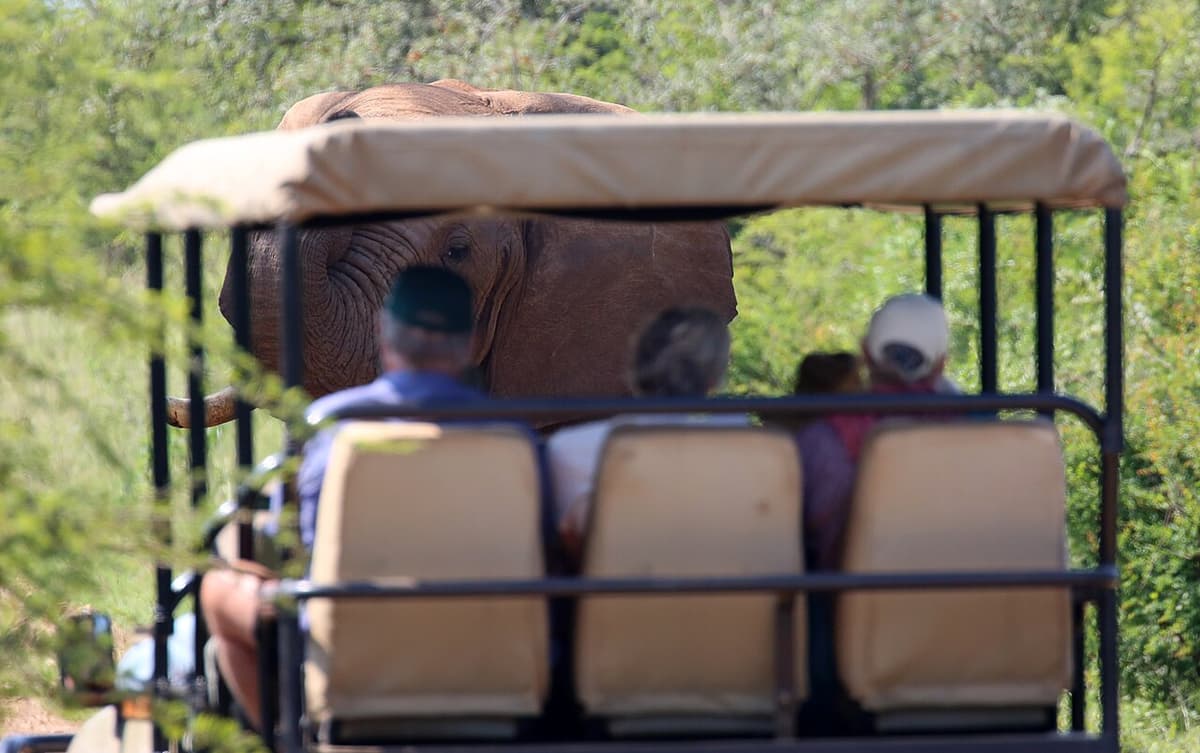
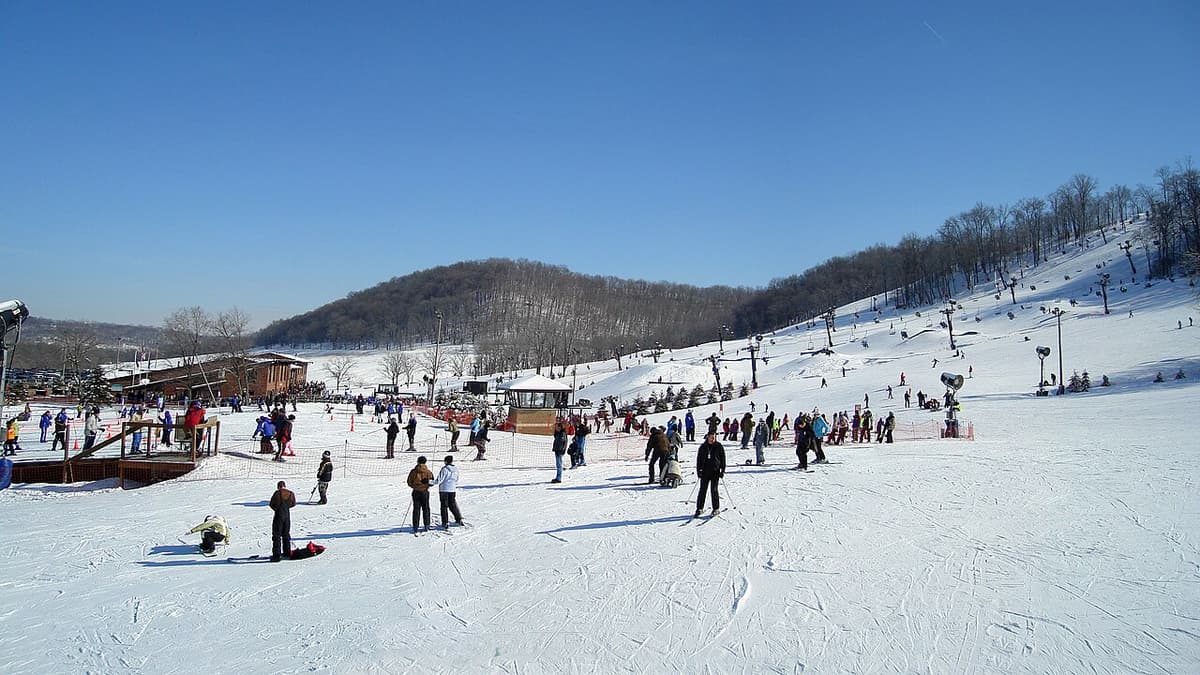
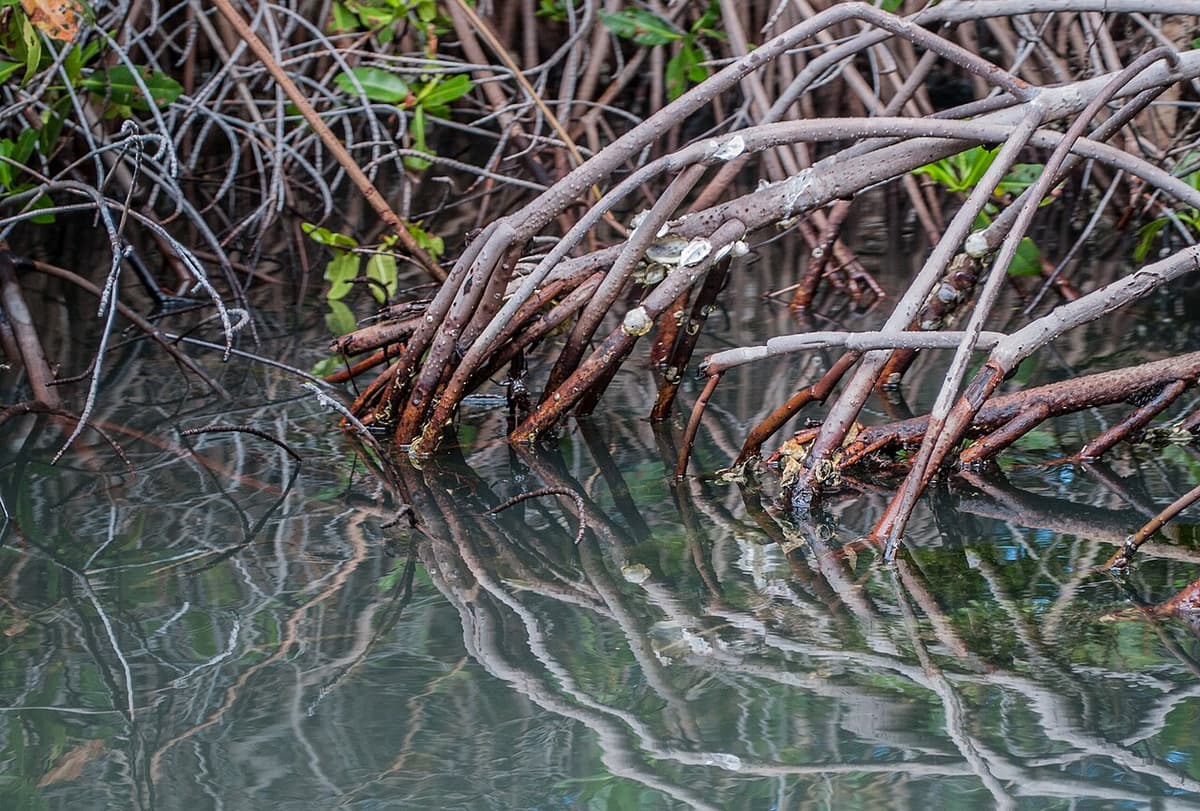
Study the photos using See-Think-Wonder. Note what you see, what each photo makes you think about the biome, and what you wonder about its future.
- Palm oil (the orangutan): tropical rainforest cleared for plantations.
- Eco-tourism (the Costa Rica walkway): forest kept standing so visitors will pay to see it.
- Pipelines (the Alaskan tundra): a fragile cold biome crossed by energy infrastructure.
- Safaris (the elephant): savanna wildlife used as a tourist attraction.
- Ski resorts (the mountain): slopes, lodges and crowds placed in a mountain environment.
- Mangroves (the wetland): a coastal biome that people use and manage.
Some of these uses take resources out of a biome. Others sell an experience of it. Both kinds bring benefits and costs, and managing any biome always produces positive and negative effects at the same time.
The debate running through this topic is whether biome management can be sustainable and equitable at once.
Using a biome to meet people's needs today in a way that keeps its processes, such as nutrient cycling and food webs, working for future generations.
Management in which the benefits and costs are shared fairly, so that local and indigenous people are not left carrying the losses while others take the gains.
A plan can score well on one and badly on the other. A strictly protected forest might be sustainable but unfair to the people who have always used it. A plantation might bring jobs to poor rural areas but destroy the forest. Keep both tests in mind as you work through the evidence.
The managed rainforest nutrient cycle
A Gersmehl diagram shows a biome's nutrient cycle as three stores (biomass, litter and soil) linked by flows. Circle size shows how many nutrients a store holds. Arrow width shows how large a flow is. Comparing two diagrams side by side is the clearest way to see what human management has done. The natural cycle and why rainforest soils are so poor are covered in the lesson on rainforest characteristics.
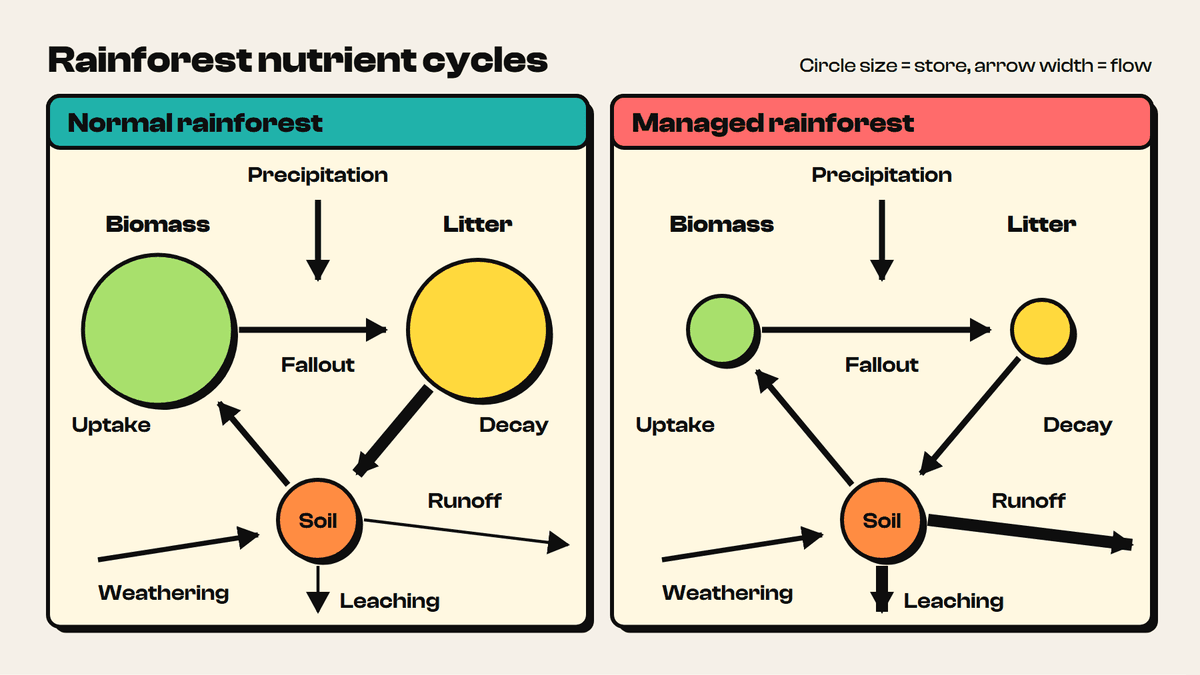
Compare the two diagrams in Figure 6.33.
- Normal rainforest: large biomass and litter stores, a small soil store, a thick decay arrow, thin runoff and leaching arrows.
- Managed rainforest: much smaller biomass and litter stores, a small soil store, thicker runoff and leaching arrows.
The shrinking biomass store is the sign of deforestation. The changes then follow one another like a chain.
- Trees are cleared, so the biomass store becomes far smaller.
- Less vegetation means less fallout of leaves and branches, so the litter store shrinks too.
- With the canopy gone, more rainwater reaches the ground directly.
- That water infiltrates the soil and percolates downward, carrying dissolved nutrients with it. Leaching increases.
- Water that does not soak in flows over the surface, so runoff increases and removes more nutrients.
- The lower soil horizons were already weak, so the few nutrients held in the soil are washed out of the system.
The overall result is a cycle that loses nutrients instead of recycling them. In the natural forest most nutrients were kept in living plants and passed quickly back through decay and uptake. In the managed forest they leave the system as outputs.
Students often assume the soil store grows after clearing because more water and dead material reach the ground. The opposite happens.
The extra water carries nutrients away through leaching and runoff, so the soil stays small and becomes even poorer.
The effect spreads beyond the soil. Plants are the producers at the base of every food web. A nutrient-poor system supports fewer producers, which leaves less food and habitat for the consumers that depend on them.
9 more sections in this topic
Pick this up in your Library: it holds the whole topic, notes, cheatsheet and questions.