
Reading Figure 3.24
Geographers often begin with evidence before they begin with explanations. Figure 3.24 shows three photographs of urban places, and a See-Think-Wonder routine is a good way to read them carefully.
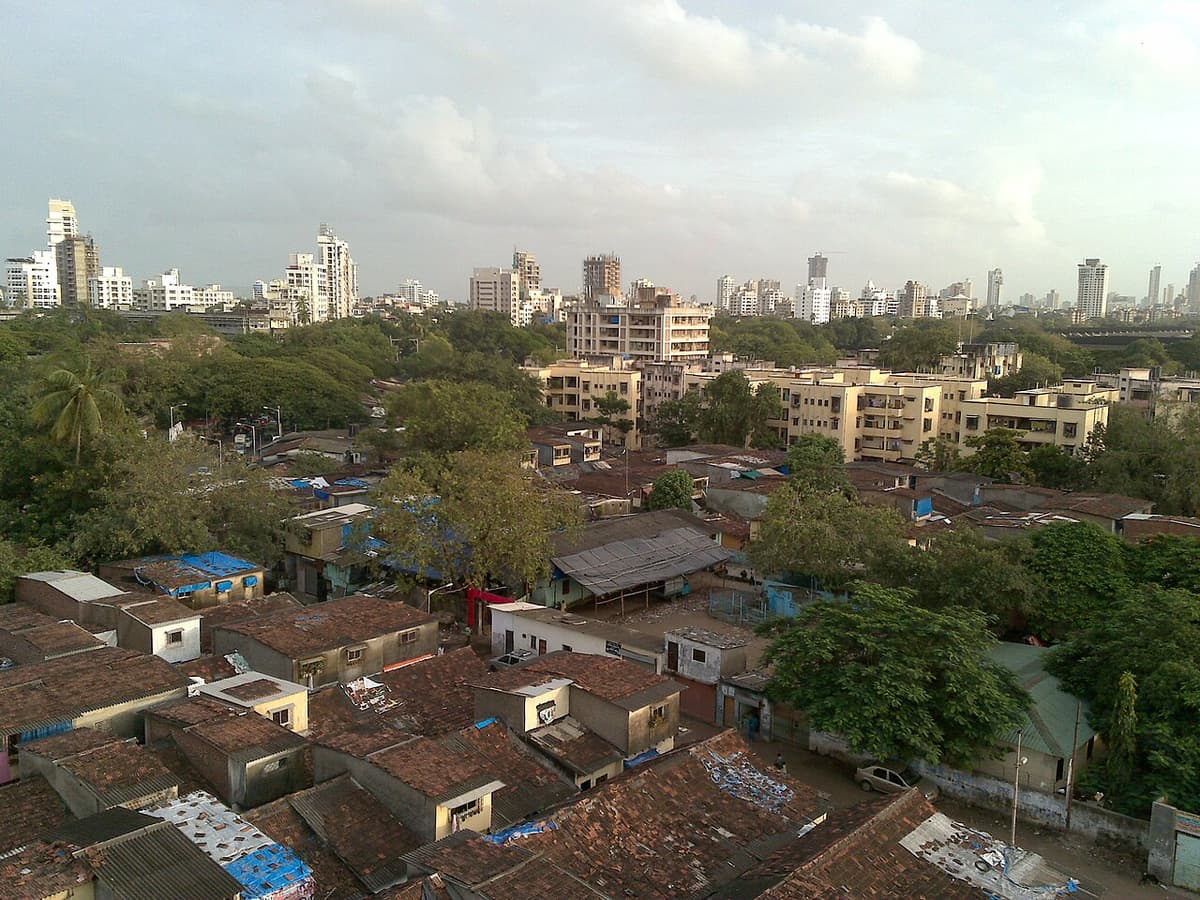
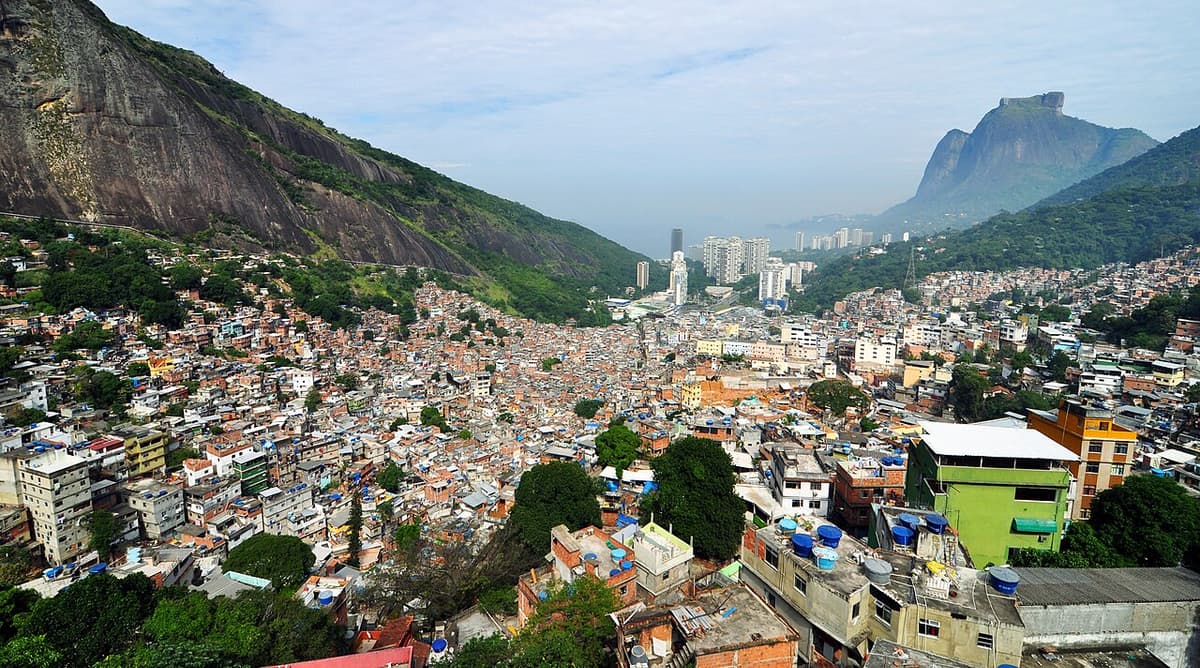
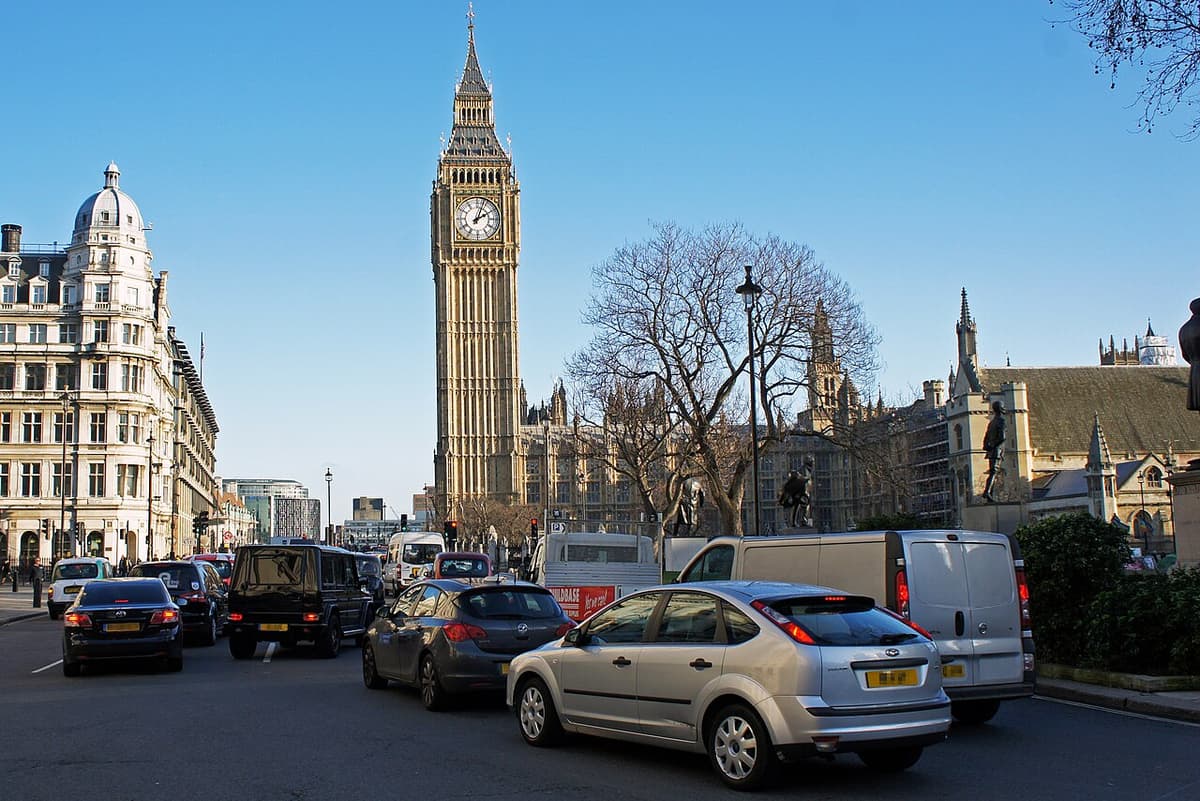
- See. Describe only what is visible. In photo (a), homes are built from whatever materials were to hand, with tarpaulins stretched over them and washing hung outside. Tall apartment blocks rise directly behind. In photo (b), small brick buildings are packed so tightly that they seem to cover the whole hillside. In photo (c), cars and vans fill the road and barely move.
- Think. Move from description to interpretation. Consider what daily life would be like in each place. How would people get clean water? How long would a journey to work take? What would happen if a fire broke out or heavy rain fell?
- Wonder. Note the questions the photos raise, for example how these areas could become more sustainable.
Keep the two steps apart. "The houses are made of tarpaulin" is an observation. "The houses would leak in the rain" is an inference. Both are useful, but in an exam answer you need to show which is which.
Note
Photo (a) is a useful reminder that poverty and wealth often sit side by side in the same city. The shanty dwellings and the apartment blocks are only metres apart.
9 more sections in this topic
Pick this up in your Library: it holds the whole topic, notes, cheatsheet and questions.