
Three contrasting cities
Cities around the world can look very different from one another. The differences tell geographers about how wealthy a place is, how fast it is growing and how its land has been shared out. A good way in is to compare three photographs side by side.
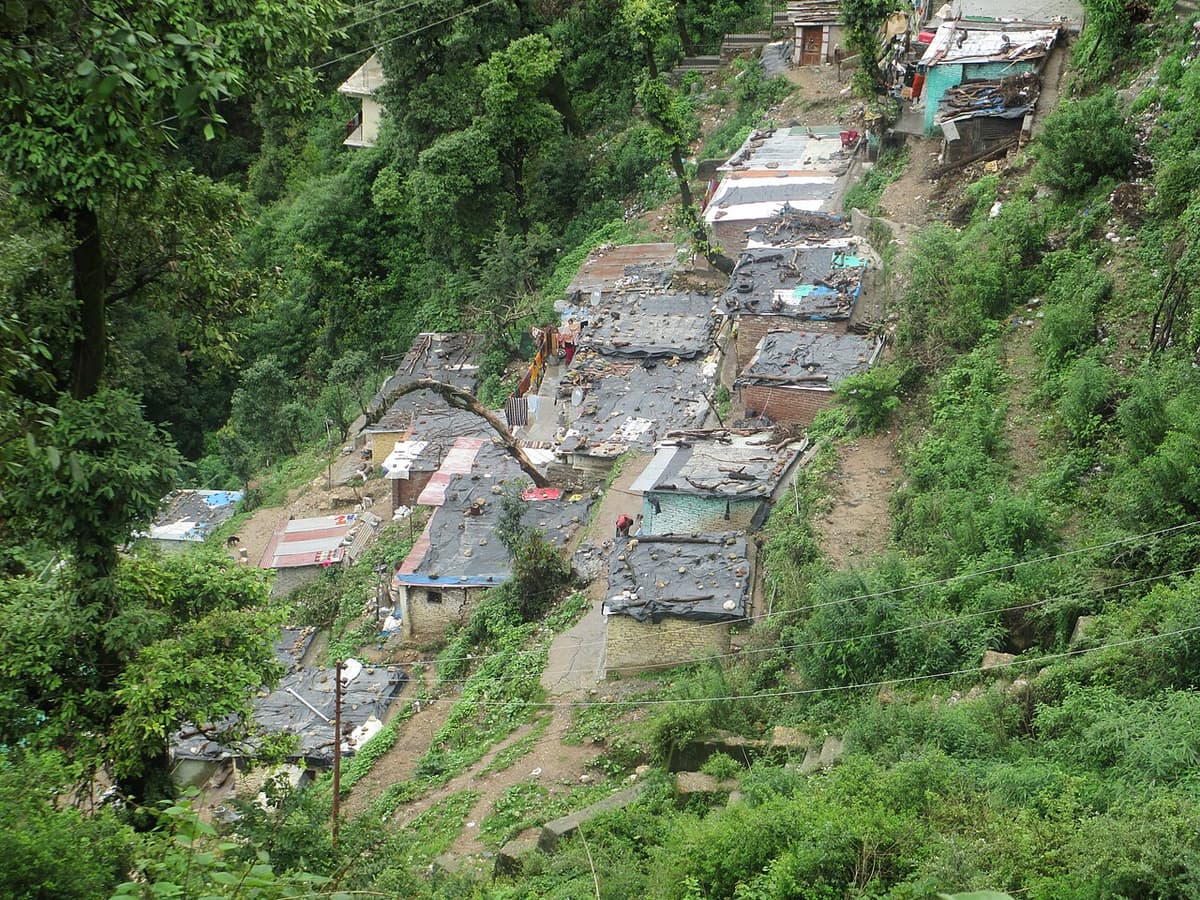
In photo (a), a shanty town, houses are packed tightly up a steep hillside. The roofs are made of corrugated metal, much of it rusty, and the buildings look small and self-built. There are no wide roads or open public spaces visible between them.
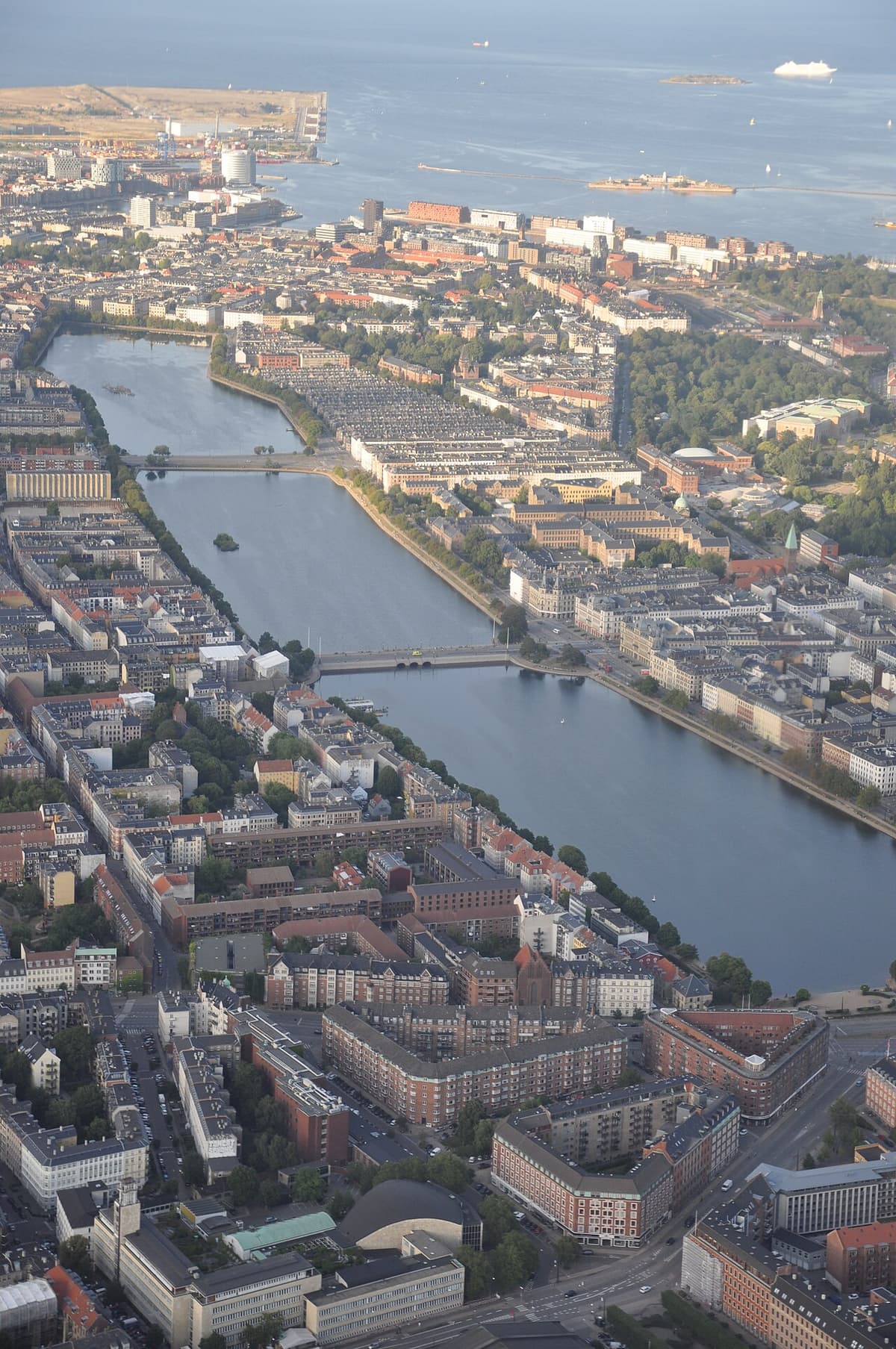
In photo (b), Copenhagen, the buildings are mostly low-rise and spread out. Lakes, parks and a large road or bridge break up the built area. The layout looks planned, with clear lines of streets.
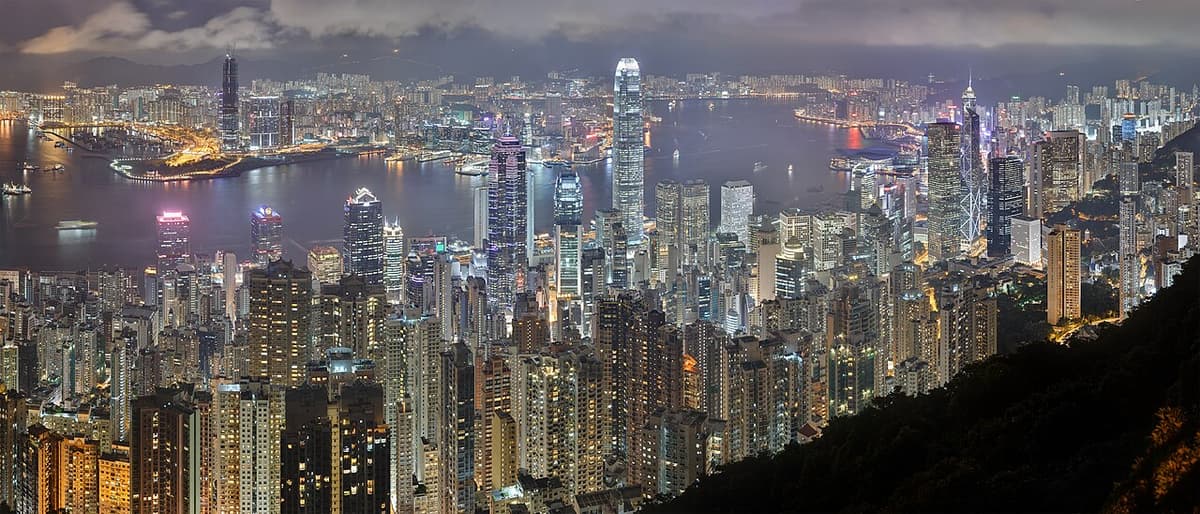
In photo (c), Hong Kong at night, tall skyscrapers crowd the edge of the harbour. Huge numbers of people live and work on a small area of land, so the city has grown upwards.
All three are urban places where many people live close together. What separates them is the type of housing, how much space each person has, how planned the area is and how much money has gone into building it. Those differences are the starting point for comparing cities in richer and poorer countries.
When you describe a city photo, work through the same checklist each time: building height, building materials, how close together buildings are, open or green space, and signs of planning such as straight roads. It makes comparisons much sharper.
8 more sections in this topic
Pick this up in your Library: it holds the whole topic, notes, cheatsheet and questions.