
Urban land use
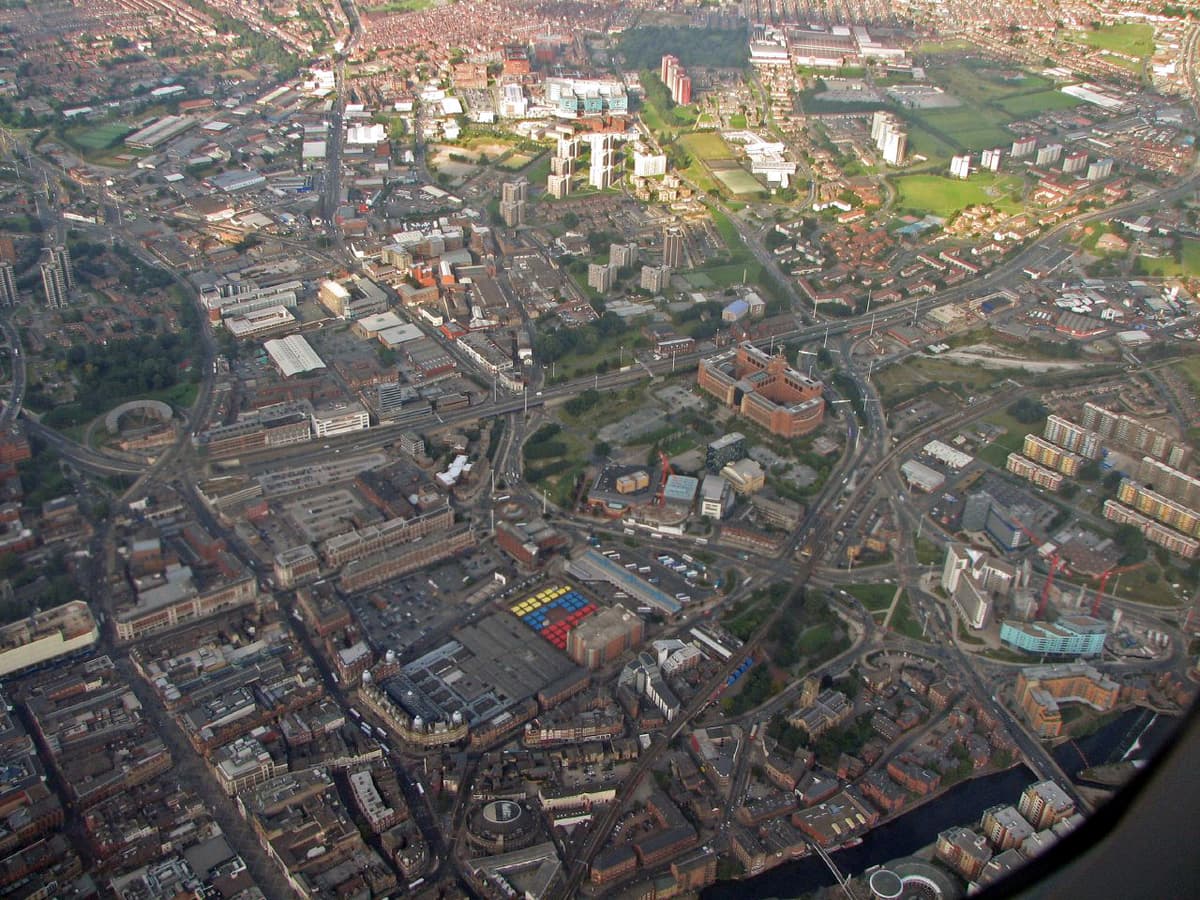
Every piece of land in a city is used for something. It might hold shops, offices, factories, houses, parks or roads. Urban land use describes how the land in a town or city is shared out between these different purposes.
The purpose that a piece of land is put to, for example commercial (shops and offices), industrial (factories and warehouses), residential (housing) or recreational (parks and open space).
Land uses are not scattered at random. Similar activities tend to cluster together, and over time a city develops recognisable areas, each dominated by one kind of use. Geographers call these areas land use zones.
The pattern of zones matters because it affects daily life. It decides how far people travel to work, where traffic builds up, which neighbourhoods suffer from noise or pollution, and how much a house costs. Understanding why zones form where they do is the first step towards planning a city that works well for the people who live in it.
8 more sections in this topic
Pick this up in your Library: it holds the whole topic, notes, cheatsheet and questions.