
Seven billion people
On 31 October 2011 the United Nations announced that the world's population had passed 7 billion. Nobody knows who the 7 billionth person was or where they were born. No one goes from house to house counting every person on Earth, so the milestone is an estimate. National governments and bodies such as the UN produce these estimates from the population they already know about, plus assumptions about how many births, deaths and migrants to expect in each area.
National Geographic marked the moment with a series called 7 Billion. Its writers had spent years reporting on climate change, energy, food supply and freshwater, and they kept finding that population was linked to every one of these issues. How many people there are, how many children they have, how long they live, and where and how they live all affect the land, oceans, fisheries, forests, wildlife, grasslands, rivers, groundwater, air quality and climate.
Before geographers can judge that pressure, they need to measure population change carefully. That means knowing which rates to use, how the numbers are collected, and how quickly the world's population has actually grown.
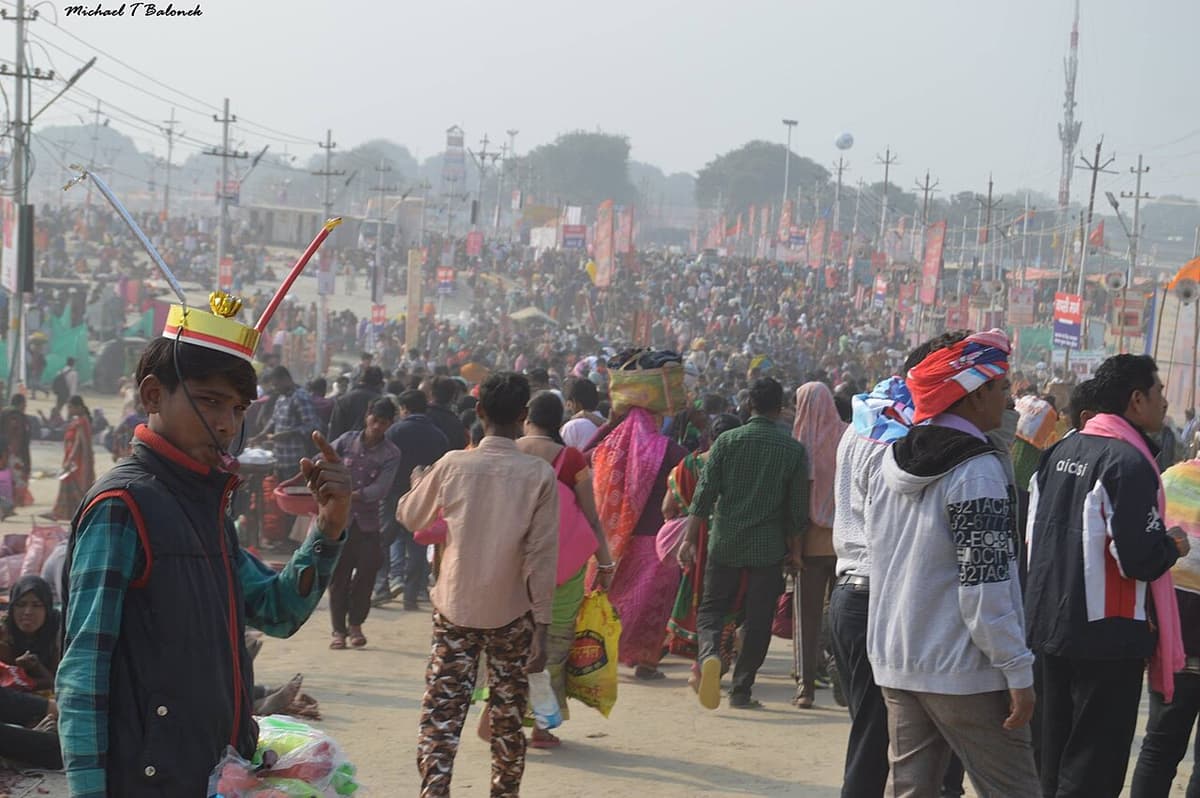
Keep three questions running as you read. How does this connect to what you already know? Which new idea pushes your thinking in a new direction?
What still confuses or puzzles you? Come back to your answers once you have worked through the projections.
9 more sections in this topic
Pick this up in your Library: it holds the whole topic, notes, cheatsheet and questions.