
Revolution and rebellion
Most change in a society is slow. Habits, beliefs and ways of living shift a little at a time as people's concerns change. Occasionally a society changes deeply in a short space of time, and the effects last for generations. That kind of change is called a revolution.
A major change in a society, usually brought about quickly, when people set out to replace the existing order and take the society in a new direction. It sometimes involves overthrowing the government and the whole political system.
An act of resistance or violence against whoever holds power, driven by anger over a particular issue. Rebellions are often crushed, although some do bring change.
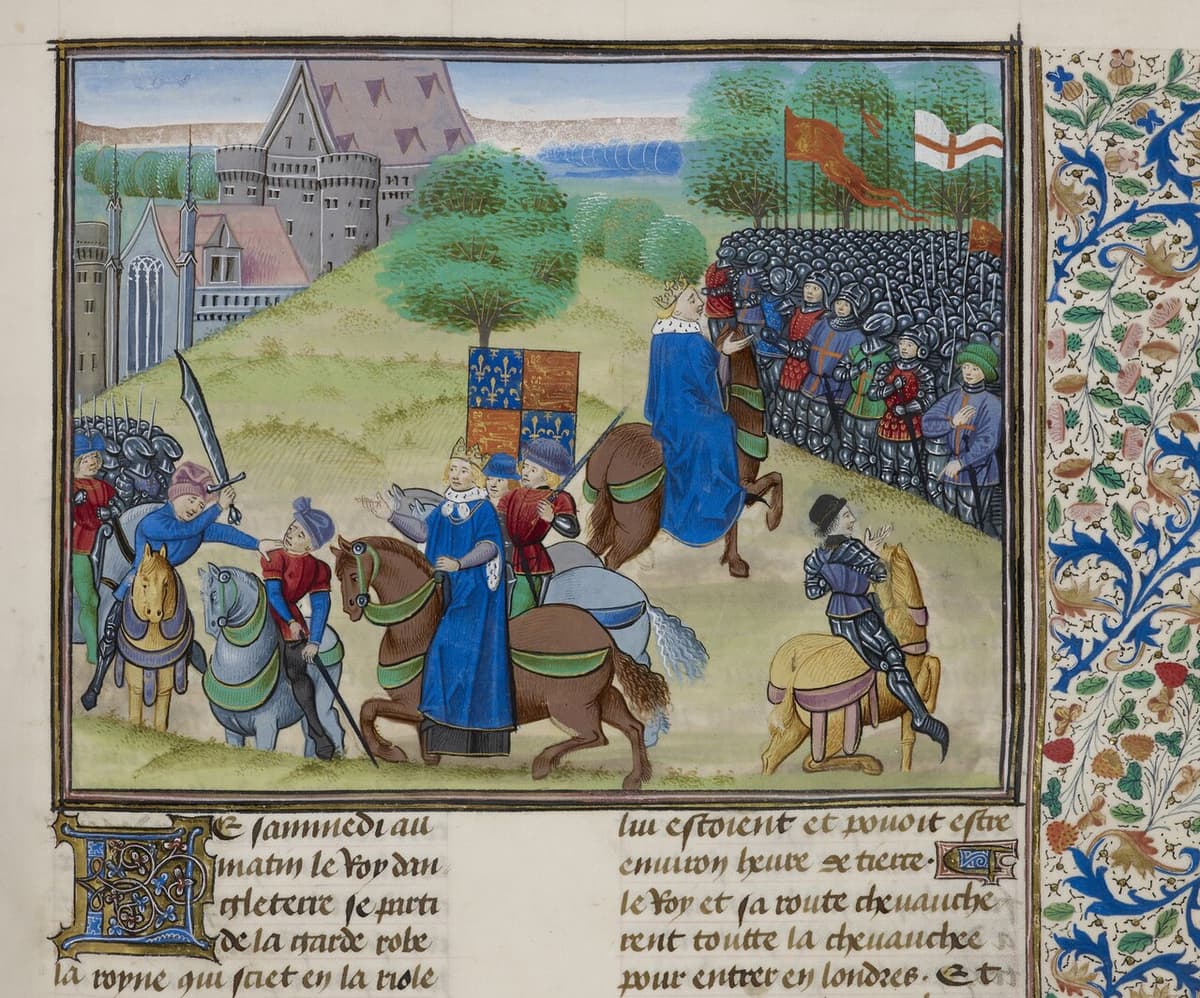
The difference lies in scale and aim. Rebels usually want one grievance put right. Revolutionaries want the whole system changed. The Peasants' Revolt in fourteenth-century England and the Taiping Rebellion in nineteenth-century China are two well-known rebellions.
The history website Alpha History describes revolutions as the great turning points of history. A turning point is a moment after which a society cannot return to how it was before. The article picks out speed as a shared feature, since a revolution can overturn a nation within a few years. It also argues that revolutionaries are usually driven by hope and idealism, that the old order fights to keep its power, and that the clash between them brings conflict, division and sometimes war. Building a better society after victory usually proves much harder than the revolutionaries expected.
Famous figures have described revolution in quite different ways.
- Che Guevara said a revolution does not drop like a ripe apple. People have to make it fall.
- Woodrow Wilson saw repression as the seed from which revolution grows.
- Germaine Greer called revolution 'the festival of the oppressed'.
- John F. Kennedy warned that making peaceful revolution impossible makes violent revolution inevitable.
Guevara stresses deliberate human action. Wilson and Kennedy point to the way rulers provoke revolution by blocking change. Greer focuses on what revolution means to people who have been held down.
Revolutions can be peaceful or violent. The Velvet Revolution in Czechoslovakia in 1989 changed the political system without bloodshed, while the Romanian Revolution of the same year cost many lives.
9 more sections in this topic
Pick this up in your Library: it holds the whole topic, notes, cheatsheet and questions.