
Natural hazards and human societies
The ground under your feet is moving. Forces deep inside the Earth push and pull on its surface all the time. Most of these changes are far too slow or too small for anyone to notice. Sometimes, though, they release enough energy to produce a natural hazard such as an earthquake, a volcanic eruption or a tsunami. When a hazard strikes a place where people live, it can become a disaster.
Two events show how serious this can be. In April 2015 an earthquake flattened buildings across Kathmandu, the capital of Nepal. In October 2010 Mount Merapi, a volcano in central Java, Indonesia, erupted repeatedly and forced hundreds of thousands of people from their homes. Both countries needed help from aid agencies and governments around the world.
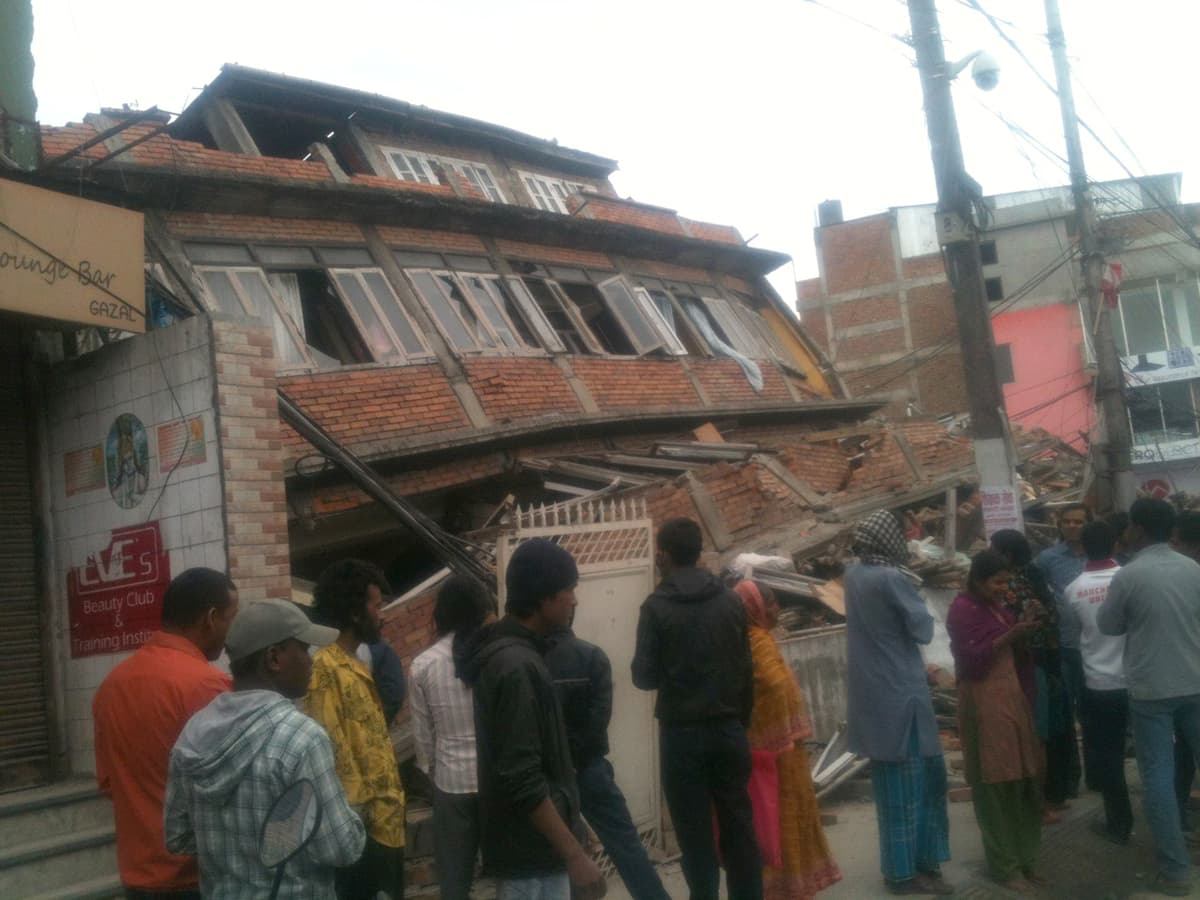
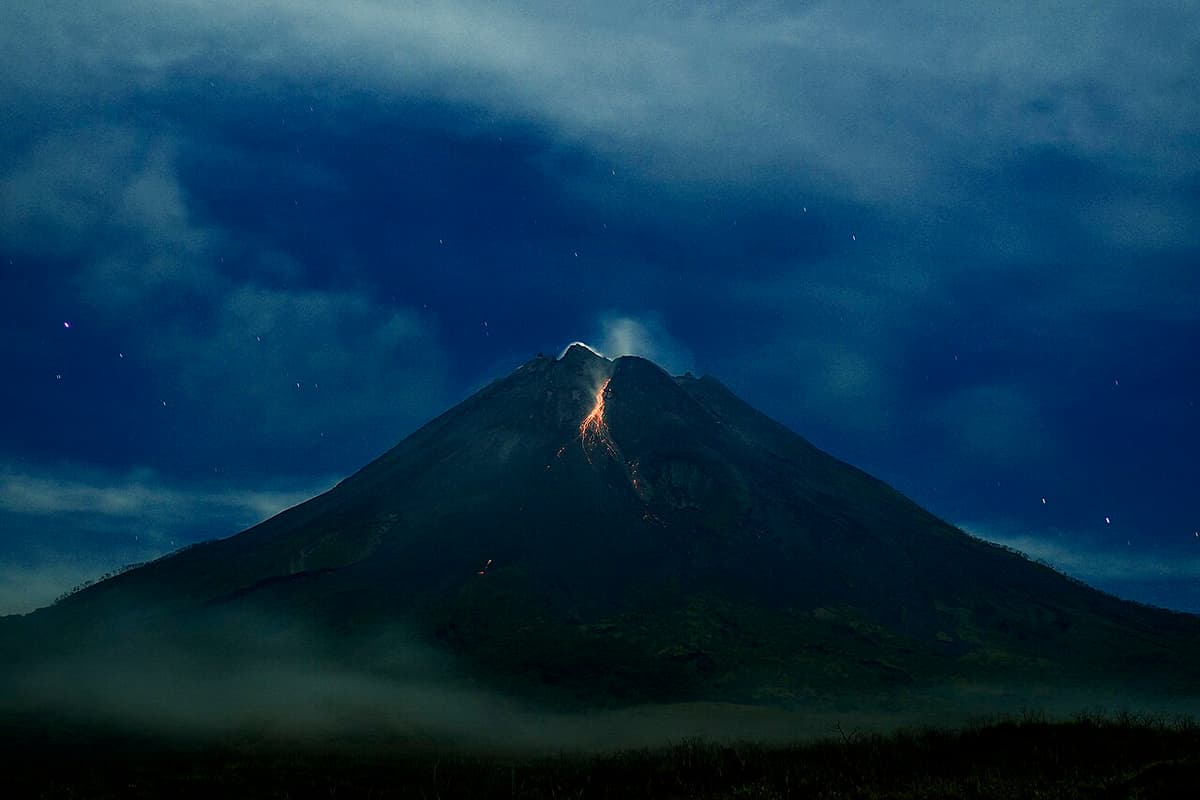
To understand these disasters you need to work through four ideas in order:
- How the Earth is built, and why its outer layer moves.
- Where plates meet, and what happens at each kind of boundary.
- What causes earthquakes and volcanoes, and what damage they do.
- How the world responds when disaster strikes, and how living with hazards shapes a society over time.
Nepal and Indonesia are not unlucky by accident. Both sit on plate boundaries, and that fact explains a great deal about why these disasters happened where they did.
9 more sections in this topic
Pick this up in your Library: it holds the whole topic, notes, cheatsheet and questions.