
Grassland, tundra and rainforest biomes
People depend on land biomes for food, timber, minerals and space. Each biome reacts differently when humans put pressure on it, so managing one well starts with knowing what it looks like and what its climate is like. The lesson on aquatic and desert environments explains what a biome is and how to read a climate graph.
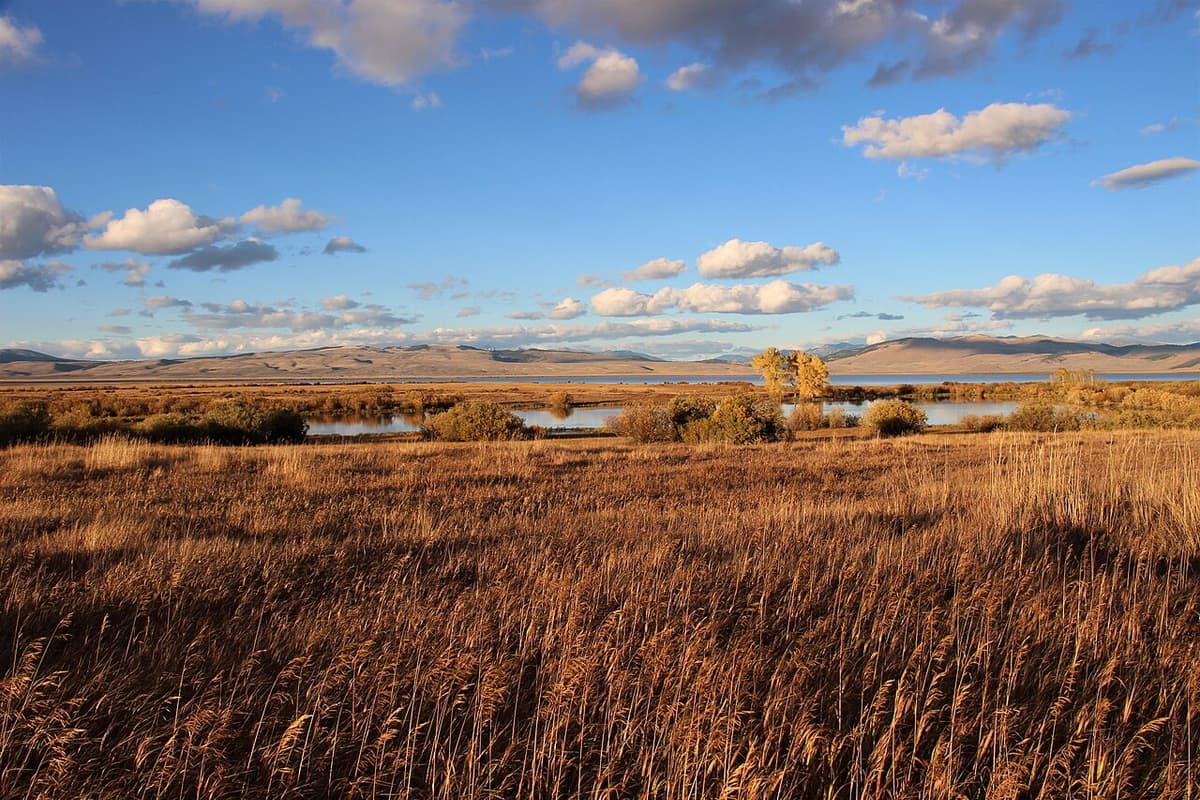
Grasslands are mostly flat areas covered by many kinds of grass, with few trees. They usually have a wet season and a dry season. Temperate grasslands, such as the Pampas in Argentina and the Prairies in North America, tend to be drier than tropical grasslands. Tropical grasslands are called savannahs, and the Serengeti is a well-known example. Grasslands support large grazing animals.
Tundra is found above the tree line, in places such as northern Russia and northern Canada. It is very cold, with temperatures below 0°C for most of the year, and it gets little precipitation. During the long winters, ice and snow cover the land. In the brief summer, grasses and many types of flower grow, and melting ice makes the ground boggy. Few animals can survive here. Two that do are the arctic hare and the caribou.
A layer of frost and ice beneath the ground that stays frozen all year round. It is a key feature of the tundra.
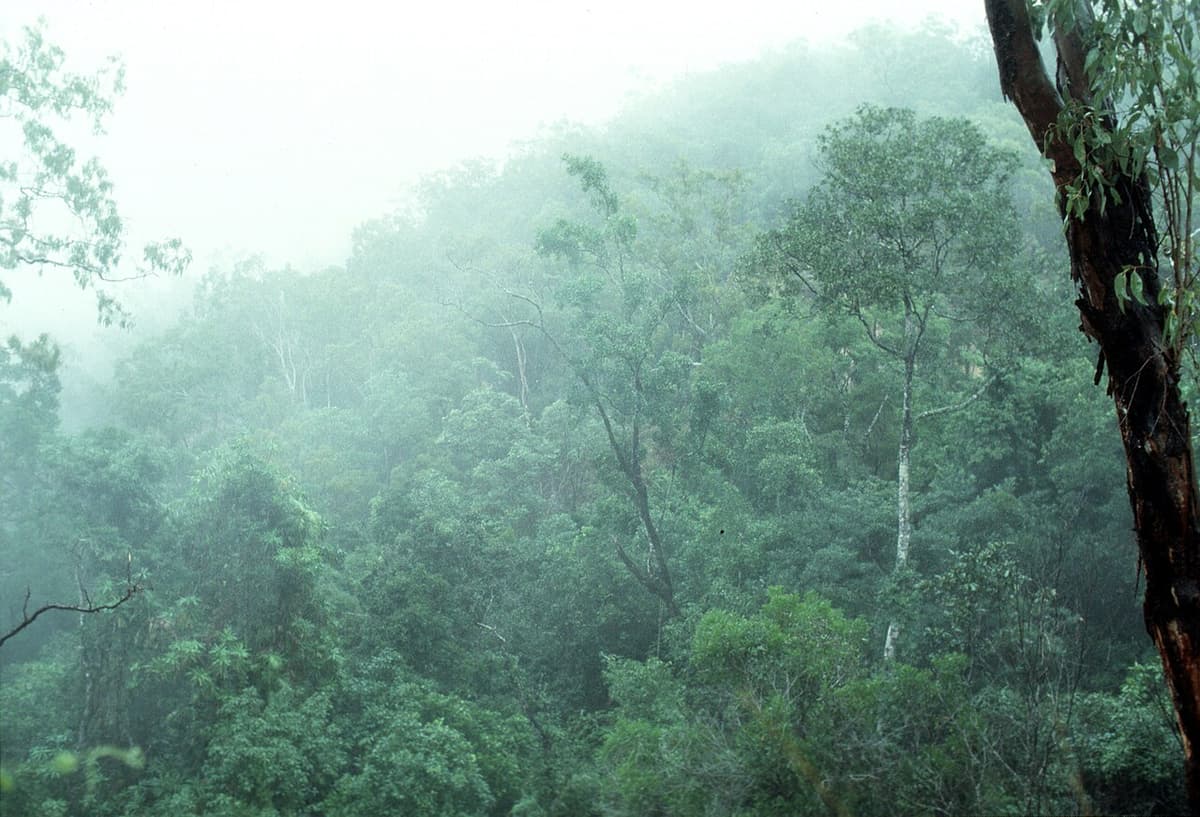
Rainforests are dense forests with a hot, wet climate all year. Temperature and rainfall change very little from month to month, although some rainforests do have wet and dry seasons. Trees and plants grow so closely together that they compete for sunlight. Rainforests have an extremely high variety of animals, especially insects and amphibians. The Amazon in South America and the Congo Basin in Africa are the two biggest examples.
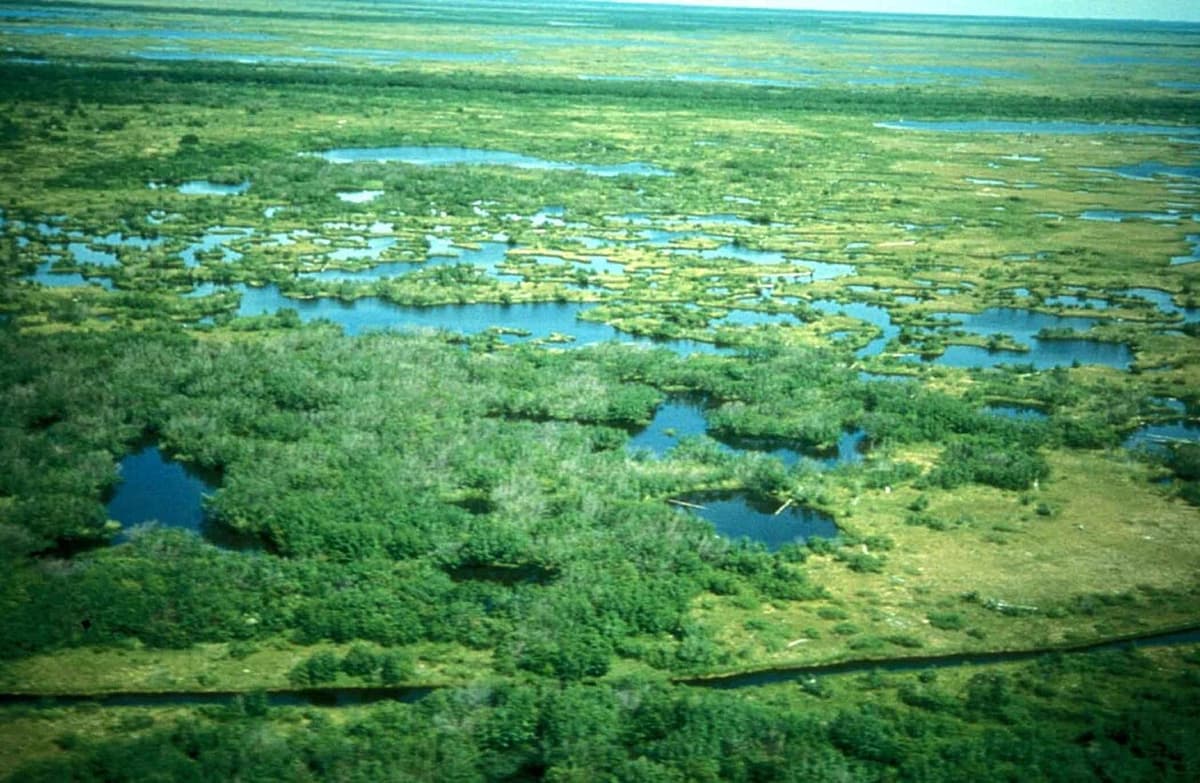
Students often picture the tundra as frozen and white all year. In the short summer the surface ice melts, the ground turns boggy, and grasses and flowers grow. The permafrost underneath stays frozen the whole time.
9 more sections in this topic
Pick this up in your Library: it holds the whole topic, notes, cheatsheet and questions.