
What poverty is
Poverty affects people in every country, rich and poor. The world made real progress against poverty in the early 21st century, but it is still one of the biggest global issues. To judge how poverty can be reduced, we first need to be clear about what it means.
Being very poor. Usually this means not having enough money or possessions to pay for basic necessities. It can also mean lacking the resources, freedoms and services that help people stay out of poverty.
Poverty is usually split into two main types.
The most severe type of poverty, also called extreme poverty. People cannot meet their basic needs, such as food, shelter and health care.
Definitions vary, but people in absolute poverty often survive on as little as US$1 a day. It tends to happen where people cannot get hold of resources, or where they are held back by things outside their control. The difference between a need and a want is covered in the lesson on needs and wants.
Being poor compared with other people in the same society.
Relative poverty is common because inequality exists in societies all over the world. It is found in wealthy countries as well as poor ones. Governments can make it less severe through their actions and policies.
Many students assume a rich country cannot have poverty. Relative poverty exists in every country, including the wealthiest. The difference is that poorer countries are more likely to have absolute poverty.
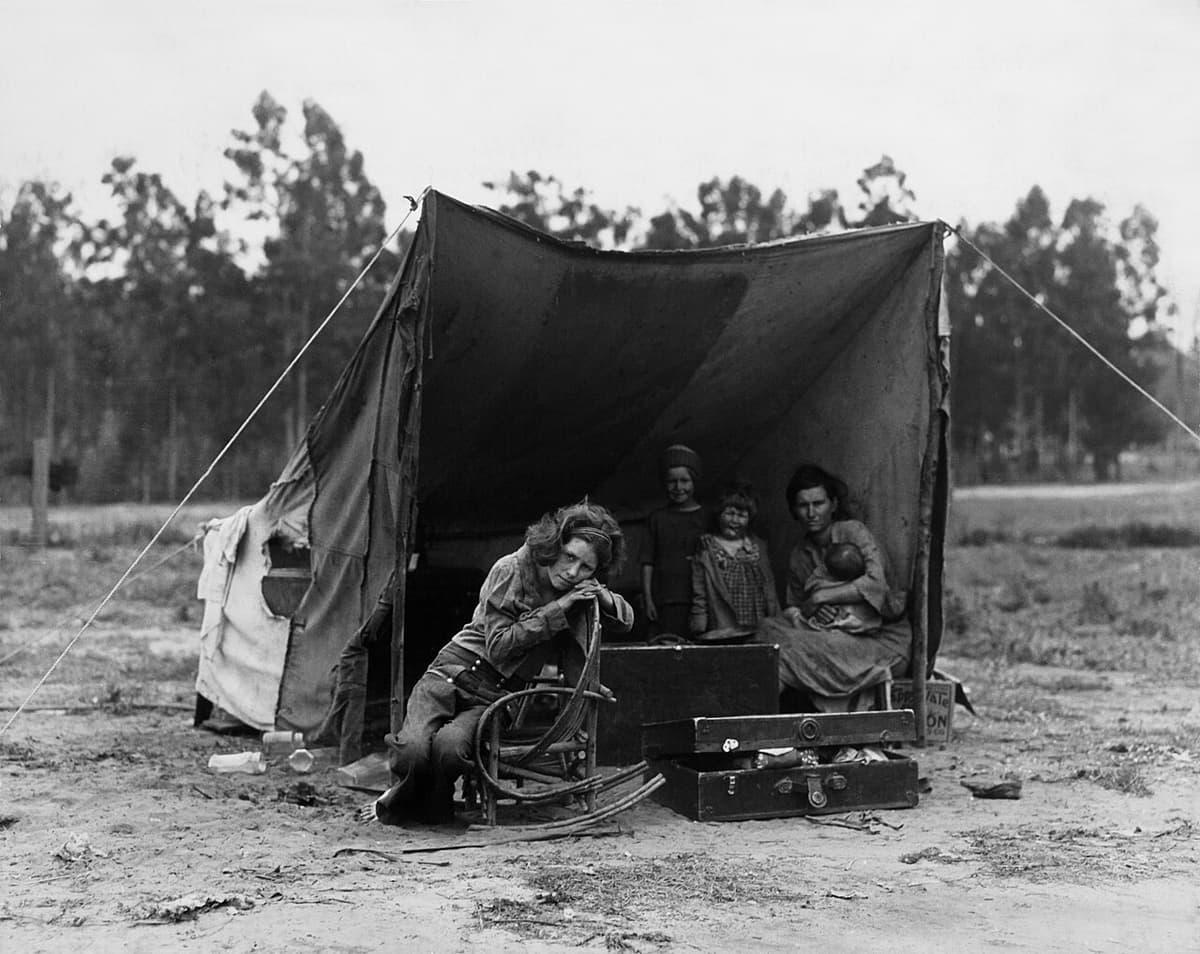
Types of poverty
Poverty is often thought of as a shortage of money. Relative poverty, though, can take forms that have little to do with income. Sorting poverty into types helps us see exactly what a person is missing.
| Type of poverty | What it looks like |
|---|---|
| Educational | Little or no access to school, which can leave people unable to read or write |
| Economic | The household does not earn enough to pay for essential items |
| Social and political | Being shut out of society, for example an immigrant who has no right to work, or someone treated unfairly because of their disability, race or gender |
| Health | No access to proper health care such as doctors, hospitals and vaccinations |
| Safety and security | Not feeling safe, for example because of violence at home, a high-crime neighbourhood or the outbreak of war |
These types often overlap. A child who cannot get to school is in educational poverty, and as an adult may find it hard to earn enough, which leads to economic poverty. One kind of poverty can feed another.
A family may earn enough to buy food and pay rent, so they are not in economic poverty. If they live in an area with frequent violent crime, they still experience safety and security poverty.
9 more sections in this topic
Pick this up in your Library: it holds the whole topic, notes, cheatsheet and questions.