
Settlements and where people live
Look at four homes. A red wooden house in a fishing village in Greenland. A round felt yurt on the grasslands of Mongolia, with a satellite dish standing next to it. A packed mass of tall buildings in Dhaka, the capital of Bangladesh. Rows of old stone houses on a hillside in Bath, England. Each one is a home, but daily life in each is very different.
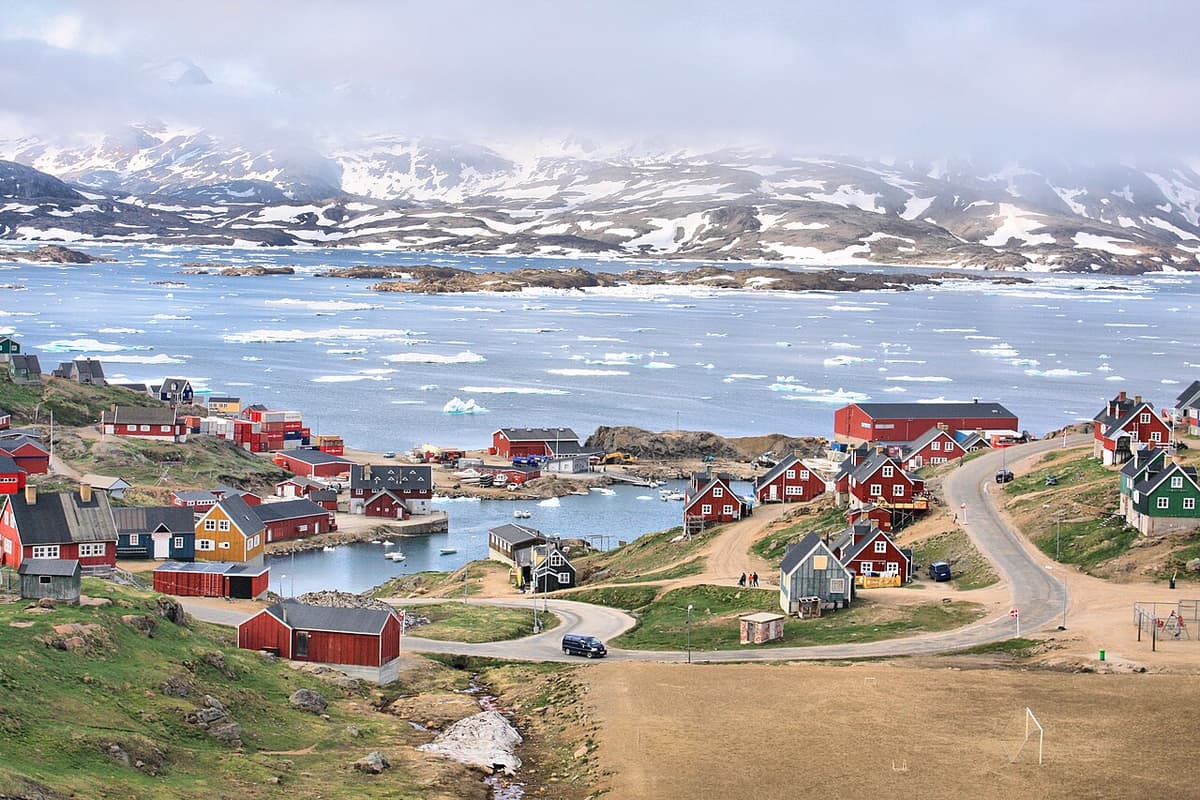
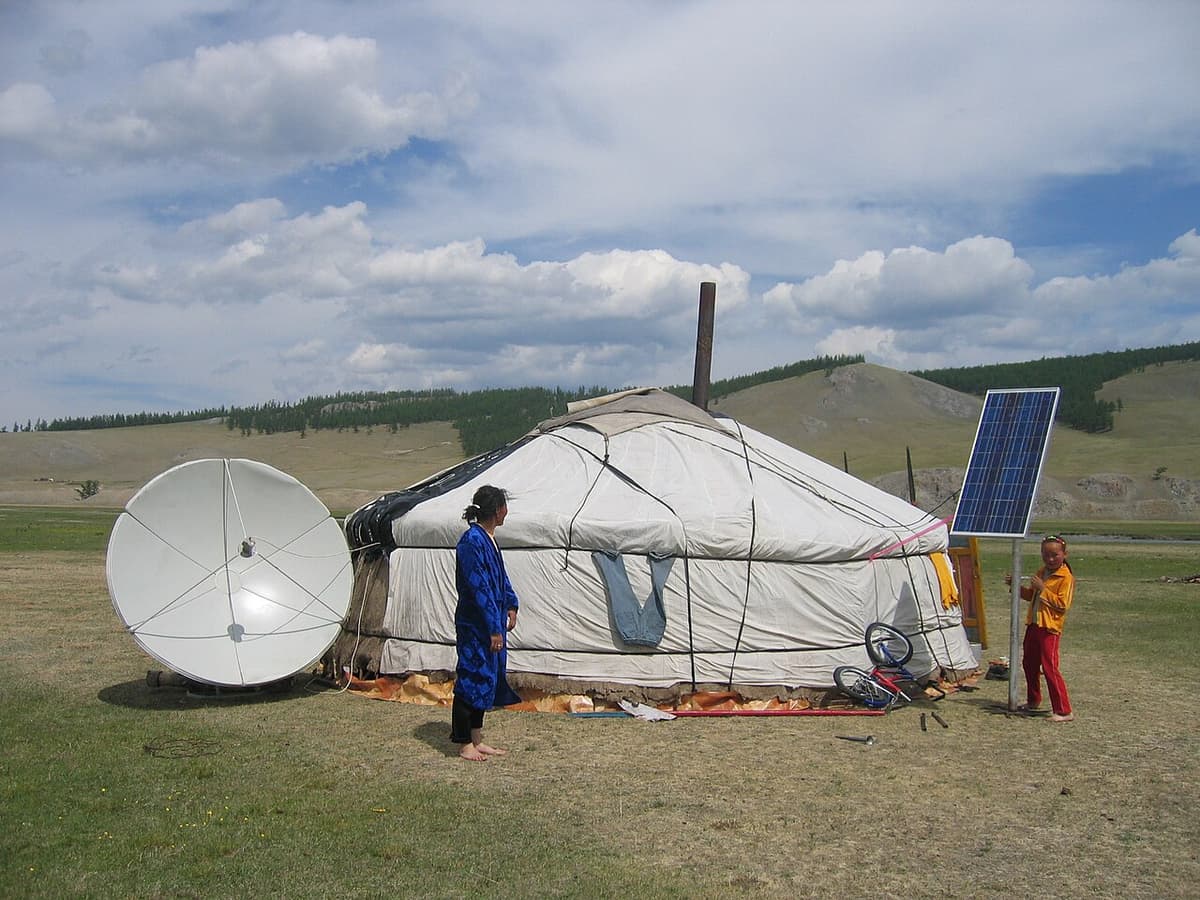
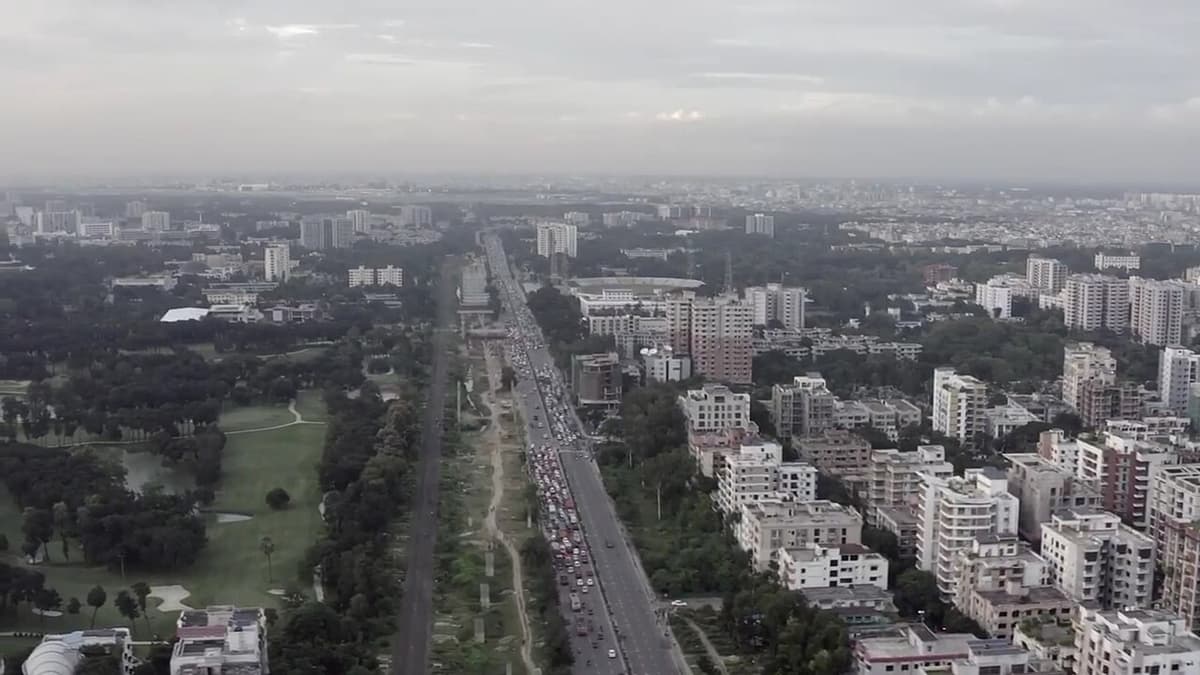
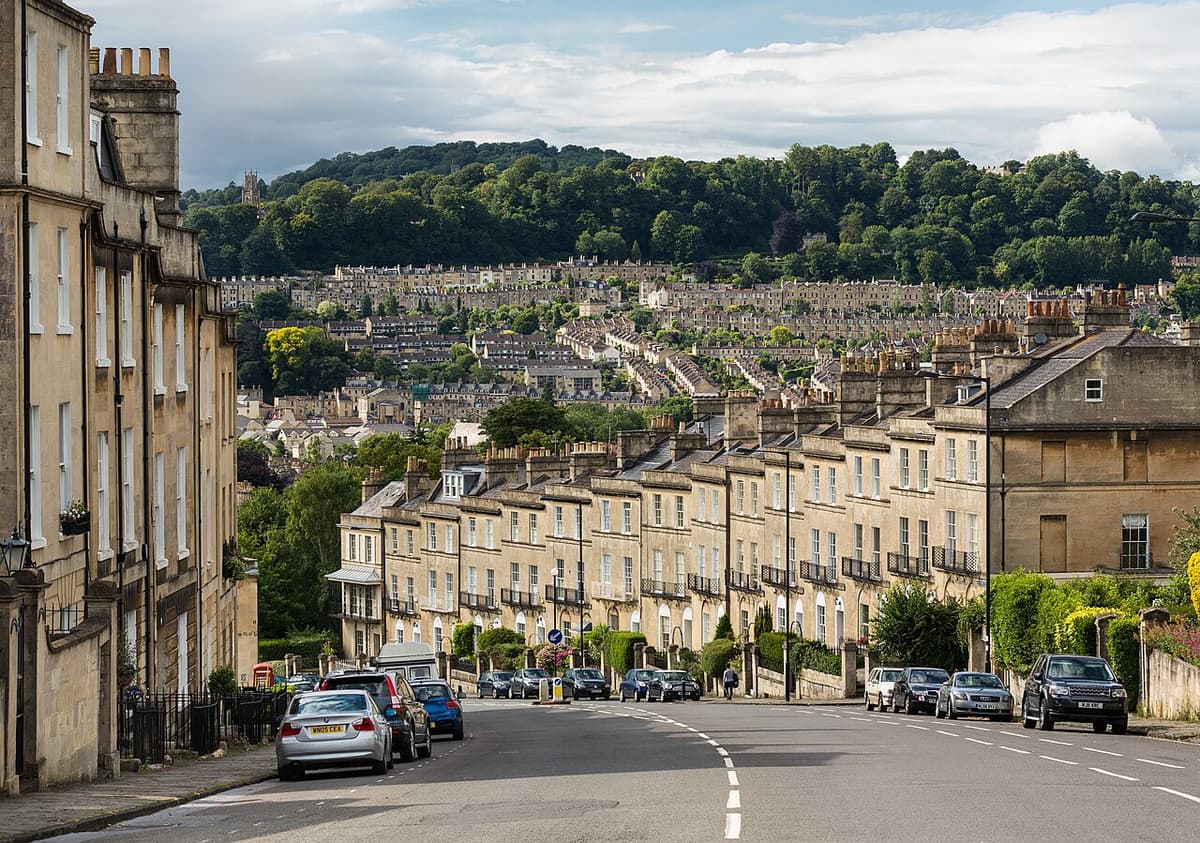
All four are settlements.
A place where people set up homes and live. Settlements range from a handful of people to cities where millions live side by side.
Some settlements stay in one spot for hundreds of years. Others move many times.
A settlement that does not stay in one place, such as the camps of nomadic people who move with their animals.
A settlement that stays in the same location over a long period, sometimes for centuries.
The Mongolian yurt belongs to a nomadic family who herd horses, goats and sheep and move often. A mobile home, such as a cabin built on the back of a truck, is another kind of temporary home. People may choose this way of living for freedom, for work, or to follow their animals.
The first permanent settlements appeared when people changed from hunting and gathering to farming, which is covered in the lesson on civilizations, kingdoms and empires. Since then, settlements have spread across the world, and the number of people living in cities is expected to keep rising during the twenty-first century. That makes it important to understand how settlements are organised, why they grow or shrink, and how they can work well for the people in them.
9 more sections in this topic
Pick this up in your Library: it holds the whole topic, notes, cheatsheet and questions.