
Historical treasures and the meaning of civilization
The pyramids at Giza, the ruins of Machu Picchu high in the Andes, the Colosseum in Rome and the stepped temples of Tikal are among the most famous historical sites in the world. Each was built by people who lived hundreds or thousands of years ago. Sites like these survive into the present, along with smaller artefacts such as tools, jewellery and writing. They show what past societies achieved and give us a window into how people lived, what they believed and who held power. Other famous examples include Petra in Jordan, Angkor Wat in Cambodia, Stonehenge in the UK, the Parthenon in Greece, the Great Wall of China and the Taj Mahal in India.
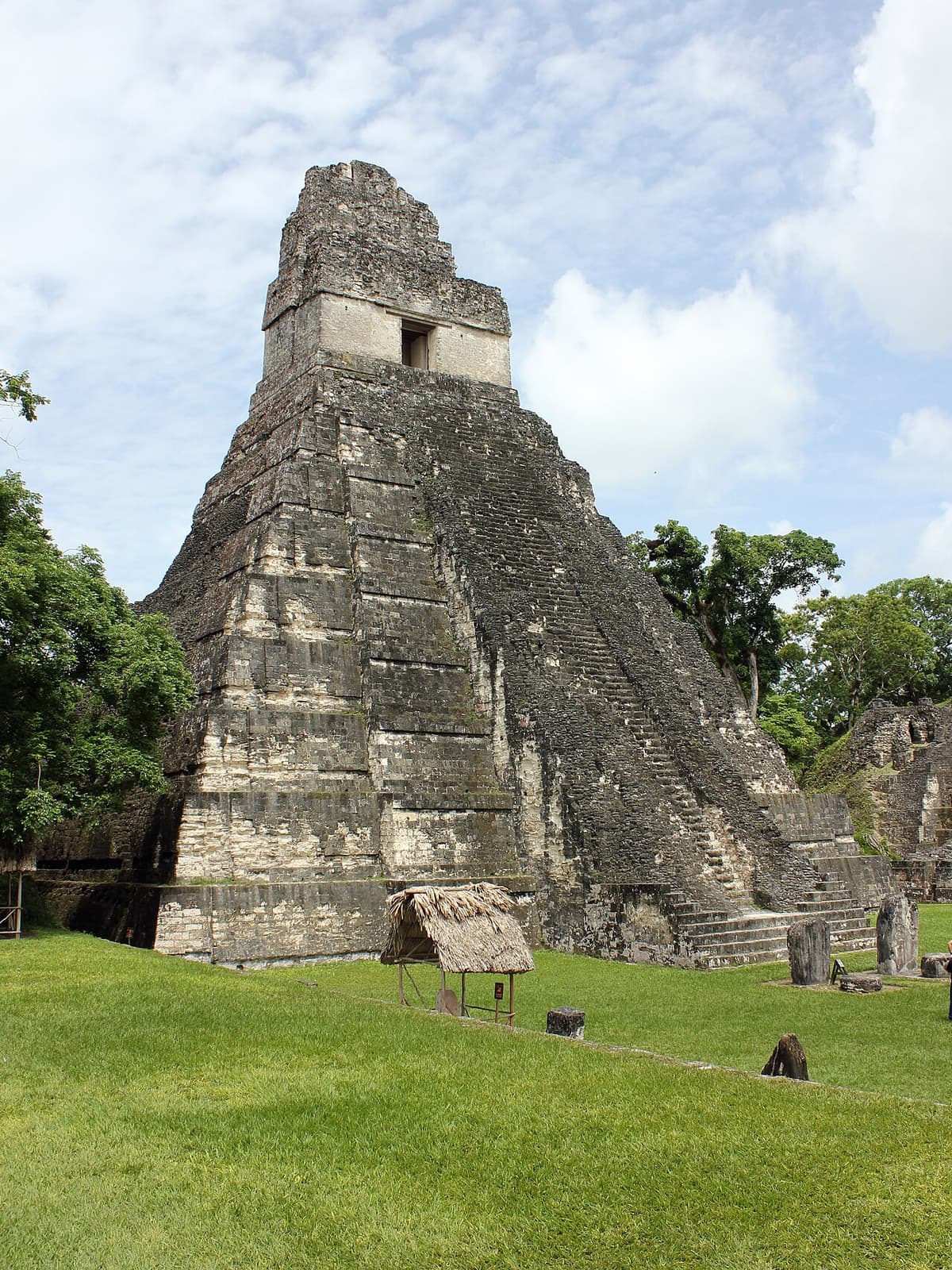
Historians gather evidence like this and interpret it to build up a picture of societies that no longer exist. Many of the most impressive remains were left by civilizations.
An advanced society at a particular period in history. Civilizations are usually centrally controlled and organised, with cities, many different jobs, clear power structures and their own culture and beliefs.
Civilizations grew out of earlier hunter-gatherer groups. The key change was better farming. Once farmers could produce more food than they needed, not everyone had to farm. Some people became builders or craft workers, and others took religious or government jobs. Societies became more organised and more centrally controlled, which made them more complex. Power structures and city states formed, often with impressive buildings and distinctive beliefs.
The word 'advanced' depends on who is doing the judging. Calling one society advanced can lead people to label others living at the same time as primitive or uncivilized.
The word barbarian has often been used for people outside a civilization, and it can give a misleading picture of them. When you meet a label like this, ask whose point of view it comes from.
River valley civilizations
Many of the earliest civilizations had one thing in common. They grew up beside rivers. A river gave settlers several natural advantages at once:
- Water for drinking, washing and crops.
- Fertile land, because soil near rivers is usually richer, and floods spread fresh fertile mud over the land beside the banks.
- Transport, since boats could move people and goods along the river.
With water and rich soil, farmers could grow large harvests. Extra food freed people for other work, and that is the change that turns a farming community into a civilization.
A map of the ancient world shows the pattern clearly.
- Egypt developed along and near the Nile from as early as 3000 BCE.
- Mesopotamia saw the Sumerians from about 4000 BCE, and their story belongs to the lesson on Mesopotamian civilization.
- The Indus Valley civilization on the Indian subcontinent is usually counted, with Egypt and Sumer, among the very earliest.
- In China, early civilizations arose along the Yellow and Yangtze rivers, which are still vital to China's economy today.
Not every civilization followed this pattern. The classical civilizations grew around the Mediterranean Sea. The Minoans lived on Crete from about 3000 BCE, and later the Greeks and then the Romans became dominant. In the Americas, the Maya built cities in hot, wet rainforest and the Inca built an empire in the Andes mountains.
Rivers made civilization easier, but they did not make it automatic. People still needed farming skills, organisation and leadership to turn those natural advantages into food, cities and power.
9 more sections in this topic
Pick this up in your Library: it holds the whole topic, notes, cheatsheet and questions.