
Cartography
Every time you follow a route on a phone or look up a country in an atlas, you are relying on someone else's careful work. That work has a name.
The study of maps and the work of making them. A person who makes maps is called a cartographer.
Maps come in far more forms than most people expect. Here are four very different maps:
- a fantasy map of the Shire, a place from the Lord of the Rings stories, drawn to look old and framed like a treasure map
- a mobile travel map of central London on a phone, which plans a route and gives the journey time
- Charles Booth's Poverty Map, a historic map of London where streets are shaded in different colours, with the River Thames winding through
- Stephen Walter's The Island (2008), a dense black-and-white hand-drawn map of London crammed with hand-written labels and symbols
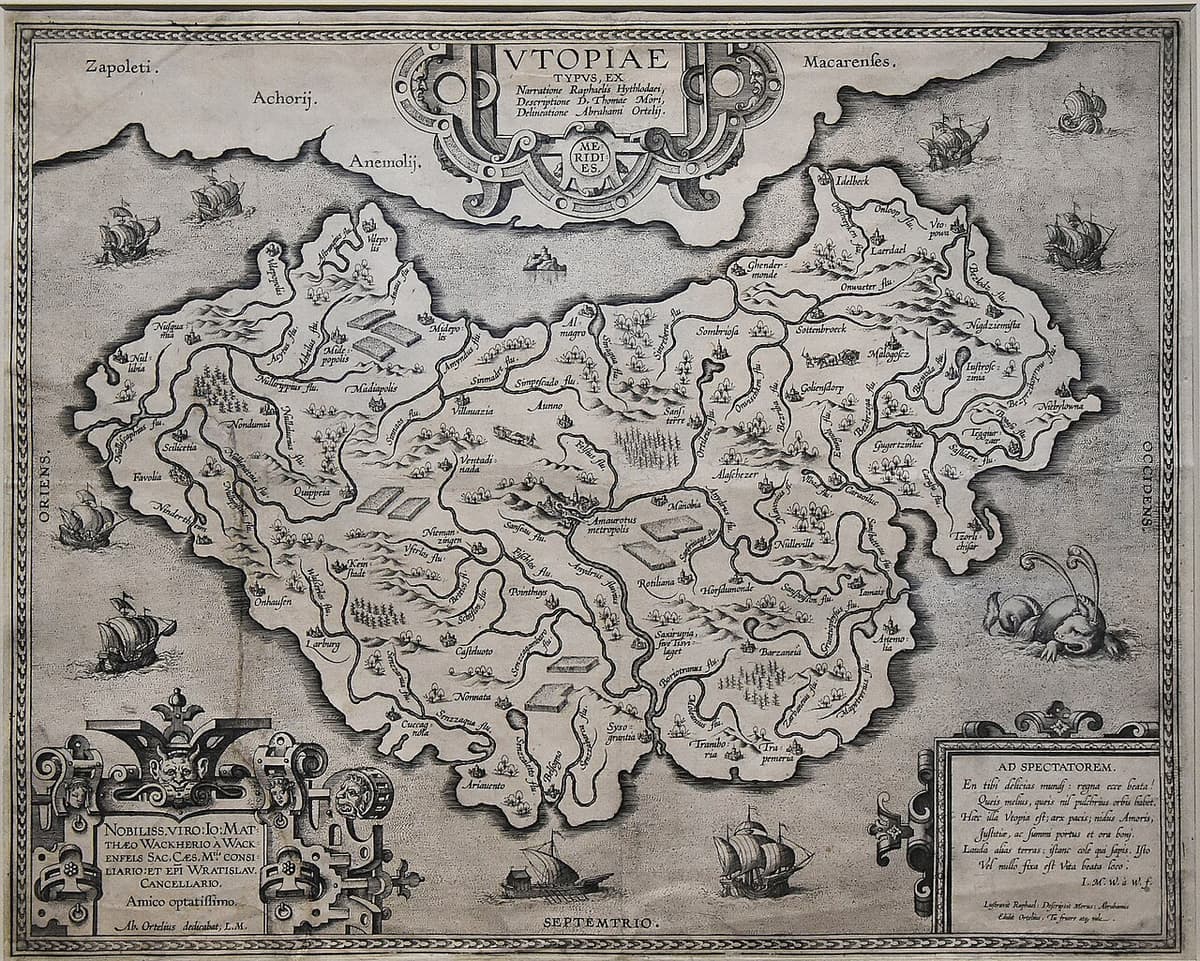
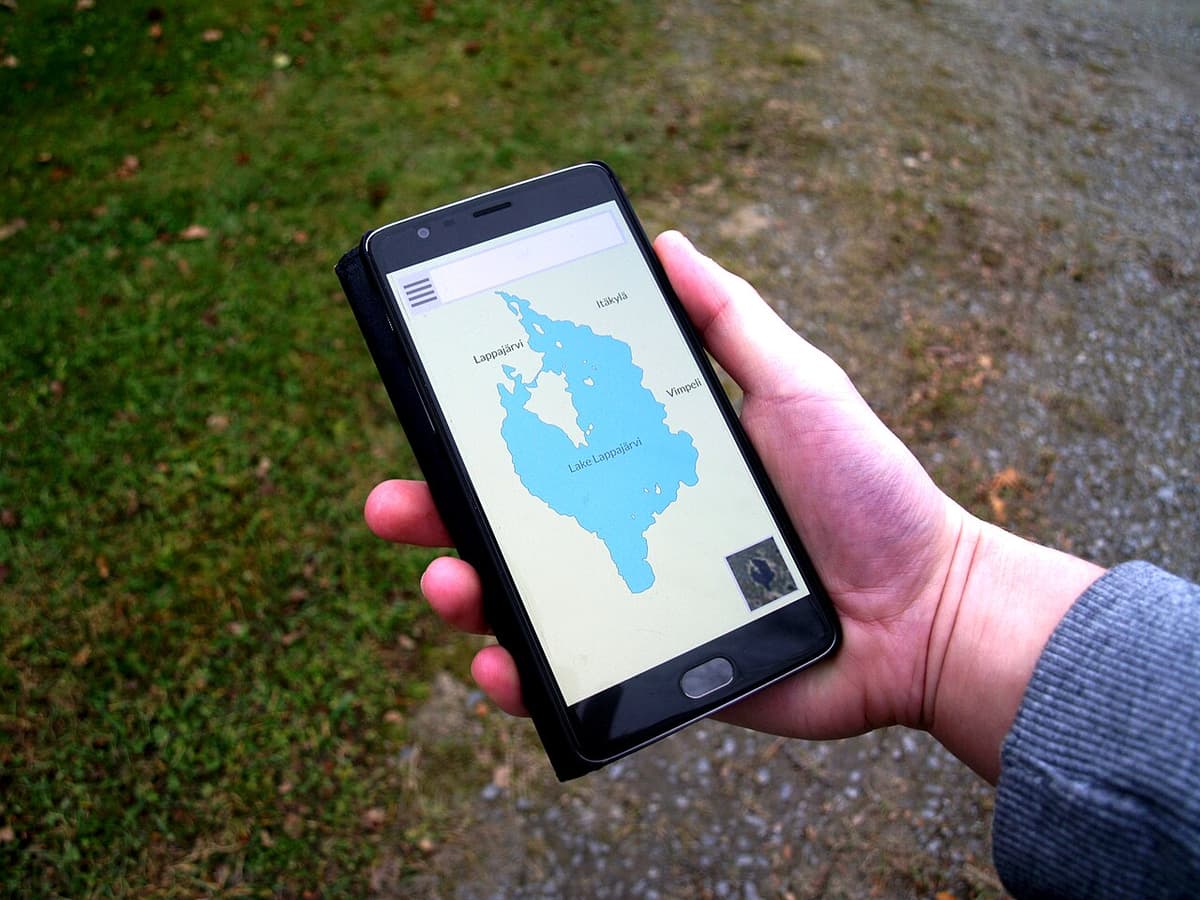
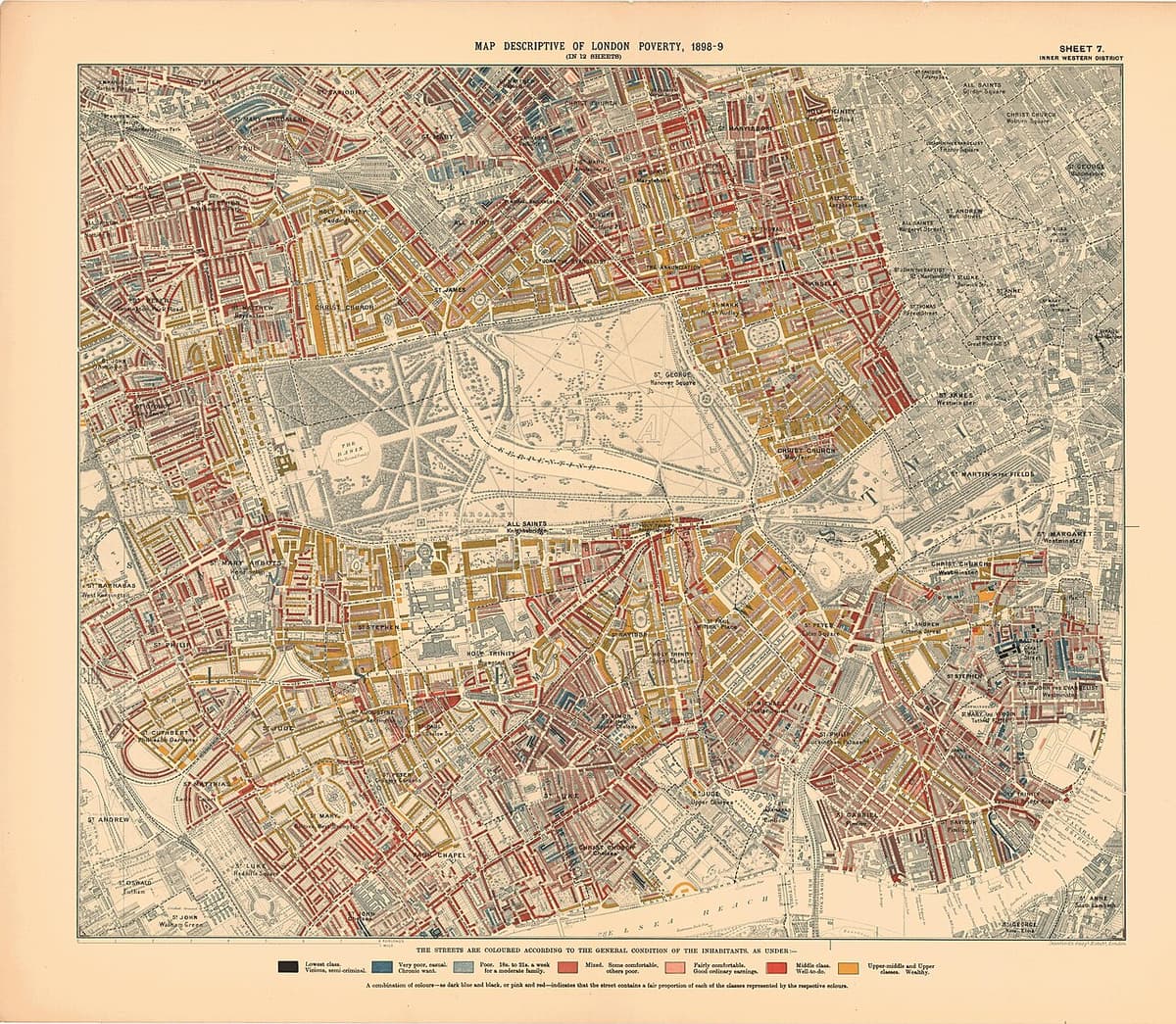
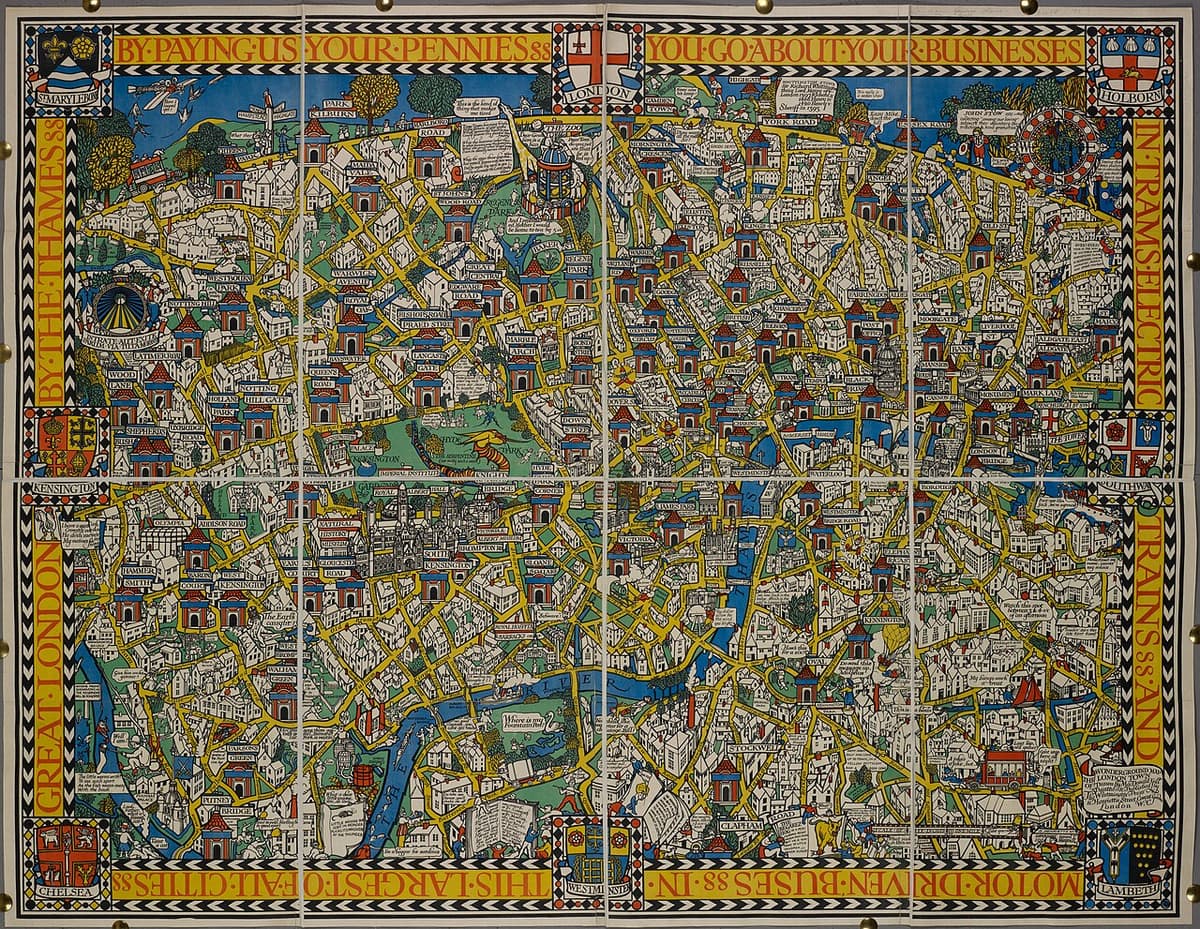
Only one of these, the phone map, is the kind most people use day to day. The Shire is an invented place, and The Island is closer to a work of art. All four still count as maps, because each one represents a place and arranges information about it so a reader can understand it. Fictional and artistic maps borrow the same tools as everyday maps, such as labels, symbols and physical features, which is why they are worth studying alongside real ones.
Because maps differ so much, a useful first habit is to ask what a map is for. The purpose of a map decides what it shows and what it leaves out.
9 more sections in this topic
Pick this up in your Library: it holds the whole topic, notes, cheatsheet and questions.