
Detente in the 1970s
In March 1983 the US president, Ronald Reagan, called the Soviet Union an "evil empire". Six years later, Berliners were standing on top of the Wall that had divided their city since 1961 and starting to tear it down. By the end of 1991 the Soviet Union itself had ceased to exist. A rivalry that had looked permanent, and that had lasted less than fifty years, ended in little more than a decade.
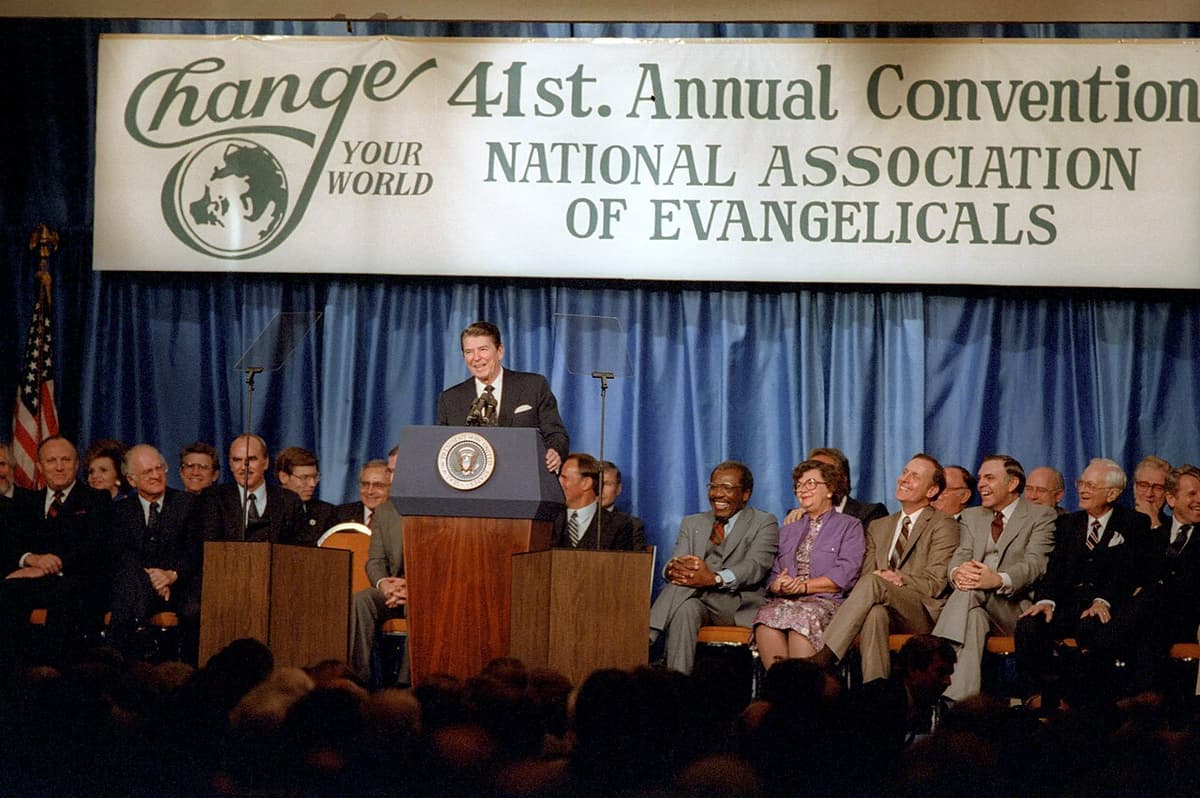
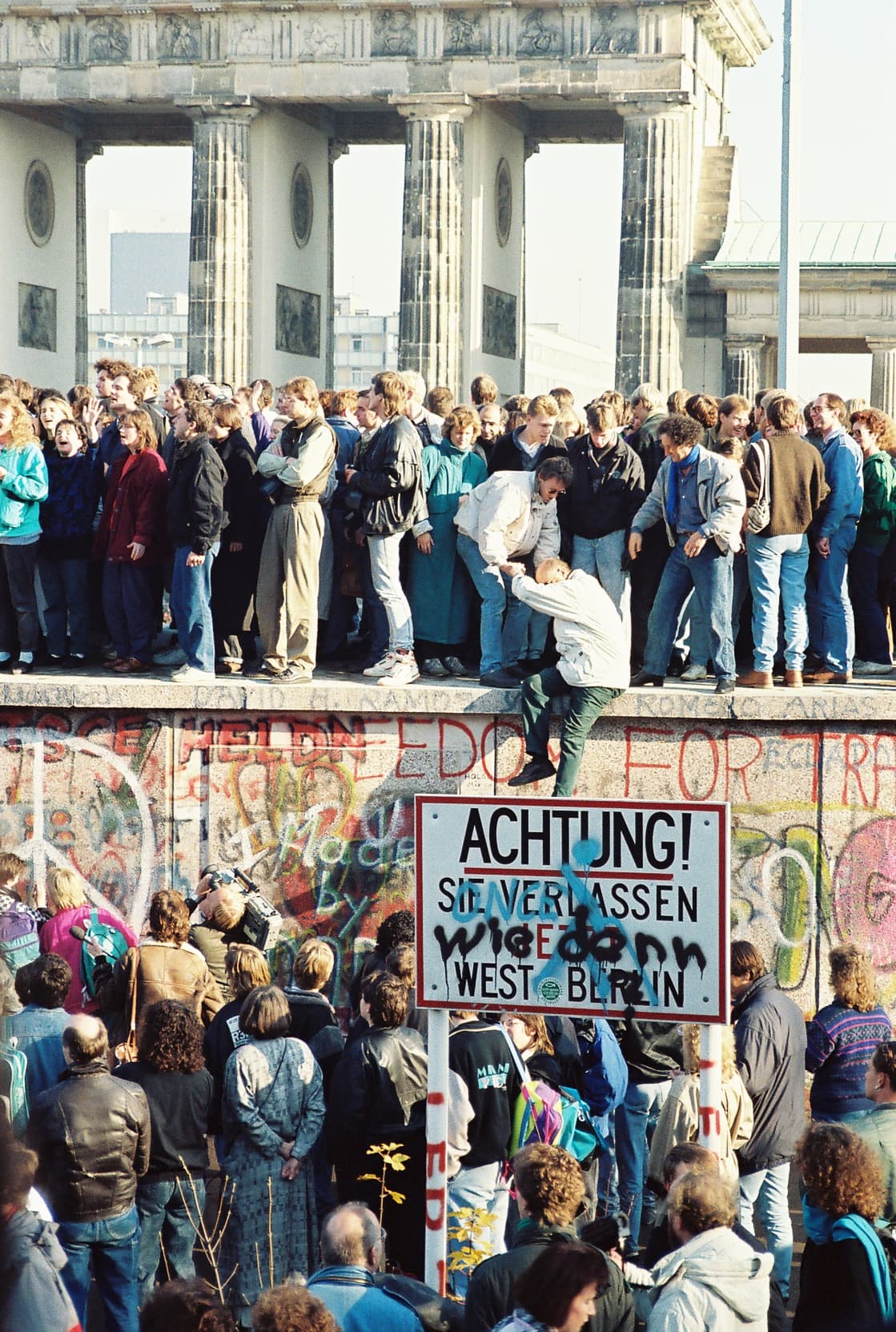
That sudden ending makes more sense against the calmer years that came before it. In the early 1970s the two superpowers tried to manage their rivalry rather than push it to the edge.
A relaxation of tension between the USA and the USSR, from the late 1960s to the late 1970s, that brought trade deals and further rounds of arms talks.
Detente reached its first major arms-control achievement at a summit in Moscow in May 1972, where Nixon and Brezhnev signed the first Strategic Arms Limitation agreements (SALT I). One part, the Anti-Ballistic Missile Treaty, restricted missiles designed to shoot down incoming warheads. Limiting defences sounds odd, but both sides saw the danger. A superpower that could shield itself from a counter-strike would no longer be held back by the threat of mutual destruction. Why that threat kept the peace is explored in the lesson on the Cuban Missile Crisis.
Three years later came the Helsinki Accords of 1975, signed by the USA, the USSR, Canada and every European country except Albania and Andorra. Each side gained something. The USA and its allies agreed to respect the borders of the Eastern Bloc and to stay out of its internal affairs. In return the Soviet Union promised to respect human rights.
Detente grew out of a longer habit of arms control. From the 1960s the superpowers accepted that a stable balance of weapons was safer than an open-ended race, and they wrote that idea into treaties.
| Treaty | Signed | What it did |
|---|---|---|
| Limited Test Ban Treaty | 1963 | The US, UK and USSR banned nuclear tests in the atmosphere, in outer space and under water |
| Nuclear Non-Proliferation Treaty | 1968 | Only the five states that had exploded a nuclear device before 1 January 1967 (US, USSR, Britain, France, China) could hold nuclear weapons |
| SALT I | 1972 | The ABM Treaty plus an interim cap on strategic offensive arms |
| SALT II | 1979 | Carter and Brezhnev agreed further limits on strategic offensive arms |
| START I | 1991 | Gorbachev and Bush agreed to reduce strategic offensive arms |
| START II | 1993 | Yeltsin, now president of Russia, and Bush agreed further reductions |
The change of name carries meaning. SALT is about limitation, setting ceilings on weapons. START is about reduction, actually cutting their number. The second kind of treaty only arrived once relations had thawed in the Gorbachev years.
9 more sections in this topic
Pick this up in your Library: it holds the whole topic, notes, cheatsheet and questions.