
The price of urban growth
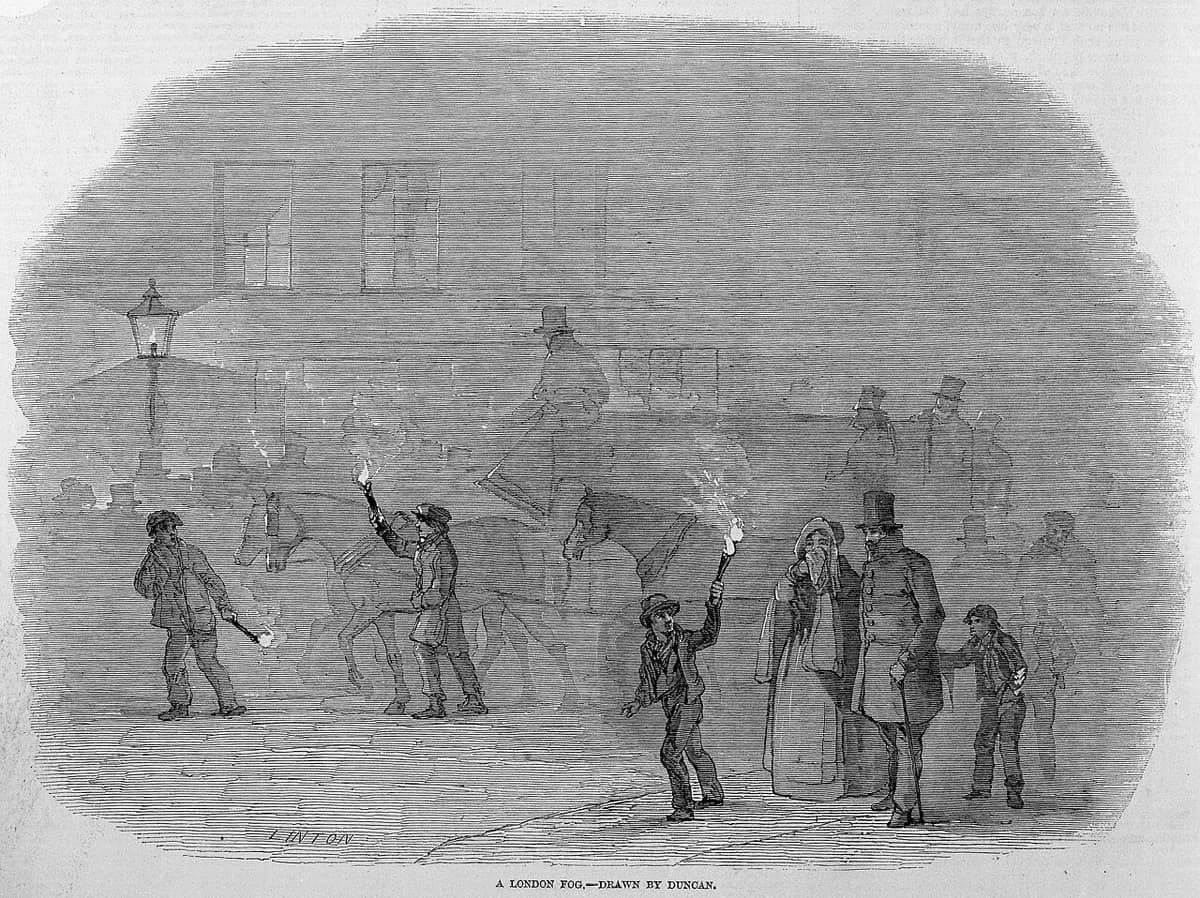
In 1847 an illustrated newspaper showed Londoners lighting their way along a street with flaming torches. Smoke from coal burned in factories and homes hung over the city so thickly that people struggled to breathe and could hardly make out the road.
Scenes like this were one cost of the rapid growth of cities. As towns filled with factories, housing and institutions, they needed ever more space, and natural features were levelled or altered to provide it. Cities produced huge amounts of refuse and waste that fouled both air and water, and constant, excessive noise became a normal part of urban life.
Cities reshaped the land they stood on, filled the air with smoke that proved hard to stop, and then tried to repair the harm through laws and planning.
9 more sections in this topic
Pick this up in your Library: it holds the whole topic, notes, cheatsheet and questions.