
The coast as a wave-energy system
Coasts are shaped by the constant arrival of waves from the sea. Every wave carries energy, and that energy decides what the wave does when it reaches land. A high-energy wave wears the coastline away and carries the material off. A low-energy wave drops material and builds the coast up.
The same rule applies to rivers: greater energy means greater erosion and greater transport. How fast a stretch of coast changes depends on two things working together:
- the energy of the waves arriving at it
- the type of rock those waves hit
Every coastal landform is the result of erosion, deposition, or both.
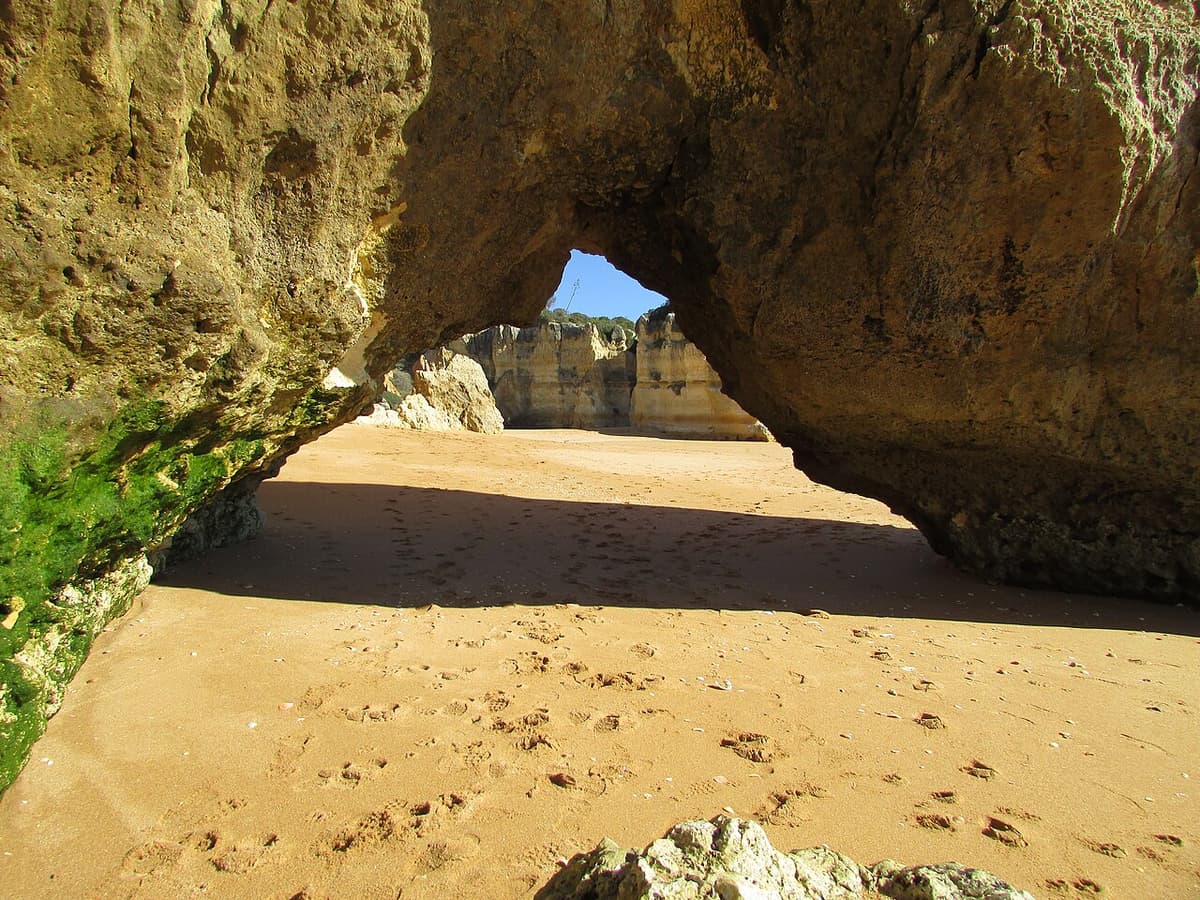
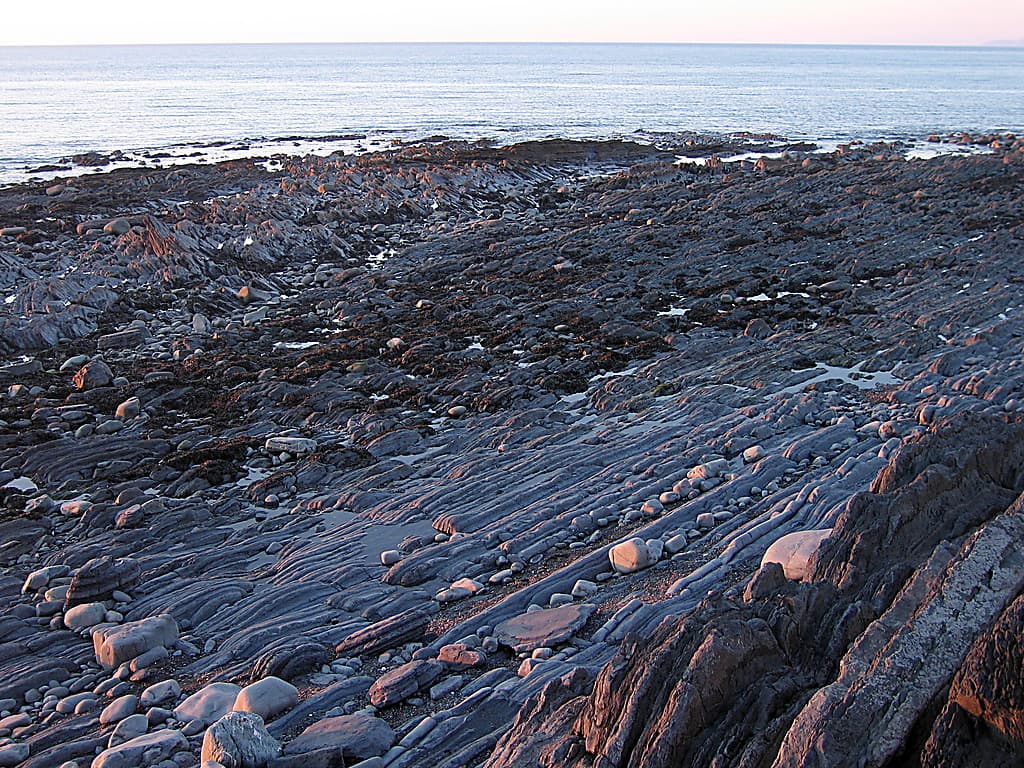
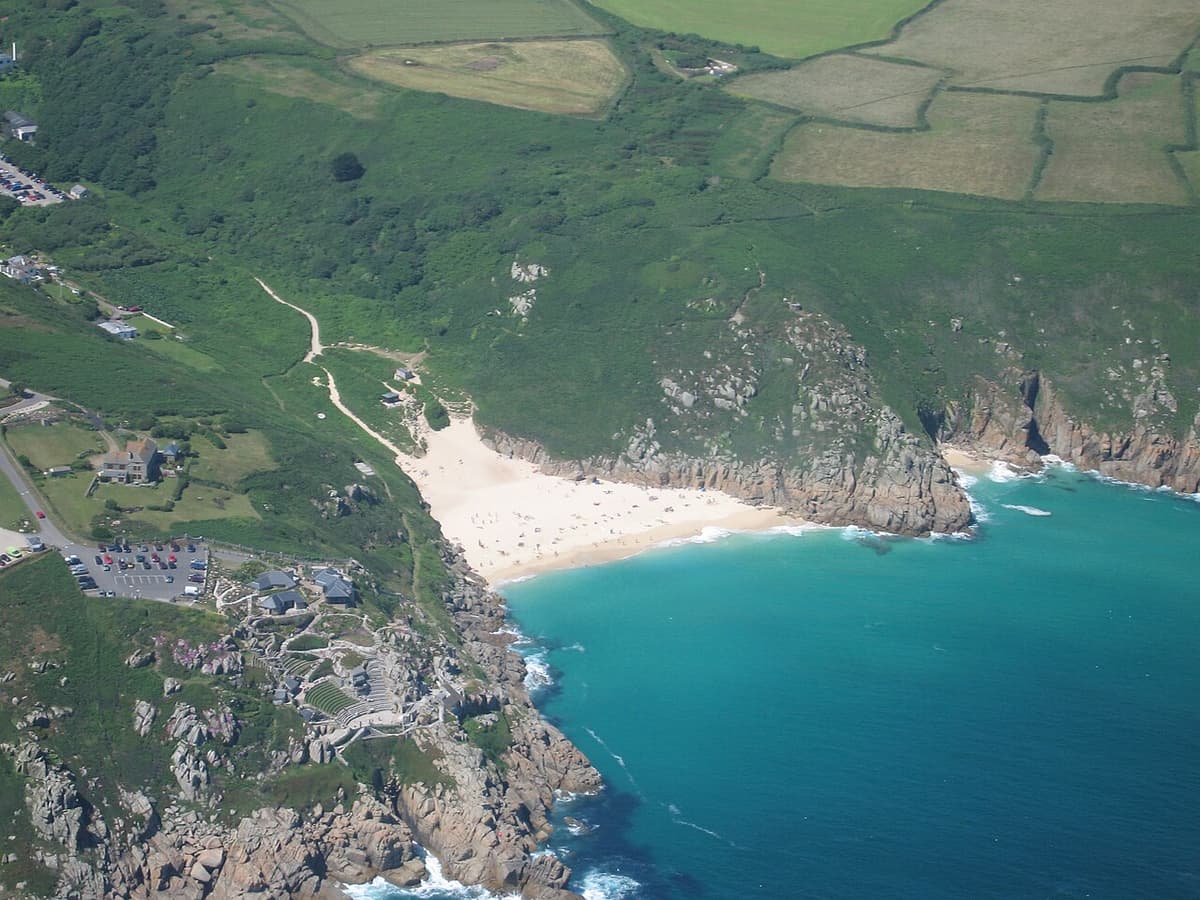
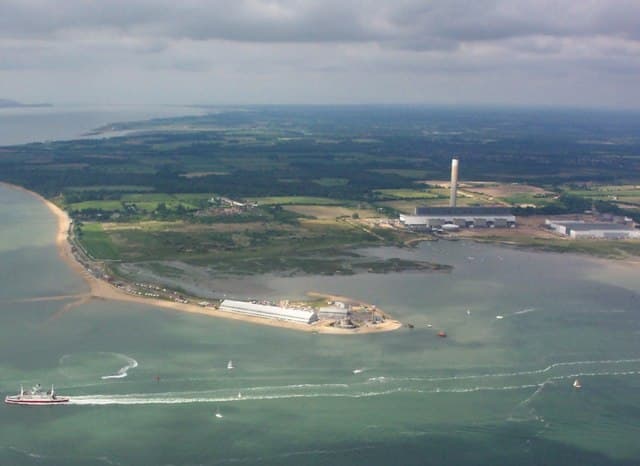
Study the four landforms above. Working alone first, decide whether each one was made mainly by the sea removing rock or by the sea leaving material behind. Note which processes you think were involved, then share your ideas with a partner.
The stacks and arch, the rocky shelf and the bay are all erosional landforms. The spit and lagoon are built by deposition and are covered in the lesson on coastal deposition.
8 more sections in this topic
Pick this up in your Library: it holds the whole topic, notes, cheatsheet and questions.